

The Nigerian Economic Summit Group (NESG) has pledged five concrete commitments aimed at ensuring economic reforms translate into tangible benefits for Nigerians.
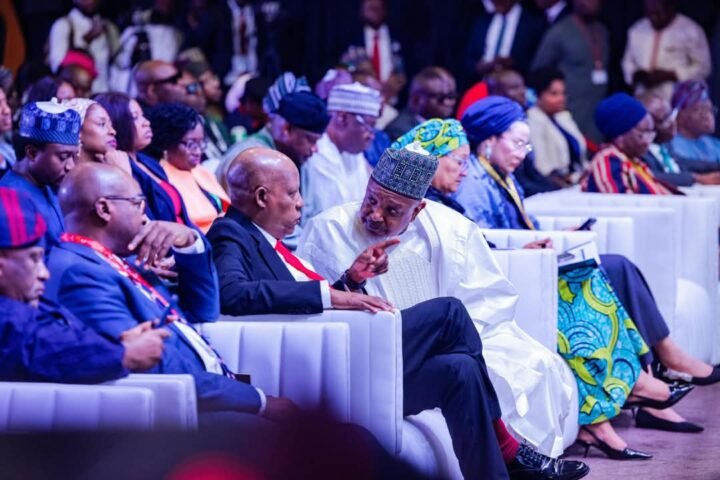
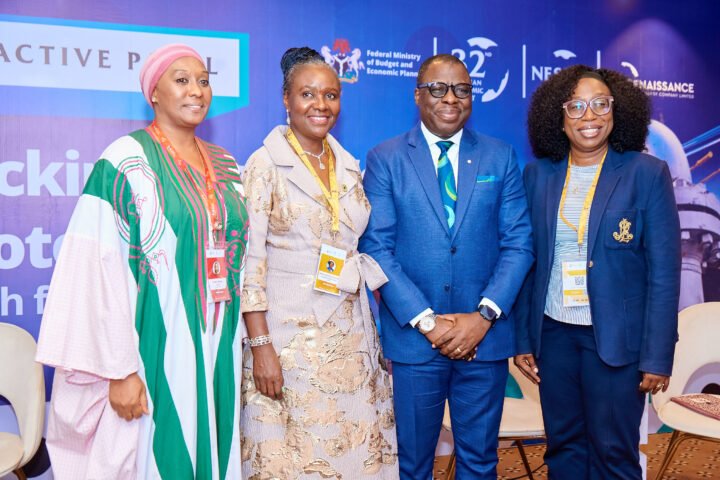
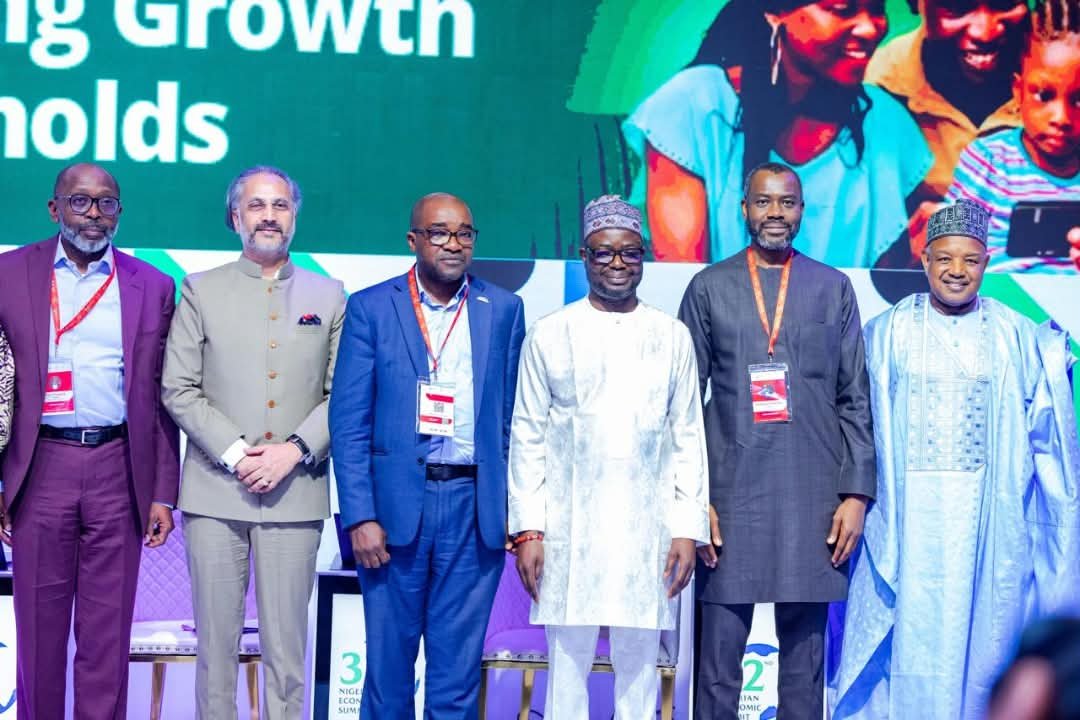
The Chairman-designate of NESG, Mr. Boyede Olusanya, announced the commitments at the closing of the 32nd Nigerian Economic Summit (NES #32) in Abuja.
He said discussions over two days showed that while reforms have been introduced, their impact on households and businesses has not been immediate, creating an urgent need for elite consensus and a social pact to cushion the effects while sustaining long-term gains.
He identified the five commitments the Group will pursue over the next year as: accountability, evidence-based policymaking, broader subnational engagement, improved bankability of projects, and greater economic inclusion.
Olusanya announced that NESG will publish an annual *NESG Accountability Index* to track commitments made at the Summit and assess progress on economic priorities.
“We will strengthen research to provide evidence for policy, expand engagements with state and local governments, and work with the private sector to improve bankability and turn dialogue into viable projects and investments,” he said.
“Without private sector investments, the Summit would be a mere talk show. We must convert policy discussions into viable projects and economic opportunities,” he added, urging stakeholders to return next year and hold the organisation accountable.
Speaking, Minister of Budget and Economic Planning, Senator Abubakar Bagudu, said practical solutions to Nigeria’s development challenges require private sector cooperation and involvement, stressing that effective collaboration, not rivalry, between the public and private sectors is needed.
“We are very proud and inspired by what you are doing. We don’t take it for granted,” Bagudu told the NESG, commending the Group for sustaining a platform for constructive government-private sector engagement.
He said President Bola Tinubu has shown willingness to listen to criticism, encourage open debate and incorporate private sector recommendations into reforms, citing a recent engagement with NESG members including Aliko Dangote.
Bagudu said achievements in the last three and half years would not have been possible without private sector support, noting that government is deploying public resources to de-risk private investments through institutions like the Bank of Industry, Bank of Agriculture and the National Agricultural Development Fund, as well as consumer credit and mortgage initiatives.
He also highlighted agriculture, where 42 million households are engaged but about 90 per cent are producing below optimal levels due to poor inputs and technology, and called on the private sector to help unlock productivity and jobs.
He further called for private sector involvement in skills development to address disruptions from technologies such as Artificial Intelligence.
Permanent Secretary of the Federal Ministry of Budget and Economic Planning, Dr. Deborah Odoh, conveyed appreciation to President Bola Tinubu, represented by Vice-President Kashim Shettima, for supporting sustained collaboration between government and the private sector.