

Nigeria Liquefied Natural Gas Managing Director and Chief Executive Officer, Adeleye Falade, has said Nigeria’s failure to convert its vast oil and gas endowments into financed, producing assets is at the heart of its stalled oil potential.
He also said the real bottleneck is not geology, but the inability to structure resources into projects that give lenders and investors certainty that terms will endure, buyers will take the output, and operators will deliver over a 20 to 30-year horizon.
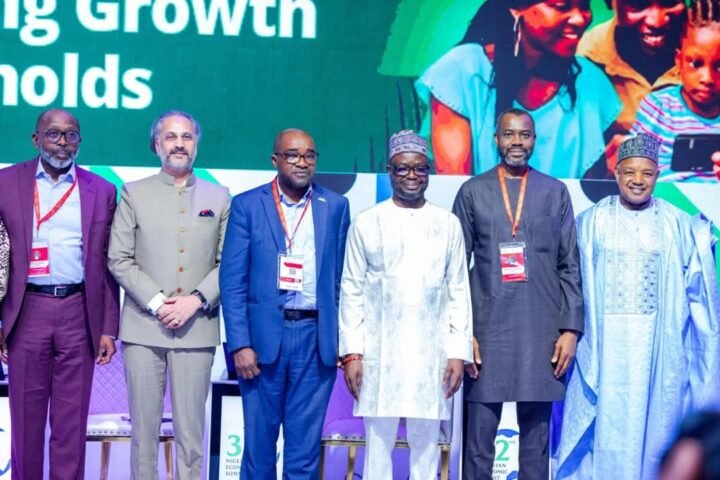
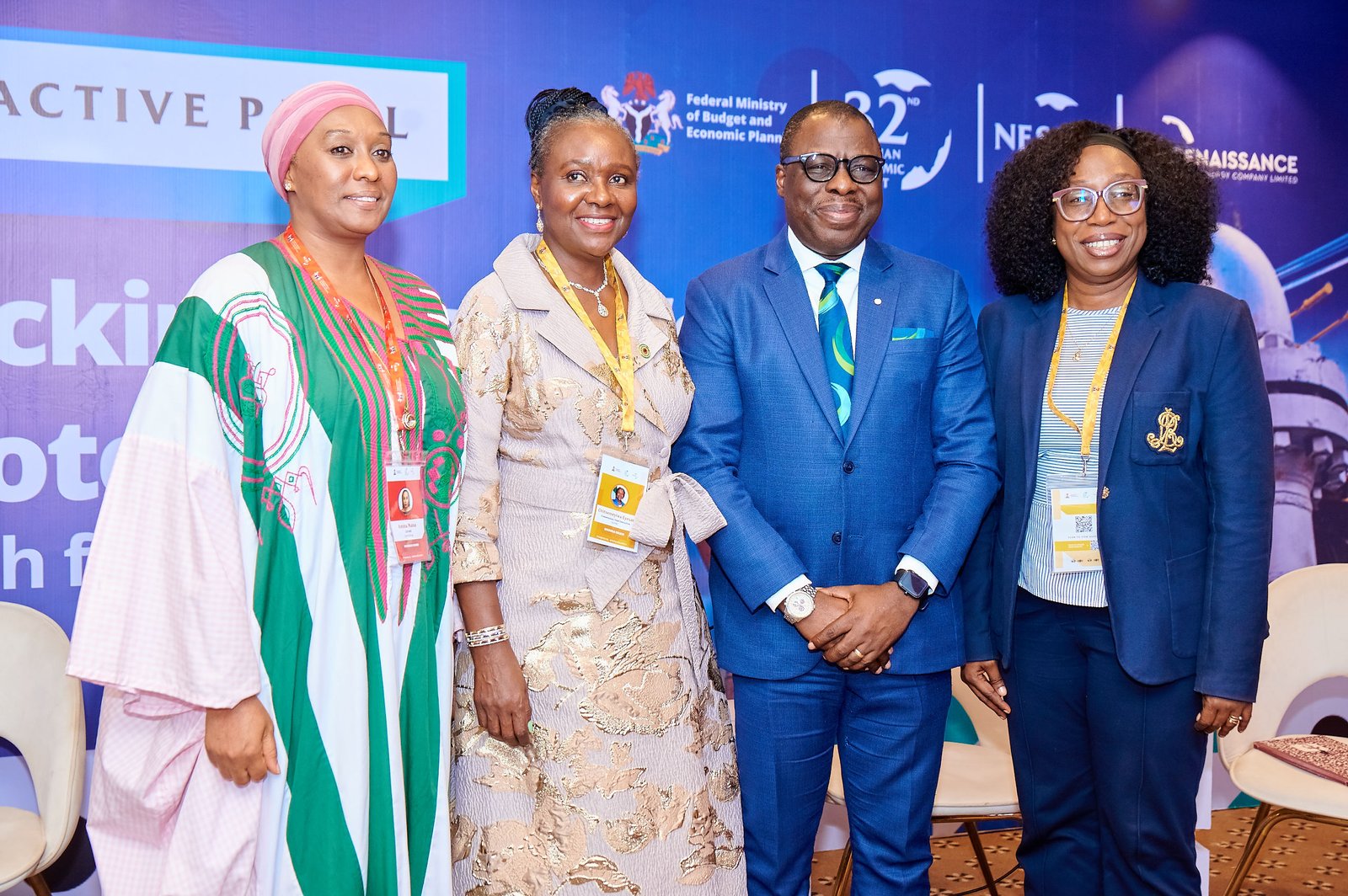
He spoke in Abuja at the 32nd Nigerian Economic Summit during the panel, “Unlocking Nigeria’s Oil Potential: The Push for More Oil.”
“Certainty itself is the product. Investments require substantial upfront capital and recovery periods of 20 to 30 years depend on confidence that the terms underpinning them will hold throughout their life,” Falade added.
According to him, lenders look beyond resource quality to three fundamentals: durability of the investment framework, predictability of earnings, and credibility of the parties to honour commitments. Without consistent implementation, investor confidence collapses and projects remain stranded.
To illustrate how the issue can be fixed, Falade cited NLNG’s Train 7. Despite being financed in 2020 at the height of COVID-19, the project secured US$3 billion from 31 local and international institutions, backed by internally generated cash flows.
The difference, he said, was track record and structure. NLNG had built six trains and repaid all loans tied to them, allowing lenders to evaluate performance, not promises.
“Track record compounds,” Falade noted. Each successful delivery improved terms for the next financing.
He said every capital-intensive project must answer three bankability questions: “Who buys the product? Who carries the risk? Who stands behind the project?”
Falade disclosed that NLNG’s plant utilisation has risen to 81 per cent year-to-date from about 60 per cent for nearly two years due to feedgas constraints — showing that when gas is available, the plant delivers, reinforcing lender confidence.
He cautioned that solving the financing issue alone is insufficient if projects do not deliberately build local capability for future developments.
“Capability has to be deliberately built into what you do,” he said, adding that local content should not be measured by spend alone.
He mentioned NLNG’s six vessels, where Nigerian manufacturers supplied furniture and cables and subsequently retained international clients, as evidence that one well-structured project can open global markets for local suppliers.
He said the next challenge is to deploy those capabilities on subsequent projects.
Falade advised policymakers to shift focus from resource counting to creating an enabling environment that ensures investment certainty, bankable project structures, and deliberate development of Nigerian businesses capable of competing globally.