
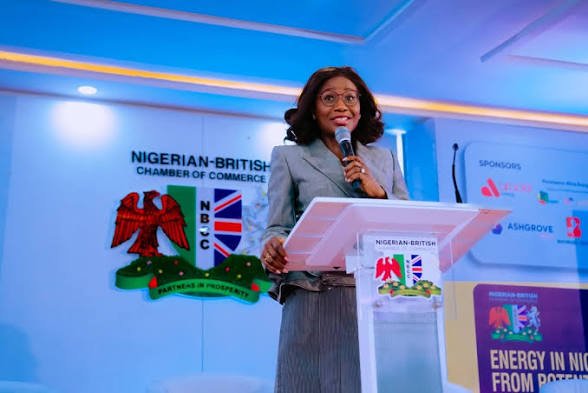

Nigeria’s over 200 trillion cubic feet (Tcf) of proven gas reserves will only drive economic growth if converted into sustained investment, the Special Adviser to the President on Energy (Oil and Gas), Mrs Olu Arowolo Verheijen, has said.
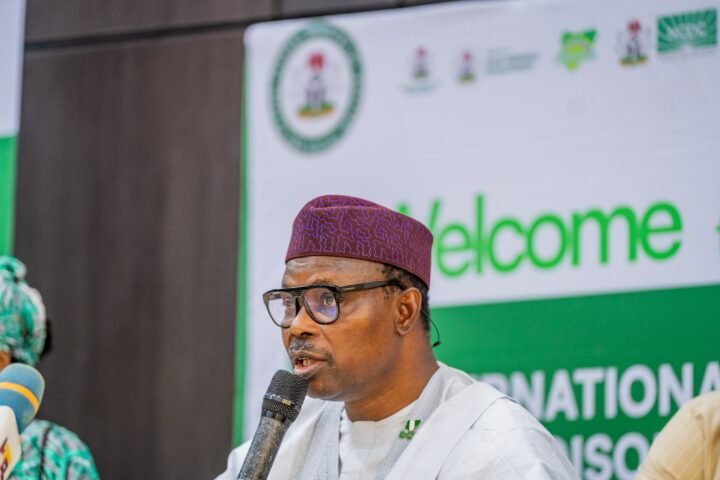
She said this on Wednesday in her keynote address at the Africa Interviews Sustainability Forum 2026 in Lagos, themed “Energy Security and Africa’s Energy Transition: Defining the Role of Gas.”
She warned that resource abundance does not automatically translate to prosperity.
“A country can sit on enormous natural wealth and fail to turn it into energy to power industry, industries that create jobs and jobs that help us grow incomes,” she said.
“What turns resources into prosperity is investment, consistent investment that responds to predictable incentives and a stable environment.”
President Bola Ahmed Tinubu, she said, had on assumption of office in 2023 directed his team to identify why investment had not matched Nigeria’s potential and fix it, with gas as a priority because the country is more gas-rich than oil-rich.
According to her, focus has delivered results, with four gas Final Investment Decisions (FIDs) in less than two years, including the Ima project in September 2026, and daily gas production rising from about 7 billion cubic feet (bcf) to 8 bcf, led increasingly by indigenous producers.
She tied the growth to reforms to remove investment barriers, noting measures to promote cleaner cooking through import duty waivers and zero-rated VAT on Liquefied Petroleum Gas (LPG) and gas cylinders.
“A gas-rich nation cannot be comfortable while families remain stuck in the age of firewood,” she said.
She disclosed that over N100 billion in longstanding gas debts has been settled since January 2026 under the Presidential Power Sector Financial Reforms Programme to strengthen the gas-to-power value chain.
Verheijen said Africa’s energy transition must prioritise energy security and transformation of gas into megawatts, fertilizer, petrochemicals, manufacturing and jobs, while retaining agency over its decarbonisation pace.
She added: “The energy transition must also mean agency. Africa’s right to decide for itself how fast it decarbonizes, rather than having those choices made for us by others,” she said, stressing the need to measure and mitigate methane emissions and ensure host communities benefit.
“Nigeria’s gas future is promising. History will not ask what we possessed, it will ask what we did with it and whether we turned it into lasting prosperity for our people.”