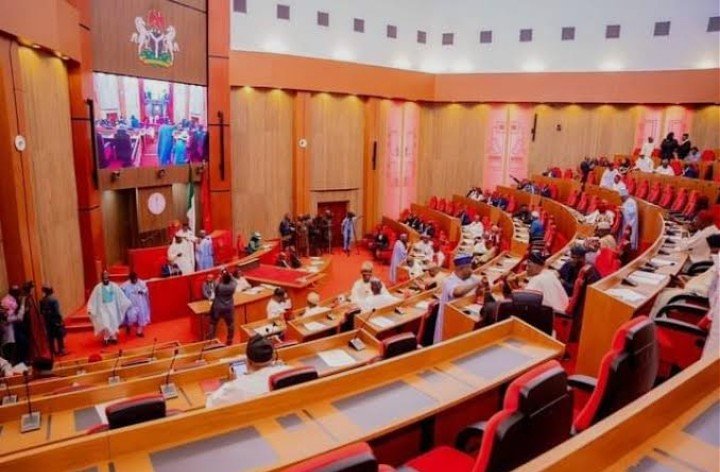

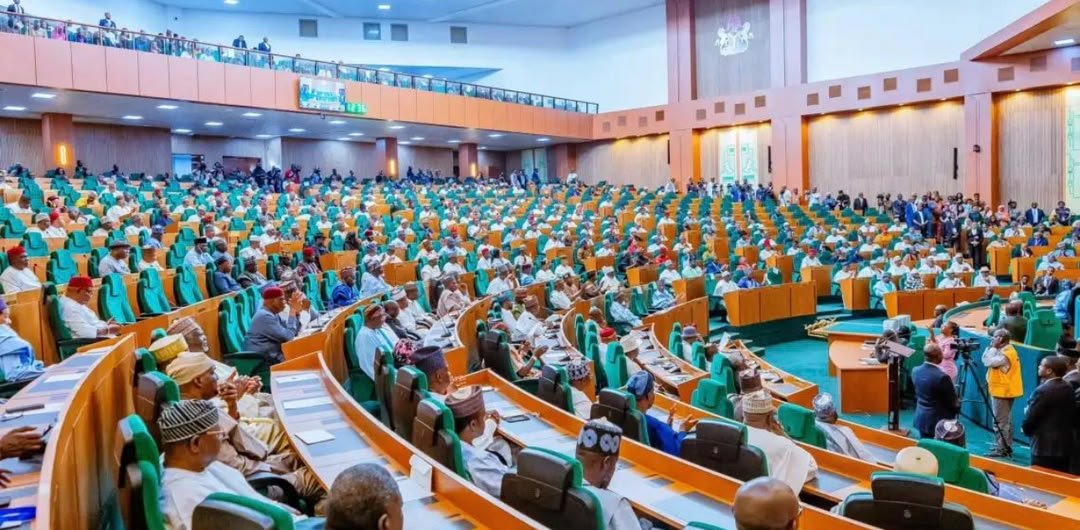

The House of Representatives has given the CEOs of MTN Nigeria, Airtel Nigeria, Globacom, Mafab and other telecom operators seven days to appear over poor network services.
The ad hoc committee investigating poor network services fixed October 28, 2026 for the appearance.
It warned that any CEO who fails to appear risks arrest.
The directive was issued at a public hearing in Abuja on Wednesday following the adoption of two motions sponsored by Reps. Sunday Umeha and Afam Ogene.
The committee expressed displeasure over the failure of invited operators, including MTN and Mafab Communications, to honour previous invitations.
It directed the Nigerian Communications Commission (NCC) to ensure that all affected operators appear at 2 p.m. on October 28 at Hearing Room 447 of the New Building of the National Assembly Complex, Abuja.
It also directed the companies to submit relevant documents on or before the scheduled hearing and explain the factors responsible for the persistent decline in network quality.
Chairman of the committee, Rep. Olumide Osoba (APC, Ogun), said telecommunications services had become indispensable to Nigeria’s economy, extending beyond voice calls and internet access to financial transactions, business operations and other essential activities.
He identified Point of Sale (POS) transactions as one of the commercial activities increasingly dependent on reliable telecommunications networks, noting that persistent service disruptions could affect businesses and the wider economy.
Osoba said the House constituted the ad hoc committee to investigate recurring complaints from subscribers and establish the factors responsible for the poor quality of services provided by telecommunications operators.
He expressed concern that some invited chief executives had failed to engage directly with the committee, instead offering various excuses or sending lower-ranking officials to represent them.
The chairman maintained that the committee expected the chief executives to appear personally and explain their companies’ operational challenges and the measures being taken to improve service delivery.
Also speaking, Rep. Ibe Osonwa criticised the operators for what he described as disregard for the House, despite the substantial revenue they generate from their operations in Nigeria.
Osonwa argued that companies benefiting from the Nigerian market should be prepared to account for the quality of services they provide, particularly when their operations affect millions of subscribers and businesses.
He warned that the House would not overlook attempts to frustrate its investigation into the persistent network failures.
In his ruling, Osoba directed the NCC to ensure that the affected operators complied with the committee’s invitation and appeared on the scheduled date with the required documents.
The investigation comes amid widespread reliance on telecommunications infrastructure for digital payments, banking, education, commerce and access to information. Poor network quality can disrupt electronic transactions, impede business operations and limit subscribers’ ability to access essential digital services.
For small businesses that depend on mobile connectivity and POS terminals, network interruptions can result in failed transactions, lost sales and delays in receiving payments. Individuals also face difficulties completing calls and accessing internet-based services when connectivity deteriorates.
The committee’s investigation is expected to establish the circumstances behind the persistent service failures and identify measures needed from operators and regulators to improve network reliability.