

Nigeria’s gas regulation must deliver energy security and economic growth, not just compliance, the Chief Executive of the Nigerian Midstream and Downstream Petroleum Regulatory Authority, Engr Rabiu Abdullahi Umar, has said
He also said the Authority will therefore engage operators early so they understand the rules and raise concerns on time, while enforcing the standards that protect investment and guarantee reliable supply.
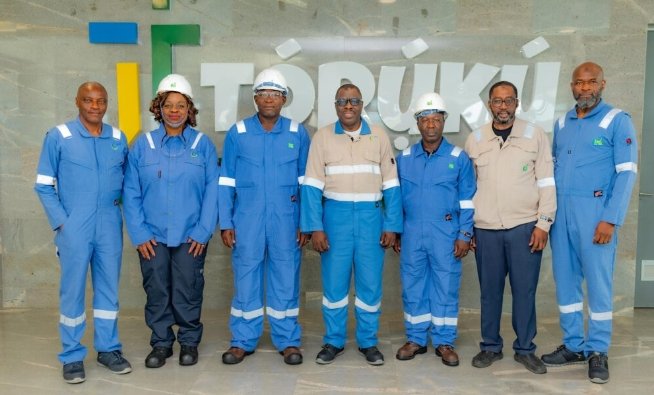
He spoke during his first visit to NLNG’s plant on Bonny Island, Rivers State, on Friday, where he was received by the company’s Managing Director and Chief Executive Officer, Adeleye Falade.
Both sides discussed regulatory requirements, safe and reliable operations, and the investments needed to sustain NLNG’s contributions to Nigeria’s domestic gas market and international liquefied natural gas supply, a statement said.
The statement quoted the NMDPRA boss to have lauded NLNG for its regulatory compliance and significant contributions to Nigeria’s economy, describing the company as a responsible corporate citizen and a source of national pride.
He said the Authority’s mandate is to ensure that operations are conducted consistently and transparently in line with required standards. He said the Authority remains firm in regulation, fast in decision-making and fair in its conduct.
He expressed the Authority’s readiness to collaborate with NLNG to support its efforts to expand production capacity and increase gas supply to the domestic market, including by providing an enabling regulatory environment for the development of additional production trains.
Welcoming the delegation, Falade said the visit offered an opportunity to build on previous engagements and provide a first-hand understanding of the scale, complexity and demands of managing NLNG’s infrastructure, sustaining production, meeting regulatory obligations and delivering reliably to customers.
He said NLNG has played a defining role in Nigeria’s gas commercialisation since its first LNG cargo departed Bonny Island in 1999. He said the company has helped establish Nigeria as a reliable supplier in the international LNG market while generating significant revenue for the country, with six operational trains and an installed production capacity of 22 million tonnes per annum.
Falade said sustaining that contribution depends on an integrated value chain supported by feedgas security, asset integrity, process safety and shipping reliability. He said these are essential to meeting long-term commercial commitments in an increasingly competitive global energy market.
Speaking on growth plans, Falade said Train 7 is 95 percent complete and will increase NLNG’s installed production capacity to approximately 30 million tonnes per annum.
He described the project as a strategic investment in Nigeria’s energy future, strengthening the company’s ability to meet global demand and expand the country’s participation in international gas trade.
He said the investment reflects NLNG’s confidence in Nigeria’s gas potential, while acknowledging that feedgas constraints and infrastructure challenges require sustained attention, coordinated action and investment across the gas value chain.
He reiterated that NLNG dedicates 100 percent of its liquefied petroleum gas production to the Nigerian market. He said the commitment supports access to cleaner household cooking gas, reduces dependence on traditional cooking fuels such as firewood, and guarantees sufficient availability of LPG for Nigerian consumers.
He said NLNG’s role extends beyond supplying international markets, with the company also focused on ensuring that Nigeria’s natural gas resources deliver tangible benefits to its people and economy.
He also said a productive relationship with NMDPRA is important to sustaining these investments and commitments. He acknowledged the Authority’s responsibility to uphold regulatory standards and safeguard operational integrity across the midstream and downstream sectors.
He said an effective regulatory environment is essential not only to sustaining existing operations but also to unlocking the investments and partnerships required to realise Nigeria’s gas ambitions.
He expressed his company’s commitment to constructive engagement and collaboration with the Authority in advancing the development of the country’s gas sector.
Falade also highlighted NLNG’s Decarbonisation Roadmap and longer-term development aspirations, alongside its priorities of sustaining reliable production, supporting domestic energy security and managing its environmental responsibilities.
He said the competence and commitment of the teams responsible for the facilities are central to maintaining operational performance and the confidence of customers and stakeholders.