

The National Agency for Food and Drug Administration and Control (NAFDAC) recorded 5,542 enforcement activities, 213 raids, 821 product seizures, closure of 179 premises, 52 arrests and 221 sanctions between January and August 2026.
The agency also destroyed unwholesome products valued at approximately N22.73 billion within the same period, as part of intensified efforts to rid the country of fake, substandard and unsafe regulated products.
It announced these gains in a statement, highlighting major regulatory milestones recorded in 2026, including digital innovation, local pharmaceutical manufacturing, enforcement operations and growing international recognition.
The achievements were presented at the International Pharmaceutical Regulators Programme (IPRP) Management Committee Meeting held in Prague, Czech Republic, from November 18 to 19, 2026, where its regulatory performance received commendation.
According to the agency, a major highlight of the agency’s progress, according to the statement, is the retention of its World Health Organisation (WHO) Maturity Level 3 status and ongoing efforts to attain Maturity Level 4, the highest level under the WHO Global Benchmarking Tool.
NAFDAC said it had introduced several digital initiatives, including the Integrated Regulatory Information Management System (IRIMS), Performance Management System (i-PMS), GMP Inspection (GMPi), Application and AI-assisted Technical Screening Tools (TST).
The agency further highlighted the revision of its Med Safety App to improve the reporting of substandard and falsified medical products, as well as adverse drug reactions across the country.
Commenting on local pharmaceutical manufacturing, NAFDAC said it had recorded significant progress through its 5+5 Policy, with more than 70 per cent of finished pharmaceutical products under the policy and Ceiling 36 products now being manufactured locally.
It explained that the initiative was designed to reduce Nigeria’s dependence on imported medicines, strengthen domestic manufacturing capacity and improve national medicine security.
It further highlighted its growing influence in Africa, noting that it had emerged as a reference National Regulatory Authority, providing technical capacity-building and institutional benchmarking opportunities for regulatory authorities from Uganda, The Gambia, Mozambique and Côte d’Ivoire.
It also disclosed that Nigeria ratified the African Medicines Agency (AMA) Treaty and deposited its instruments of ratification on October 25, 2026, describing the development as an important step towards strengthening continental regulatory cooperation.
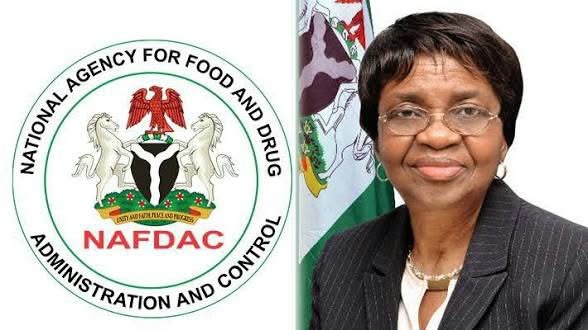
The agency attributed the achievements to the strategic leadership of its Director-General, Prof. Mojisola Christianah Adeyeye, whose administration has prioritised institutional reforms, science-based regulation, digital transformation and international collaboration.
It reaffirmed its commitment to strengthening regulatory systems, protecting public health and positioning Nigeria as a leading regulatory authority on the African continent.