

Nigeria’s economy is showing early signs of stability as reforms begin to take hold, the Federal Government has said.
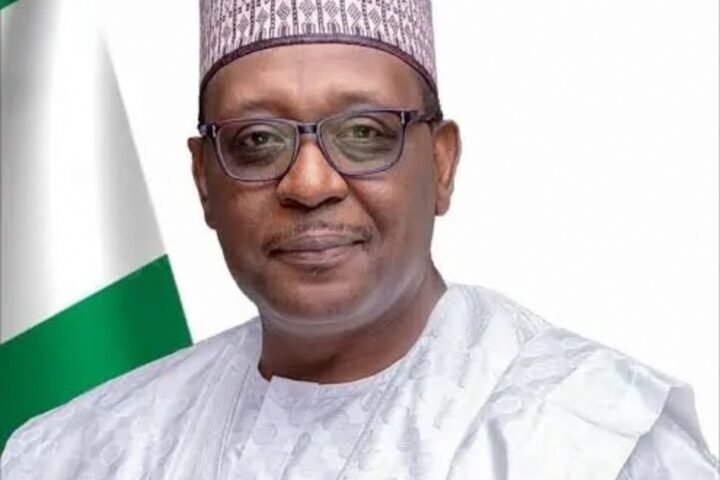
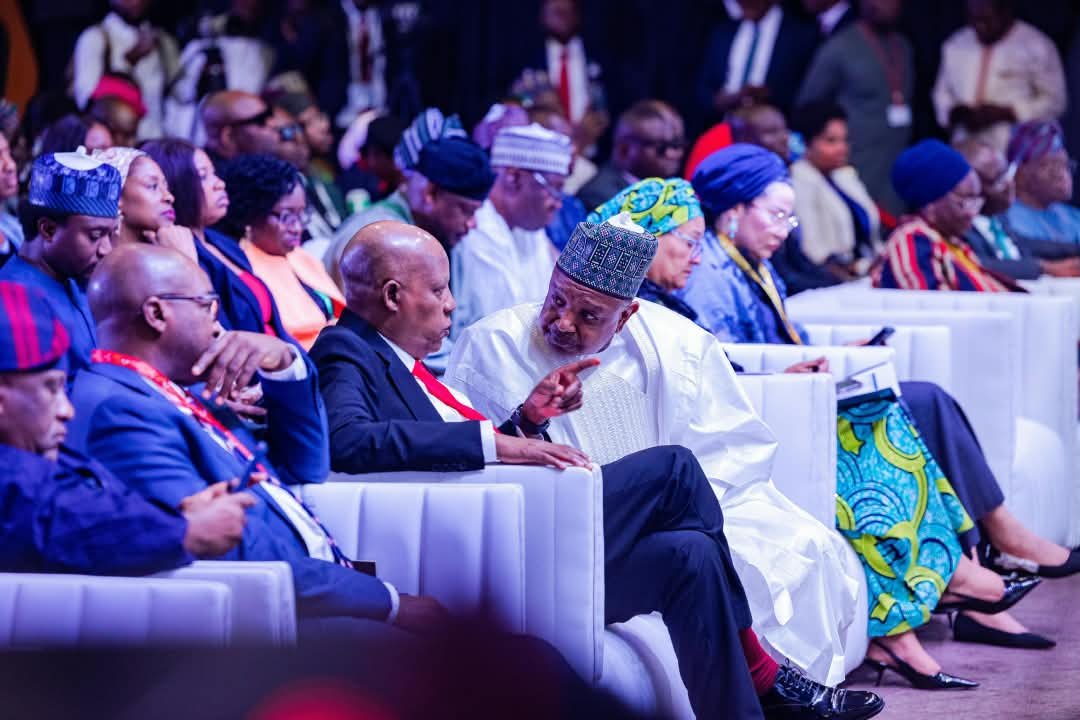
Minister of Budget and Economic Planning, Senator Abubakar Bagudu, who spoke at the 32nd edition of the Nigeria Economic Summit in Abuja, said key macroeconomic indicators are improving and more revenue is now available to federal, state and local governments.
“For those of us serving under the President and Vice President, the instruction has been clear: we must stay the course,” Bagudu said at the 32nd Nigerian Economic Summit (NES#32) in Abuja themed “Growth that Works: Delivering Jobs, Productivity and Shared Prosperity.”
According to him, government will not return to fuel subsidy and its distortions, noting that President Bola Tinubu presented a memorandum on sustainability of reforms at the National Economic Council meeting in October 2025 to ensure continuity and better implementation.
“There will be no return to the fuel subsidy and the economic distortions associated with the previous system,” he said.
According to him, the task now is to consolidate gains and make growth benefit Nigerians.
“The task before us is to sustain progress, improve implementation, address the challenges facing households and businesses, and ensure that economic growth translates into jobs, productivity and shared prosperity,” he said.
Bagudu added that the Renewed Hope Agenda aims to reposition the economy by fixing longstanding structural distortions, strengthening foundations for investment and expanding productive activities to build a resilient economy.
He noted that improved revenues across the federation reflect commitment to fiscal federalism, but require stronger coordination among federal, state and local governments to deliver development.
He said sustaining reforms, boosting domestic production and mobilising investment are key to achieving Nigeria’s one-trillion-dollar economy target by 2030, which will require higher productivity, private sector participation and a competitive business environment.
Speaking on inclusive growth, Bagudu highlighted the Renewed Hope Ward Development Plan to unlock opportunities across Nigeria’s 8,809 wards in areas like agriculture, fishing, livestock and textiles, and stressed agriculture’s role in food security and jobs through access to inputs, financing, mechanisation, irrigation, processing, storage and market access.
He mentioned the Nigeria Industrial Policy 2025 and Nigeria First Policy to strengthen manufacturing and local value addition, and a 90,000-kilometre fibre-optic partnership with the European Union and European Bank for Reconstruction and Development to expand broadband and support digital growth.
He said long-term competitiveness depends on human capital, highlighting programmes like Human Capital Opportunities for Prosperity and Equity and the Nigerian Education Loan Fund, and the need to equip youths with digital and entrepreneurial skills as artificial intelligence reshapes work.
He also advocated the need for better access to finance for MSMEs, including a proposed credit guarantee framework, and urged stronger public-private partnerships to bridge the financing gap and accelerate economic transformation.
He lauded the Nigerian Economic Summit Group (NESG) for sustaining a platform for engagement among government, private sector, labour, academia, civil society and development partners, noting that the Summit offers an opportunity to examine economic challenges and develop practical recommendations.