

Nigeria’s off-grid interventions have connected over 5 million people and created more than 5,000 green jobs through innovative subsidy frameworks that expanded reliable energy access at lower cost, a report has said.
The United Nation’s World Social Report 2026: The New Economics of Social Inclusion, which highlighted the role of the Rural Electrification Agency (REA) in extending modern energy infrastructure to underserved and unserved communities across the country.
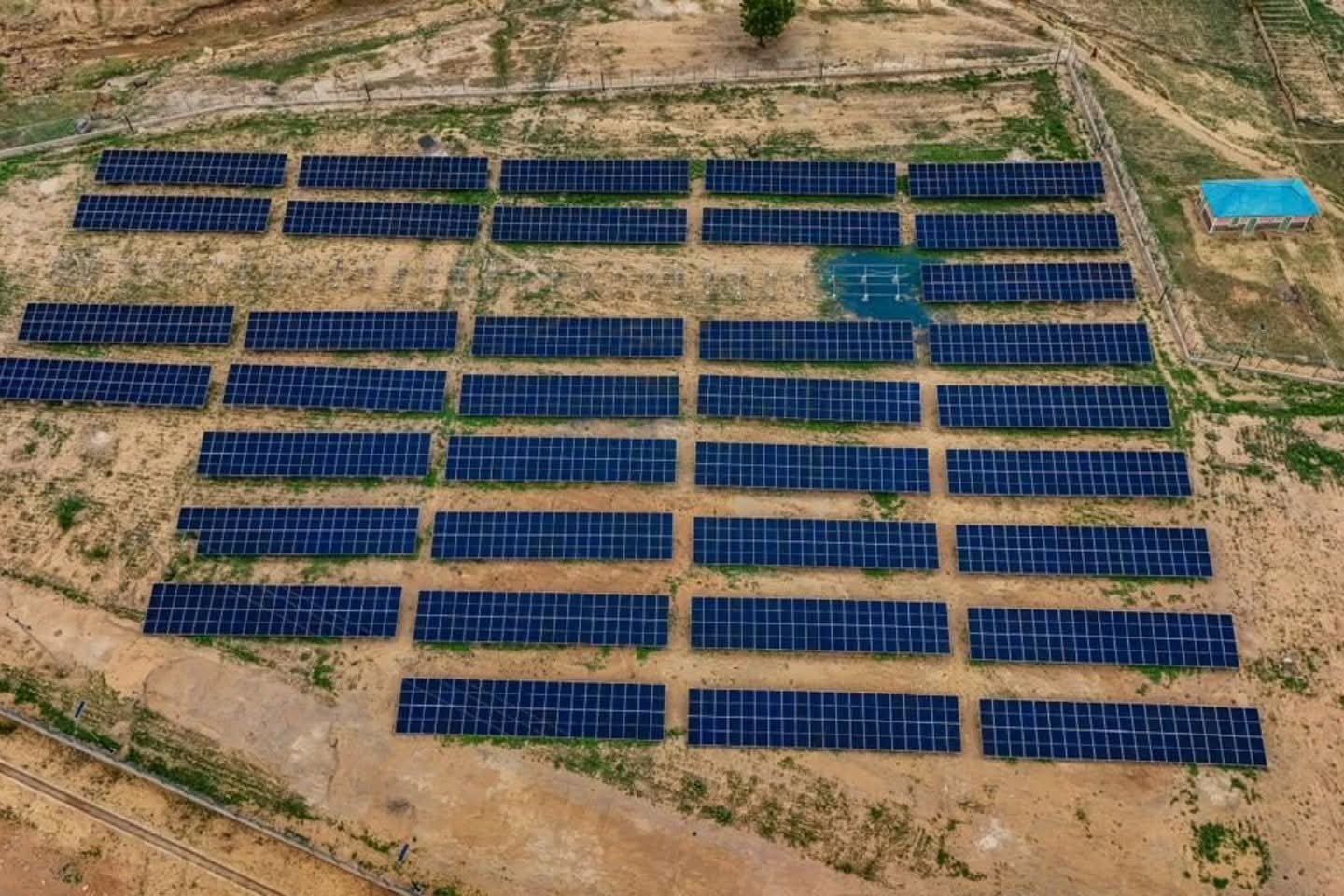
The report also lauded Nigeria and Ghana for leading agrivoltaics innovative projects that integrate solar installations directly onto working farmlands.
According to the report, this model allows communities to transform food and energy systems simultaneously, effectively harvesting sunlight twice on the same plot of land to optimize both agricultural yield and clean power generation.
Referring to the Nigeria Electrification Project (NEP) as a model policy intervention, the UN noted that the strategic subsidization of rural mini-grids has significantly lowered retail tariffs for vulnerable populations while unlocking substantial private capital.
The report disclosed that the initiative has supported the deployment of 125 mini-grids and catalyzed the distribution of over one million Solar Home Systems (SHS).
“Through these interventions, more than 5 million Nigerians now have access to reliable power, backed by targeted subsidies, lifeline tariffs, and pay-as-you-go financing models designed to ensure long-term affordability and widespread access,” the report added.
It also emphasized that targeted subsidies and differential pricing frameworks remain vital to ensuring an equitable energy transition.
By prioritizing energy efficiency and off-grid solutions in low-income areas, developing nations can secure high-yield returns on investment, mitigate energy access disparities, and stimulate local enterprise.
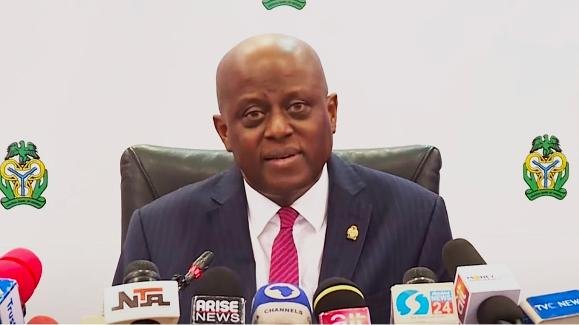
Speaking on the global recognition, the Managing Director and Chief Executive Officer of the REA, Abba Aliyu, stated that the report validates the agency’s core philosophy that rural electrification extends far beyond counting megawatts.
“It is about building an energy ecosystem that drives economic productivity and uplifts livelihoods,” he said.
He also commended President Bola Ahmed Tinubu for championing the world’s largest publicly funded renewable energy portfolio noting that the agency has now facilitated over 1,000 mini-grid installations nationwide.
He added that the REA’s expanding footprint continues to strengthen agro-processing, raise agricultural yields, and bolster national food security by powering irrigation systems, cold storage facilities, and rural cottage industries citing the recent commisisoning of a 1MW mini-grid project in Gombe state.
The agency also recently performed the groundbreaking for a 17.7MW interconnected mini-grid in Oyo State, 16MW interconnected mini-grid in Gombe state and commissioned a 581kwp mini-grid in Oke-uyi, Kwara State.