
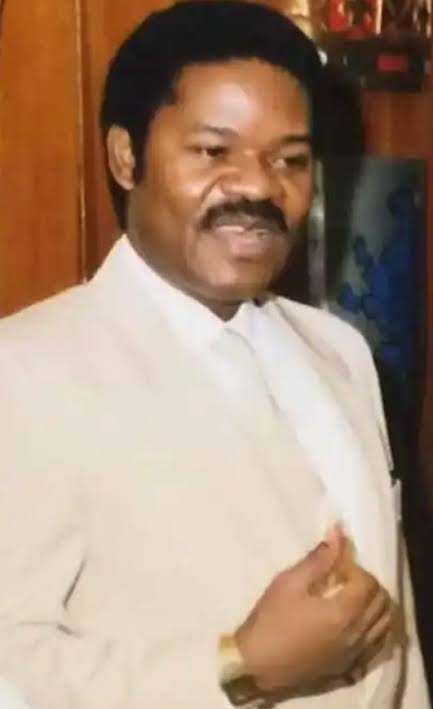

Media Rights Agenda, MRA, has implored the Federal Government to comply with and implement the judicial order directing it to investigate the killing of the founding Editor-in-Chief of Newswatch magazine, Mr. Dele Giwa.
The group made the call in Lagos in a statement issued to mark the 40th anniversary of Giwa’s assassination on October 19, 1986.
Giwa was murdered through a parcel bomb delivered to him at his residence in Ikeja, Lagos.
The group described the Government’s failure to bring the case to a conclusive resolution four decades later as a “shameful reminder of the entrenched culture of impunity for attacks against journalists in Nigeria.”
MRA’s Deputy Executive Director, Mr. Ayode Longe, said in the statement that the anniversary should not just be treated merely as an occasion to remember an accomplished journalist and celebrate his contributions to journalism in Nigeria, but should also serve as a moment for renewed public scrutiny of the failure to deliver justice and the lack of concrete action by the Government and the Police towards ensuring accountability.
He said: “Forty years is far too long for the assassination of a journalist of Dele Giwa’s stature to remain unresolved. His killing must not be reduced to a recurring anniversary in Nigeria’s media calendar, accompanied by tributes and expressions of outrage but without meaningful progress towards accountability.”
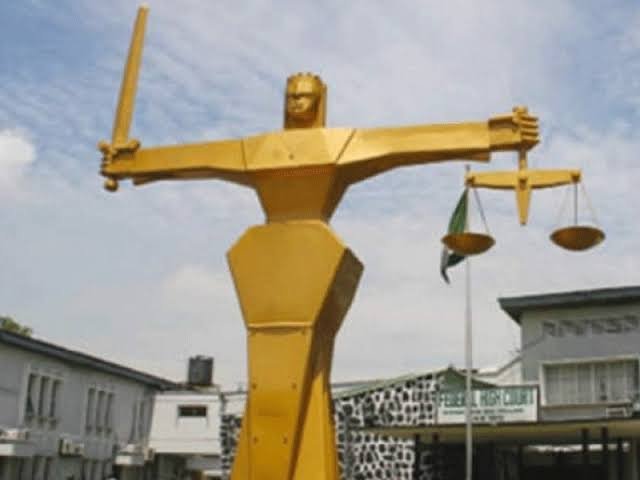
He recalled that on February 16, 2024, MRA secured judgment at the Federal High Court in Abuja, in a case it brought against the Attorney-General of the Federation in which the court ordered the Federal Government to investigate Mr. Giwa’s murder, along with other unresolved killings of other journalists and directed the Government to ensure the prosecution of the perpetrators.
He noted that the Federal Government had not demonstrated any progress or reported on any concrete steps it has taken to establish the facts, identify those responsible, and pursue accountability in accordance with the law.
He described the government’s attitude as a contemptuous disregard for a valid and subsisting judicial order.
Mr. Longe advised the Attorney-General of the Federation, the Nigeria Police Force and all other relevant authorities to provide a clear account of the steps taken to implement the court’s order, including the status of the investigation, the investigative measures undertaken and the plans for pursuing prosecution where the evidence and applicable law warrant it.
Arguing that the passage of time does not extinguish the State’s responsibility to pursue accountability for an unlawful killing, he urged the authorities to explore all lawful investigative avenues, including a systematic review of historical investigation files, witness accounts, documentary evidence and any other material that may assist in establishing the circumstances of the assassination.
According to him, where appropriate and feasible, modern forensic and investigative techniques and tools should be leveraged, as the failure to resolve the Giwa case after four decades sends a damaging message about the safety of journalists in Nigeria and the consequences of violence against those who exercise their right to freedom of expression.
He said, the failure to hold anyone accountable for such a high-profile killing of a journalist as prominent as Dele Giwa sends a wrong signal to those who are inclined to attack journalists as a result of their work that they can do so without negative consequences.
He noted that MRA’s campaign for justice in the Giwa case forms part of its broader efforts to secure accountability for the killings of journalists in Nigeria and called on the Federal Government to institute mechanisms for guaranteeing the safety of journalists, ensuring that law enforcement agencies respond effectively to threats and attacks, and demonstrating through concrete action that violence against media professionals will not be tolerated.
He emphasised that Mr. Giwa’s legacy extends to the emergence of a media sector that has sought to investigate public affairs, hold power to account and provide citizens with information necessary for their participation in public life, adding that a meaningful commemoration of his life and work requires a renewed commitment to the principles on which independent journalism stands, namely truth, accountability, professional courage and the public’s right to know.
He added: “As Nigeria marks four decades since his assassination, the most fitting tribute to Dele Giwa would be demonstrable progress towards justice for him and his family, stronger guarantees for the safety of journalists, and a national commitment to ending impunity for crimes against journalists and other media professionals