

Nigeria is currently battling four major infectious disease outbreaks – Lassa fever, diphtheria, cholera, and meningitis – the World Health Organization said on Monday.
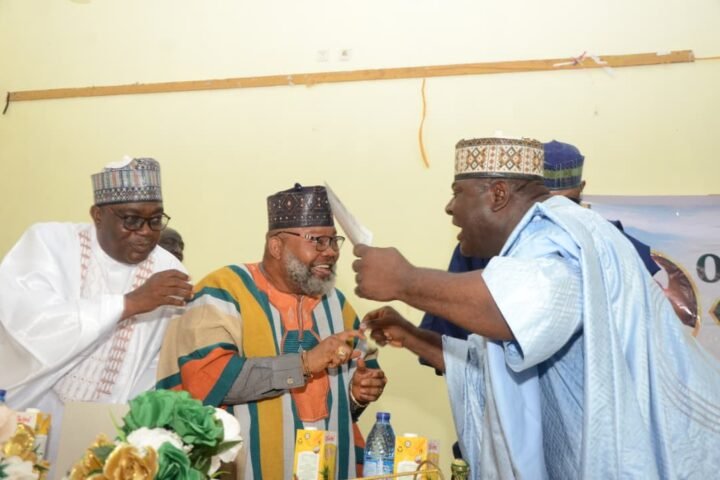
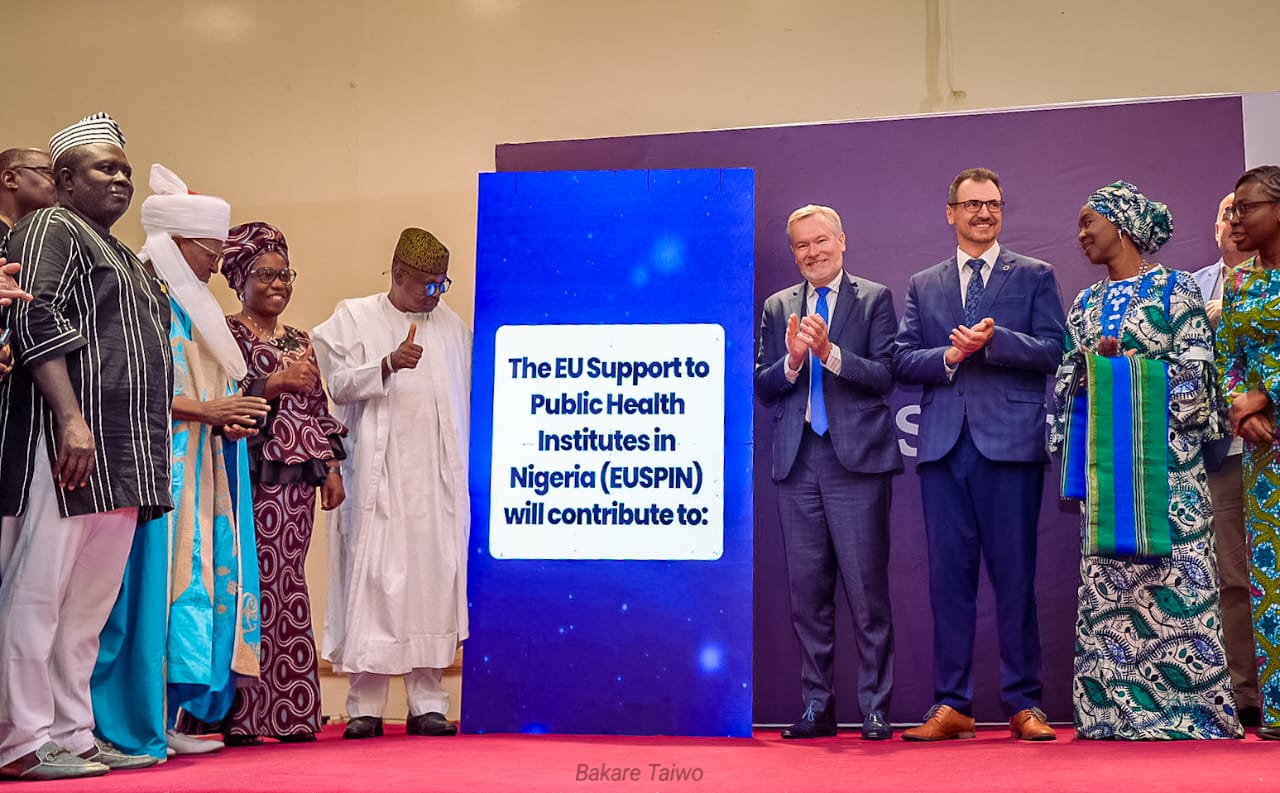
WHO Nigeria Representative Dr. Pavel Ursu disclosed this in Abuja at the launch of the EU-WHO Support to Public Health Institutes in Nigeria (EU-SPIN) project, backed by the Federal Government and the European Union.
He said incident management systems have been activated for the four diseases, while dengue, measles, monkeypox, and yellow fever are under intense surveillance.
He added that circulating vaccine-derived poliovirus type 2 and type 3 remain a challenge in parts of the North-East and North-West, with 27 cVDPV2 cases and seven orphan viruses reported in 2026.
Low immunisation coverage remains a concern. Citing the 2024 Demographic and Health Survey, Ursu said only 39% of children aged 12-23 months were fully immunised, while 31% had never received any vaccine.
“Addressing these challenges requires strong, coordinated and well-resourced Essential Public Health Functions across health and allied sectors,” he said.
The EU-SPIN project will strengthen disease surveillance, laboratory networks, digital health infrastructure, workforce development, and emergency preparedness at national and state levels. It aligns with Nigeria’s Health Sector Renewal Investment Initiative and the International Health Regulations framework.
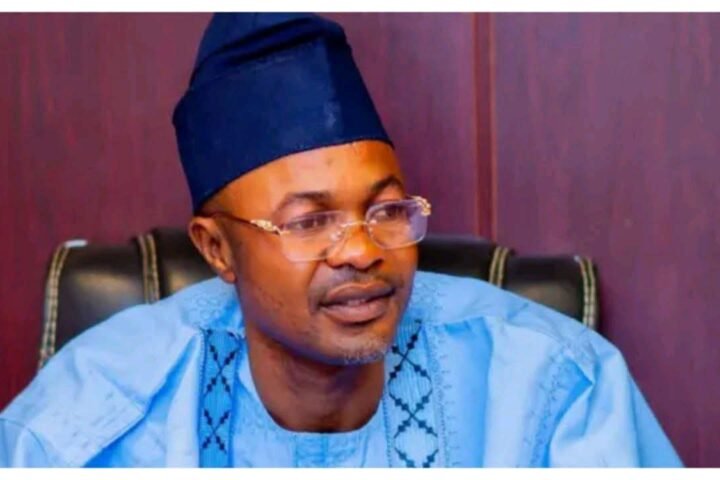
Minister of State for Health and Social Welfare Dr. Iziaq Adekunle Salako said the project comes at a critical time as Nigeria faces pressure from both communicable and non-communicable diseases.
“Our country continues to face a significant burden of disease, from malaria, tuberculosis, and HIV to hypertension, diabetes, cancer, and mental health conditions,” Salako said.
He noted that maternal and child health indicators, climate change, urbanisation, and population growth are further straining the system. With over 30,000 primary healthcare centres, 4,000 secondary facilities, and 200 tertiary institutions, he said effective coordination and public health intelligence are critical.
Speaking, founder of the Wellbeing Foundation Africa, Mrs. Toyin Saraki, said the project targets the right foundation.
“Public health is built through institutions before it is delivered through services,” she said.
Saraki said the focus on governance, workforce, digital health, and institutional strengthening would improve service delivery and protect vulnerable populations.