
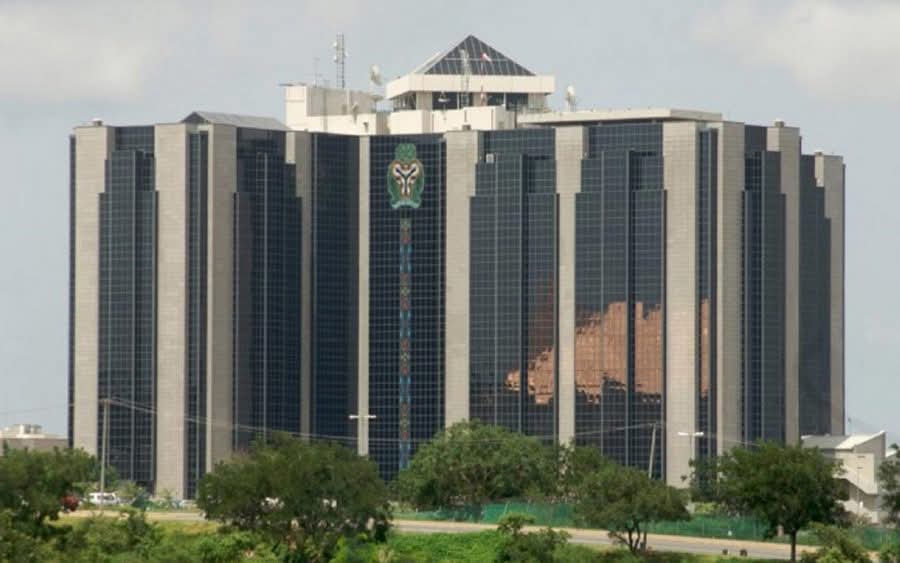

The Central Bank of Nigeria (CBN) has said state governments must align fiscal policy with its planned shift to an inflation-targeting framework, warning that uncoordinated spending and borrowing at the sub-national level could undermine price stability.
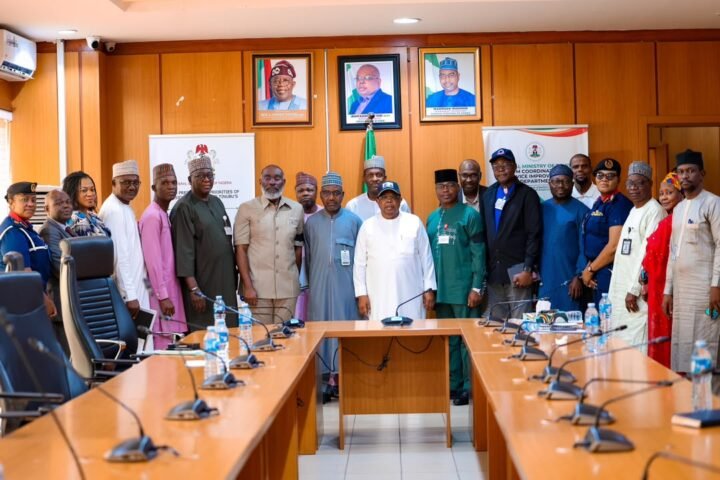
Speaking during an engagement with sub-national stakeholders facilitated by the Nigerian Governors’ Forum (NGF) Secretariat, Deputy Governor for Economic Policy Dr. Muhammad Sani Abdullahi said inflation targeting requires a rule-based, transparent, and forward-looking monetary approach backed by coordinated fiscal discipline across all tiers of government.
“While the CBN retains responsibility for deploying monetary policy tools to control inflation, fiscal actions, particularly at the sub-national level, play a significant role in shaping inflation outcomes in a federal system like Nigeria’s,” Abdullahi said.
He explained that inflation targeting hinges on managing expectations, and that expansionary or unpredictable fiscal actions by states could reinforce or weaken monetary policy signals.
States influence inflation through borrowing, domestic debt accumulation, expenditure patterns, wage bills, capital project execution, salary arrears, overdrafts, contractor financing, and weak coordination on FAAC receipts, cash management, and debt servicing, he said.
“In an inflation-targeting regime, persistent, unpredictable or expansionary fiscal behaviour at the sub-national level can significantly undermine price stability,” Abdullahi said.
He stressed that avoiding fiscal dominance — where government borrowing forces the CBN to monetize deficits — is a prerequisite for the framework to work at both federal and state levels.
He urged states to cut reliance on overdrafts and short-term financing, align borrowing with debt sustainability thresholds, improve budget realism, prioritize spending, and synchronize fiscal calendars with macroeconomic conditions.
Under the framework, Abdullahi outlined four responsibilities for states: maintain fiscal discipline and predictability; pursue responsible borrowing aligned with medium-term fiscal frameworks; strengthen coordination on cash and debt management; and boost internally generated revenue.
He warned that unplanned spending, excessive supplementary budgets, and unsustainable debt could trigger liquidity shocks and raise inflation risks.
Director of the Monetary Policy Department Dr. Victor Oboh described inflation targeting as a “win-win framework” that anchors expectations, enhances credibility, and reduces macroeconomic uncertainty for households, businesses, and governments.
He said price stability cannot be achieved by monetary policy alone, noting that sub-national spending, borrowing, and cash flow decisions directly affect liquidity and inflation.
NGF Executive Director for Policy, Strategy and Research Prof. Olalekan Yunusa, speaking for Director-General Dr. Abdullateef Shittu, commended the CBN for engaging states early in the transition.
He said sustainable stability requires disciplined coordination across all tiers of government.
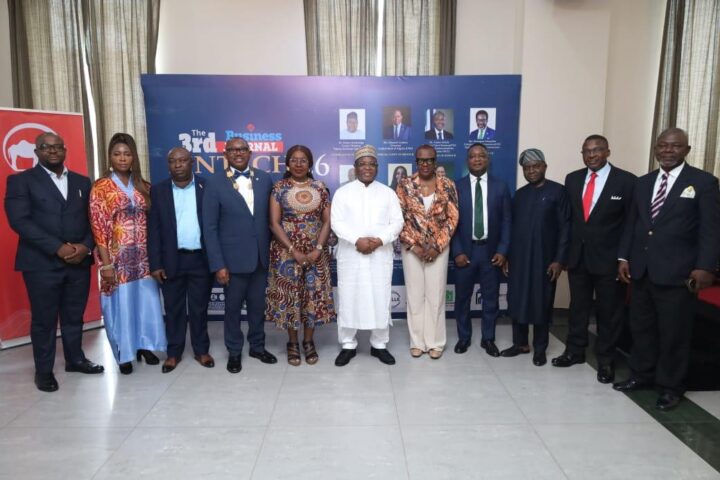
The engagement drew commissioners of finance and economic planning, accountants general, permanent secretaries, and state statisticians from over 20 states.