
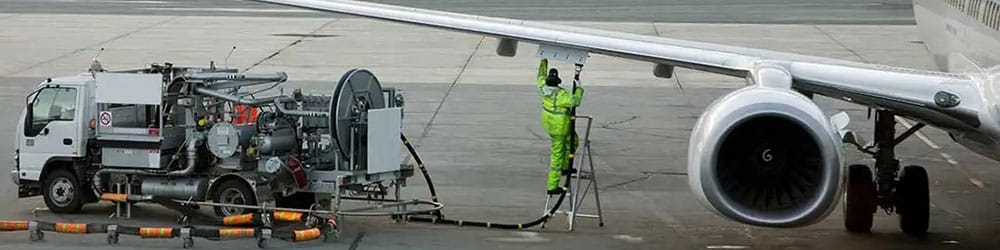

The National Association of Aircraft Pilots and Engineers (NAAPE) has warned that persistent Jet A1 fuel shortages are threatening flight safety, airline viability, and jobs across Nigeria’s aviation sector.
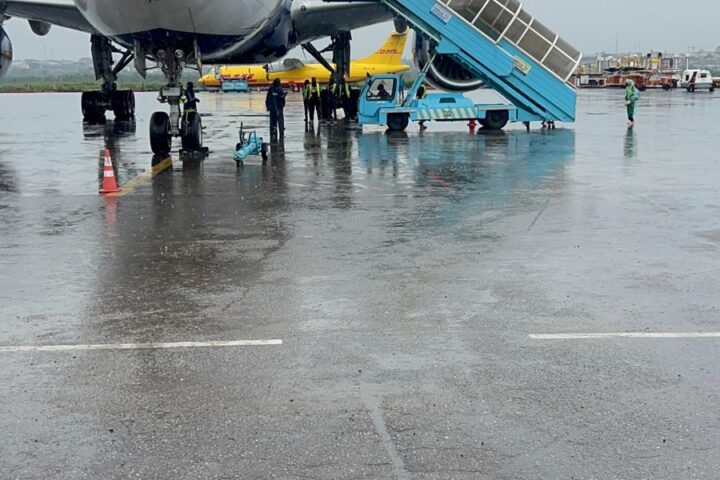
In a statement issued Sunday in Abuja, NAAPE President Capt. Bunmi Gindeh said prolonged supply disruptions have caused widespread flight delays, extended crew duty hours, and forced route adjustments by airlines already facing high operating costs.
“The persistent disruptions to flight schedules have led to significant extensions of crew duty time beyond planned parameters,” Gindeh said. “Fatigue impairs cognitive function, slows reaction time, and erodes situational awareness.”
He urged the Federal Government, the Nigerian Civil Aviation Authority (NCAA), the Nigerian Midstream and Downstream Petroleum Regulatory Authority (NMDPRA), and fuel suppliers to treat the shortage as “a matter of urgent national priority.”
Fatigue management is a core safety priority in global aviation, with regulators enforcing strict duty-time limits for pilots and engineers. Extended work cycles compromise judgement, communication, and emergency response, NAAPE said.
The union added that the fuel crisis is worsening financial pressure on carriers. With aircraft grounded or delayed, airlines generate no revenue while fixed costs persist.
The strain is filtering down to workers through delayed salaries, reduced welfare, and increased workplace stress.
Jet A1 remains one of the largest operating expenses for Nigerian airlines, with costs driven by foreign exchange volatility, supply chain bottlenecks, and reliance on imported petroleum products. Local refining capacity is expanding but has not eased the pressure.
NAAPE cited recent route reductions by domestic carrier Rano Air as an early sign of the strain. “If unaddressed, we anticipate further route suspensions, potential cessation of operations by some carriers, and significant job losses,” Gindeh warned.
Aviation analysts said sustained schedule instability could erode public confidence in domestic air travel and disrupt business mobility, tourism, logistics, and trade.