

The House of Representatives has warned of an impending crisis in Nigeria’s aviation sector and urged the federal government to intervene urgently to check rising aviation fuel costs before domestic airlines collapse.
The resolution followed a motion of urgent public importance moved on Tuesday by Mr Paschal Agbodike, representing Ihiala Federal Constituency, Anambra State.
He said Aviation Turbine Kerosene, ATK, is the biggest cost for airlines, making up 40% to 60% of total operating expenses in Nigeria.
He also said persistent jet fuel price hikes have left operators under severe financial strain and threatened their survival.
“Airline operators are struggling to stay afloat while maintaining safety standards with the Nigeria Civil Aviation Authority,” he said.
He noted that several airlines have already cut flight frequencies or grounded aircraft, reducing capacity nationwide.
The lawmaker added that high jet fuel costs, combined with foreign exchange shortages for aircraft parts, have worsened the financial pressure on carriers.
“If jet fuel pricing remains unstable, major domestic airlines could collapse, with serious consequences for the economy, jobs, and regional connectivity,” Agbodike warned.
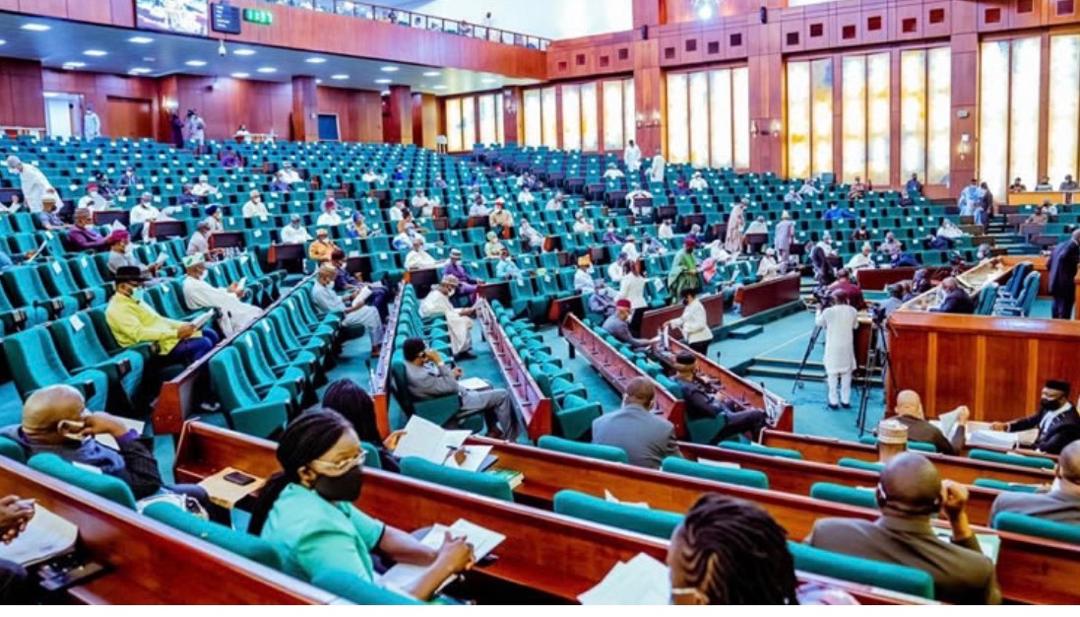
The motion received broad support during the session presided over by Deputy Speaker Benjamin Kalu.
The House now wants the federal government, through the Ministry of Petroleum Resources and the Nigerian National Petroleum Company Limited, to set up a price stabilisation framework for more predictable aviation fuel pricing.
It also mandated its Committees on Aviation, Petroleum Resources (Downstream), and Finance to investigate the persistent price hikes and report back within two weeks.
Lawmakers further asked Aviation and Aerospace Development Minister Festus Keyamo to present an emergency plan to reduce fuel costs within the same period.
The House also urged the Central Bank of Nigeria to prioritise foreign exchange allocation to airlines for importing critical aircraft parts.
The surge in jet fuel prices stems from global crude volatility, supply constraints, and Nigeria’s reliance on imported refined products. Limited domestic refining, high logistics costs, and downstream deregulation have worsened price swings.
The foreign exchange crisis compounds the problem, as airlines pay for fuel in dollars but earn revenue in naira. The naira’s depreciation has pushed operating costs higher.