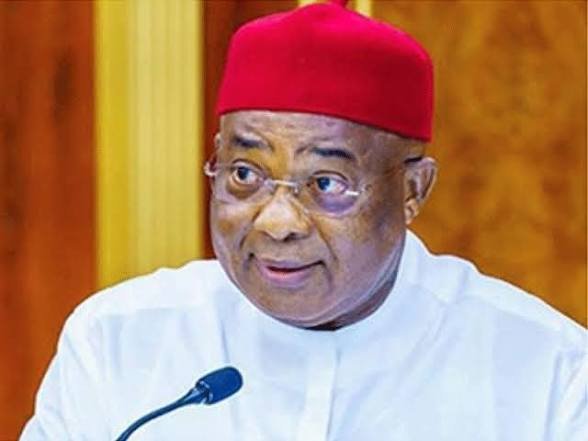


President of the Nigeria Labour Congress, NLC, Comrade Joe Ajaero, has queried Nigeria’s management of its crude oil wealth, maintaining that the country must prioritise local refining for domestic consumption before export and must account for excess crude revenue amid continued borrowing.
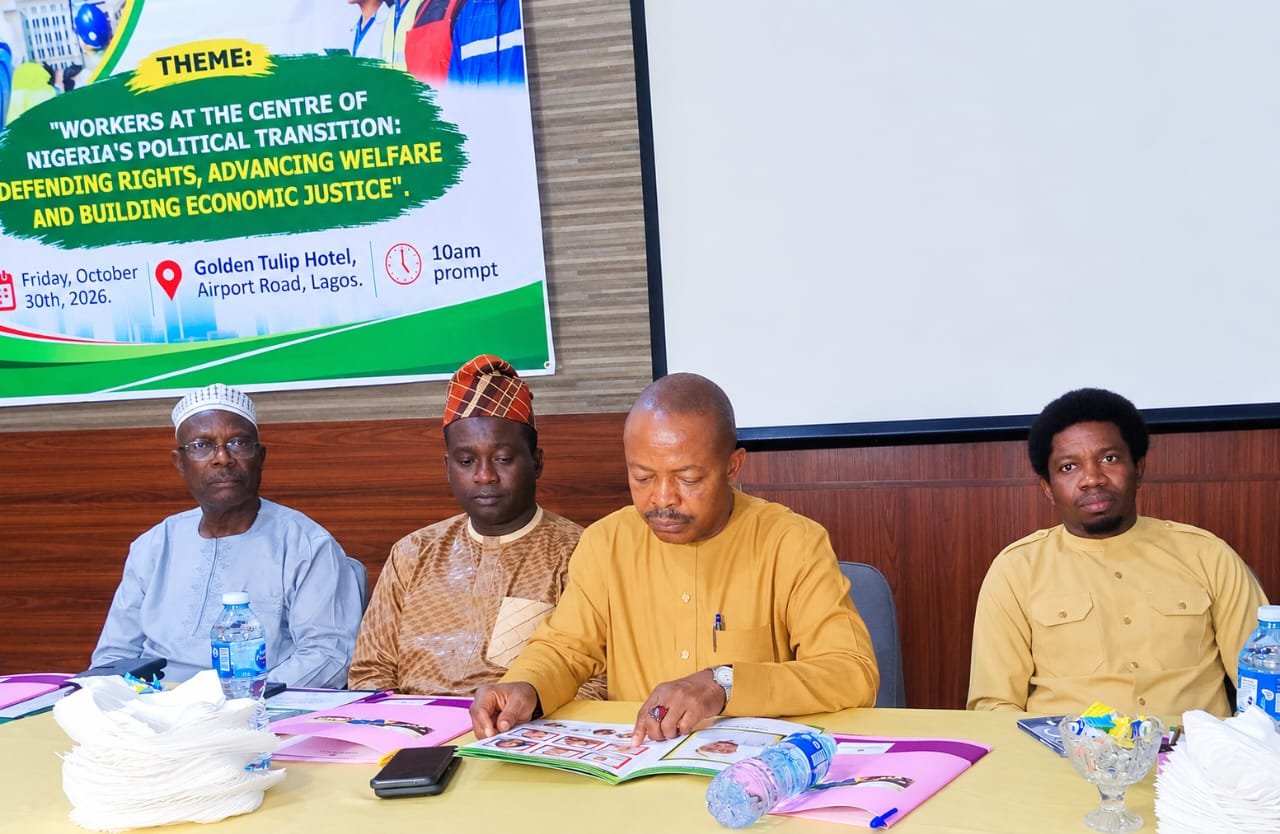
He spoke at a conference of Labour Writers Association of Nigeria in Lagos, where he also hinted that Nigeria is endowed with enormous resources but it continues to borrow money to finance its activities.
The development, he said, raises fundamental questions about economic management and the direction of national policies.
According to him, the country must examine why it is not adequately benefiting from the value of its natural resources, particularly crude oil.
He added: “If Nigeria produces crude oil, why can’t we first meet domestic consumption needs before exporting the remaining quantity?” he queried, describing it as unreasonable for a major crude oil producer to depend heavily on imported refined petroleum products.”
He maintained that Nigeria should be able to refine what it needs locally and export the surplus, rather than continually selling crude oil and spending money to import refined products.
He demanded explanations on what happens to additional revenue when international crude oil prices exceed the budget benchmark.
The labour leader noted that if the national budget was based on an oil benchmark of about $65 to $70 per barrel and crude oil is selling at $110 or more, Nigerians deserve to know how the extra earnings are managed.
“What is happening to the additional revenue?” he asked, questioning why Nigeria should continue to borrow when it may be earning more than projected and who the country is borrowing from.
He said these are important questions the government must answer, stressing that the economy must be managed in a way that places the welfare of citizens and workers at the centre.
He tied proper management of crude oil wealth to workers’ welfare and economic growth, adding that if government places workers at the centre of its economic policies, the economy will perform better because money paid to workers circulates within the domestic economy.
He explained that when workers receive salaries, they spend on food, transportation, accommodation and other essentials, benefiting the person selling groundnuts, tomatoes and garri, landlords and transport operators.
He described improved workers’ purchasing power as “an economic strategy” and not just a labour demand, saying a worker earning N200,000 is likely to spend it within Nigeria.
Ajaero said this reality must inform minimum wage negotiations recalling that the 2019 National Minimum Wage Act provided for a five-year review, while the 2024 amendment increased the wage from N30,000 to N70,000 and reduced the review period to three years, with the next review expected ahead of April 2027.
He maintained that the next minimum wage should be informed by cost-of-living index and inflation, not just arbitrary figures, warning that workers have repeatedly seen purchasing power eroded shortly after a new wage is approved.
Ajaero said labour had insisted government should not concentrate solely on the price of Premium Motor Spirit, PMS, but develop alternatives like Compressed Natural Gas, CNG-powered vehicles and electric vehicles.
He noted that although some CNG buses were distributed to organised labour, their effectiveness remains unclear, adding that giving workers an additional N70,000 as temporary relief for six months does not solve underlying economic challenges.
Speaking on job security and social welfare for workers, including media workers, he lamented that many journalists move from one media house to another because of poor conditions and lack of job security, which affects pension contributions and long-term welfare.
He said journalists should be able to own houses through partnerships with mortgage institutions, and questioned what social security arrangements exist for them in terms of healthcare and transportation.
He commended labour reporters for defending workers’ rights and exposing unfair labour practices and inhuman treatment, citing a recent incident around Badagry Expressway, and advocated the need for more specialised training for journalists covering labour.