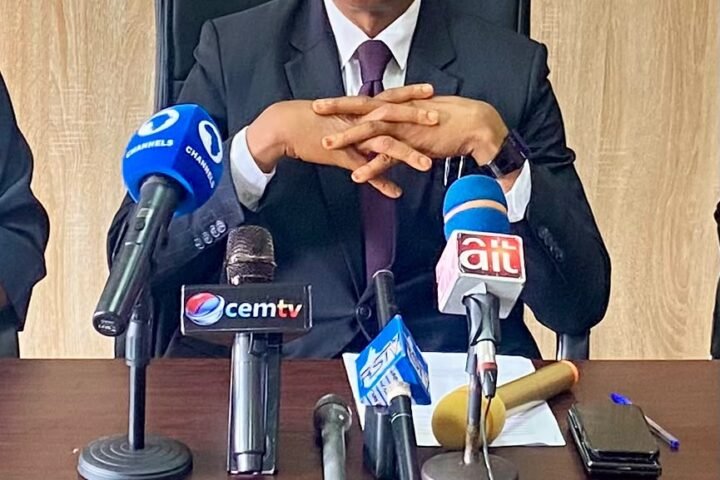

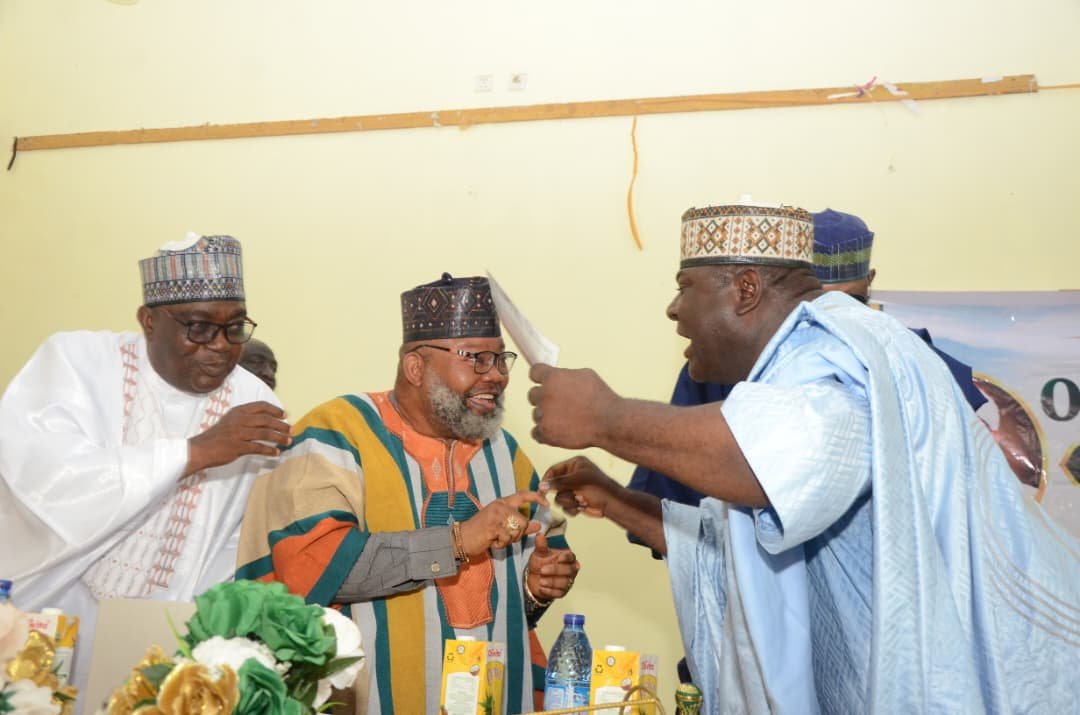

Speakers at a colloquium held for the new Ohindase of Okengwe, HRH Ibrahim Usman Okidi, have called for dialogue on problems facing traditional institutions, including afternoon masquerade activities.
They also urged the traditional ruler to institutionalise the event as an annual platform for dialogue on Ebira cultural heritage, tradition and development.
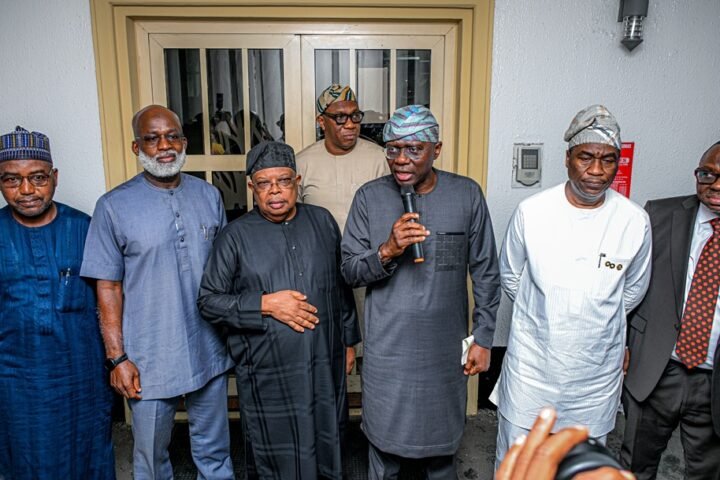
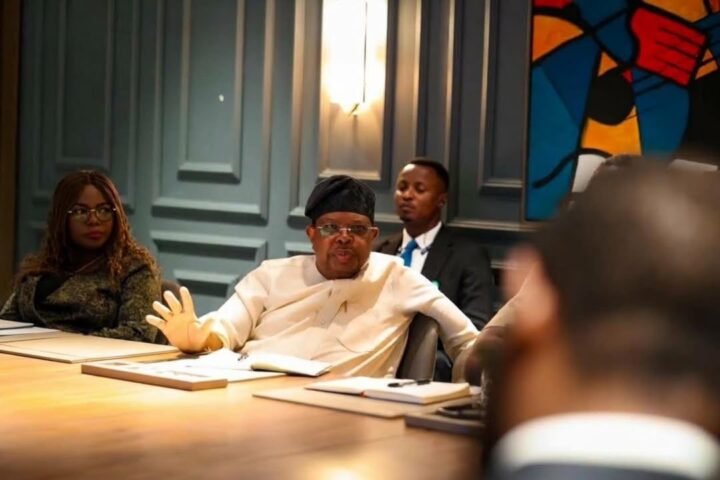
The calls were made on Monday, at AFIMS Hotel, Okene, during the Colloquium, which brought together prominent sons and daughters of Ebira, traditional leaders, academics, cultural advocates, titled personalities and other stakeholders.
Dr. Abdulrahman Adeiza of the University of Abuja, Prof. Sunny Ododo, former Director-General of the National Theatre, Chief Ojiah Adeku, the Ohi of Okene, and other distinguished participants spoke at the event.
They commended the Ohindase for introducing the Colloquium as a platform for intellectual engagement on issues affecting Ebira cultural heritage.
They described the colloquium as an opportunity for Ebira scholars, professionals, traditional leaders and other stakeholders to regularly interface and contribute ideas towards preserving the cultural heritage and advancing the development of Ebira land.
The speakers also called for the establishment of an Ohindase House as well as an Annual Ohindase Scholarship Scheme to support educational development among the people.
The Ohindase of Okengwe, HRH Ibrahim Usman Okidi, expressed appreciation to the speakers, dignitaries and participants for their contributions and for supporting his vision for the development and preservation of Ebira heritage.
He described the peaceful and successful conduct of the Colloquium as encouraging, noting that the event was conceived as an annual initiative and that the unanimous call by participants for its continuity had further reinforced the decision.
The Colloquium was attended by prominent Ebira sons and daughters, members of the Friends of Ohindase, who organised the event, representatives of the Ohindase Ruling House, traditional title holders, cultural groups and performing groups.
The event ended with a renewed call for sustained intellectual, cultural and traditional engagement aimed at preserving Ebira heritage while addressing contemporary challenges confronting the community.