


Africa’s energy transition presents a major opportunity for journalists to tell stories that go beyond the continent’s challenges and spotlight innovations delivering real results.
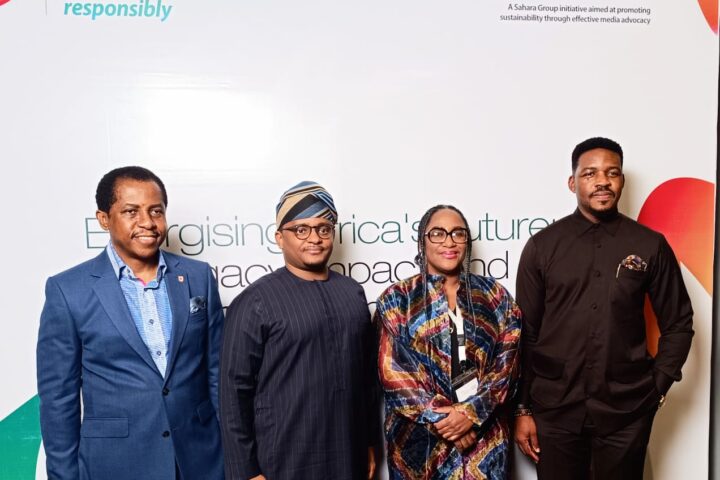
Professor Abigail Ogwezzy-Ndisika*, Lead Assessor of the inaugural Asharami Square Energy Reporting Fellowship, disclosed this on Wednesday.
She said reporting that highlights interventions with measurable impact can shape public debate and inform better decision-making.
“While investments, policy reforms and infrastructure remain essential to closing Africa’s energy gap, journalism that provides context, accountability and practical pathways forward will play an equally important role,” the communications scholar said.
Prof. Ogwezzy-Ndisika urged African journalists to embrace solutions journalism as a critical tool for advancing the continent’s energy future.
“Pointing out the darkness without illuminating the pathways to light leaves our communities paralysed by despair rather than empowered to act,” she noted.
She described the Fellowship as an initiative designed to equip journalists with the tools needed to tell deeper, more impactful energy stories that contribute to Africa’s development agenda.
“We are looking for stories that inform public discourse, influence legislative action and hold power accountable. Journalists must not settle for shallow headlines. They should trace the funding, critique the technology, interrogate the policies and highlight the responses transforming Africa’s energy landscape.”
The Fellowship offers participants access to expert-led masterclasses, mentorship opportunities, facility tours and engagement with industry professionals, with an overall prize package valued at up to $5,000.
Head of Corporate Communications at Sahara Group, Bethel Obioma, said the Fellowship underscores Sahara’s commitment to supporting journalism that expands understanding of Africa’s energy opportunities.
“Africa’s energy story requires more than reporting challenges. It requires journalism that interrogates responses, highlights practical solutions and deepens public understanding of the realities shaping the continent’s energy landscape,” he said.
Obioma noted that entries will be assessed on integrity and accuracy, originality, balance and context, solutions-focused rigour and practical impact.