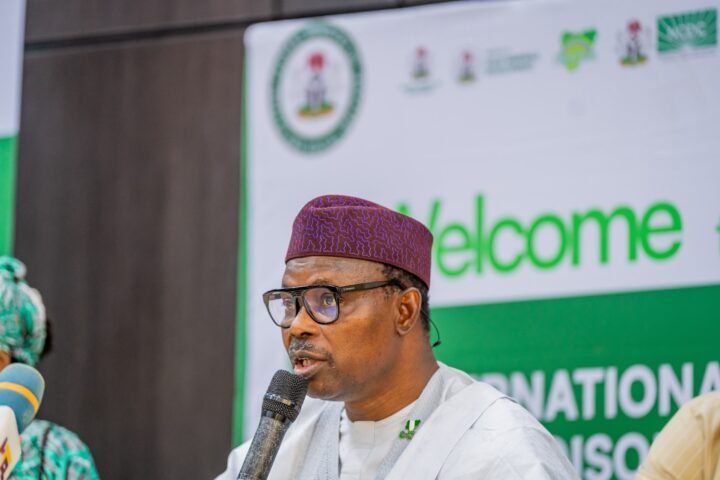

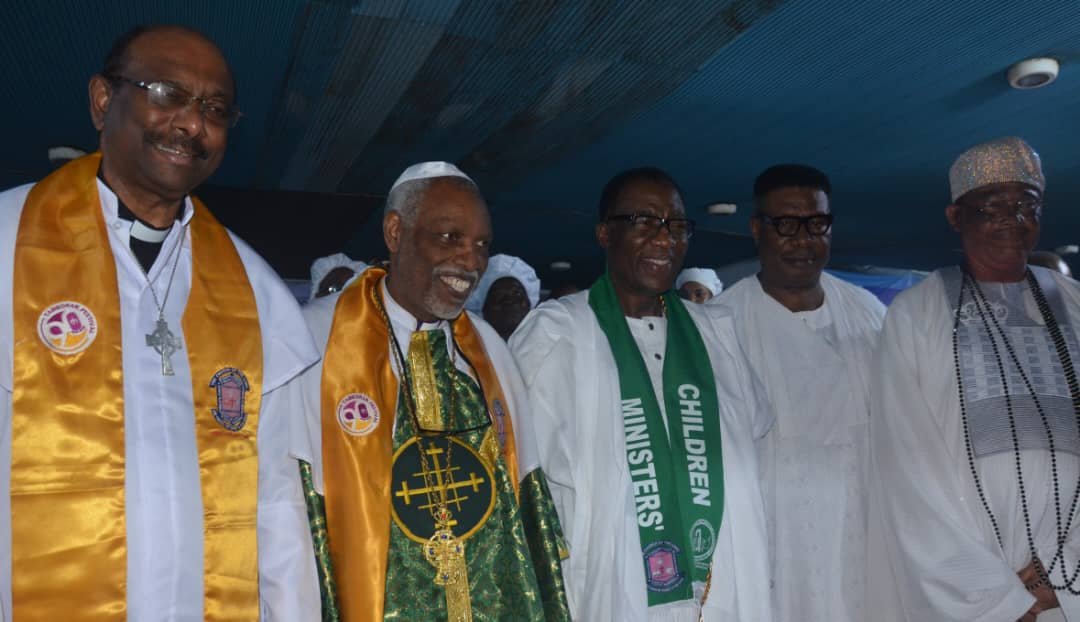

The Primate of The Church of the Lord Worldwide, His Holiness, The Most Revd. Dr. Rufus Okikiola Ositelu, has advised the Federal Government to prioritise justice, good governance and national security as Nigeria faces pressing challenges.
He spoke at the 90th Tabieorar Festival, where he also described the celebration as a time to reflect on the present and look forward to the future with renewed faith, responsibility and hope.
According to him, the Church has a sacred responsibility to pray for those in authority, commend what is good, encourage improvement where necessary, and draw attention to areas requiring urgent action.
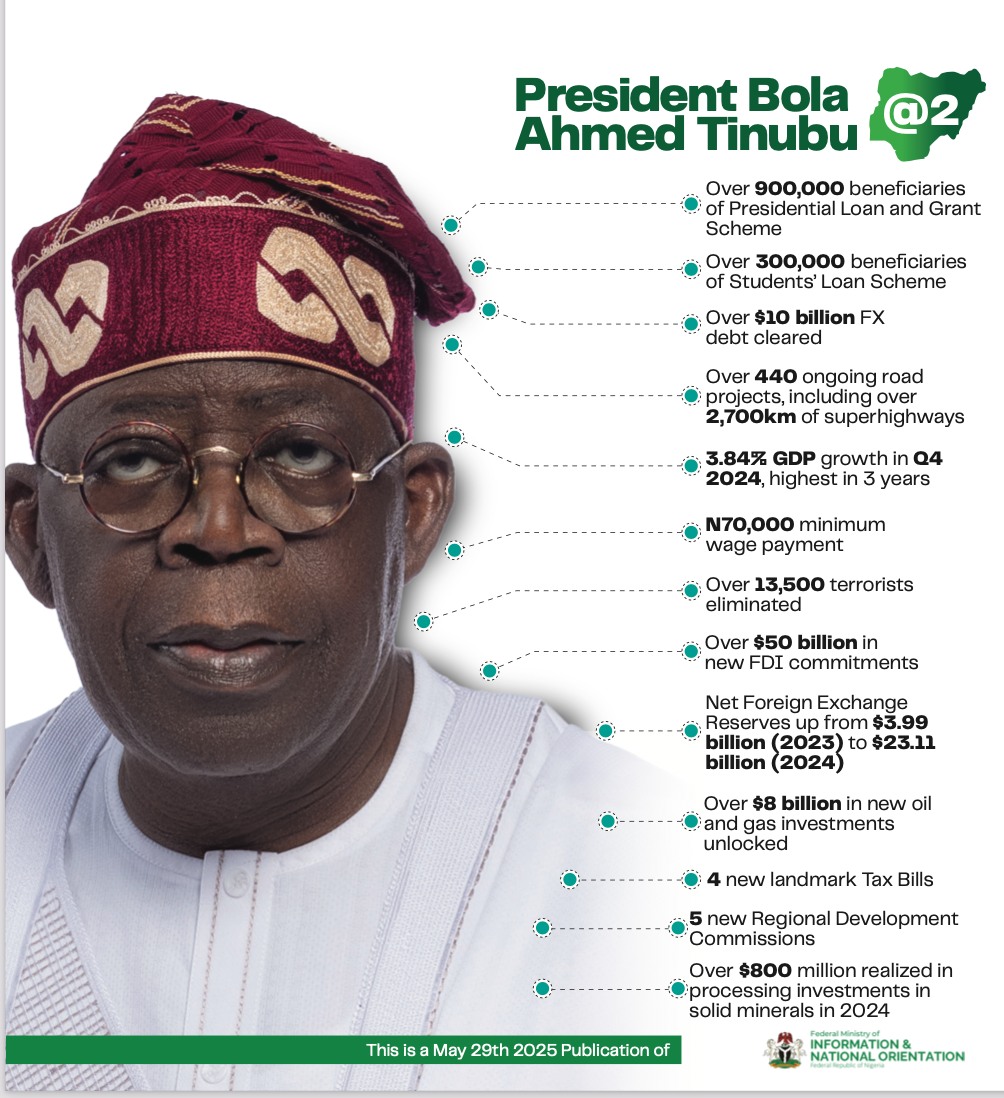
He lauded the Federal Government for its investments in infrastructure, education, economic and fiscal reforms, local government administration, and agriculture.
He noted that these efforts have the potential to improve transportation, expand access to education, strengthen public finances, promote grassroots development and enhance food production.
He advised the government to ensure transparency, accountability, quality implementation and measurable impact.
He maintained that electricity reforms should translate into reliable power, welfare programmes should reach the genuinely vulnerable, healthcare should become more accessible and affordable, and youth empowerment programmes should lead to real jobs and sustainable businesses.
Speaking on security, the Primate said the protection of life and property must remain the first responsibility of government.
He advocated the need for stronger intelligence gathering, better coordination among security agencies, and adequate training and equipment for personnel.
He urged decisive action against terrorism, kidnapping, banditry and organised crime, and greater protection for communities, schools, farms, markets, highways, places of worship and critical infrastructure.
He also implored the government to address the social and economic conditions that encourage criminality.
He also spoke on the state of the nation’s economy, saying economic reforms must be implemented with compassion to improve the living conditions and purchasing power of the masses.
He suggested increased domestic food production, support for farmers, improved rural roads, and targeted assistance for vulnerable households, pensioners and fixed-income earners.
Speaking on corruption, he called for stronger and more independent anti-corruption institutions free from political interference, with the law applied fairly to everyone.
He also advocated for transparent procurement, effective auditing, and protection for whistle-blowers.
He said justice must not only be available but must also be seen to be fair, timely and accessible to all. He called for reduced delays in court proceedings and improved funding for the judiciary.
He advised Nigerians to see nation-building as a collective responsibility. He urged citizens to remain peaceful and law-abiding, reject violence, ethnic hatred and religious intolerance, and avoid spreading false information.
He also implored Nigerians to fulfil civic obligations such as payment of taxes and to embrace diligence, honesty, hard work and patriotism.
He reaffirmed the Church’s commitment to intercession, moral instruction, peace and reconciliation, and expressed belief that with collective effort and God’s guidance, Nigeria’s glory shall be restored.