


The Managing Director of the Rural Electrification Agency, REA, Dr. Abba Abubakar Aliyu, has said that the Renewable Asset Management Company, RAMCO, will link Nigeria’s renewable energy assets to long-term private capital.
He disclosed this ahead of RAMCO’s launch on August 26, 2026 in Abuja.
He described RAMCO as a specialized platform for the professional management and long-term sustainability of renewable energy assets.
According to him, Nigeria’s renewable opportunity is huge due to its population, solar resources, growing developer base, and the Electricity Act 2023.
“What we need now are institutions that can connect infrastructure to patient capital. RAMCO is designed to do exactly that,” he said.
He said the birth of RAMCO will mark a new era for distributed renewable energy access in Nigeria.
According to him, if properly structured and commercially disciplined, RAMCO could become a bridge between public infrastructure and private investment, while helping Nigeria move from a model focused primarily on infrastructure deployment to one centered on asset sustainability, productivity, and capital recycling.
“Build. Operate. Optimize. Aggregate. Refinance. Reinvest,” he said, describing what he sees as a potential model for creating a revolving financing system for renewable energy infrastructure.
He said the approach could allow capital initially deployed into mature renewable energy assets to be refinanced or recycled subject to appropriate commercial and regulatory structures with the proceeds potentially supporting new projects.
He argued that such a model could reduce Nigeria’s dependence on government budgets, sovereign borrowing, and development finance to expand electricity access.
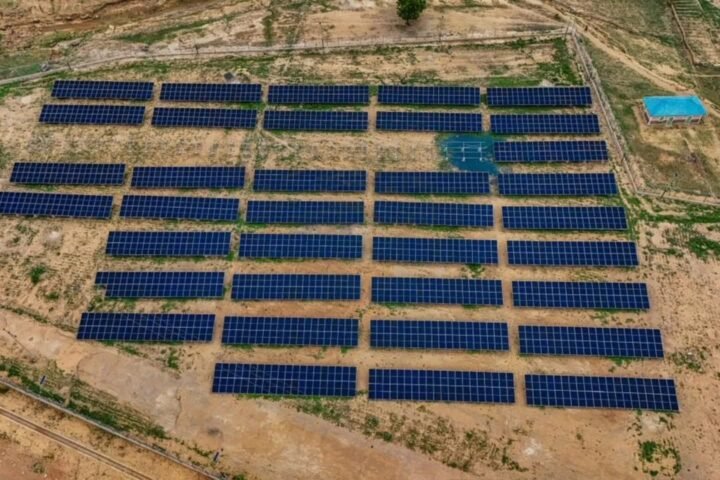
He also identified asset maintenance as a major consideration for the renewable energy sector, noting that solar panels, batteries, inverters, and other components have different operating lifespans and require continuous maintenance and replacement.
He said effective asset management would therefore need to cover areas such as equipment maintenance, revenue collection, customer demand, operator performance, and the overall financial health of renewable energy projects.
He said attracting such long-term capital is important because the country’s electricity infrastructure needs are too large to be financed by the government alone.
He argued that Nigeria’s renewable energy strategy must therefore focus not only on installed capacity, but also on the ability to manage electricity infrastructure efficiently and mobilize capital for continued expansion.
He noted that the success of RAMCO should ultimately be measured by factors including the number of renewable assets kept productive, private capital attracted, distressed projects restored, and capital recycled into new electrification projects.