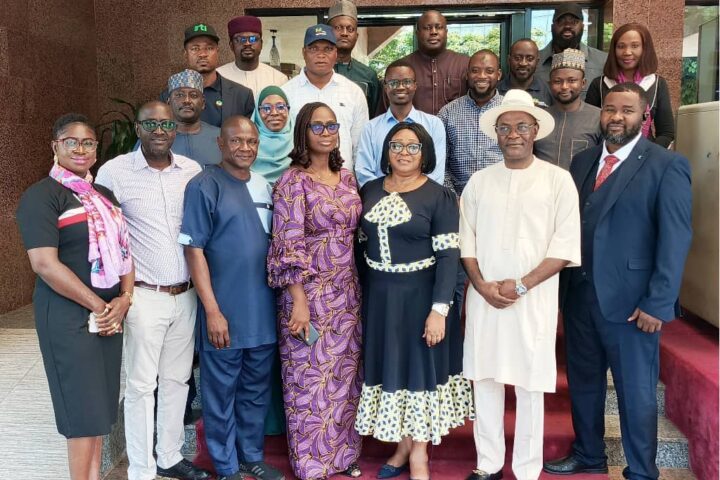



As Nigeria’s technology ecosystem expands beyond Lagos and Abuja, one of its biggest strengths is emerging not from startup funding or product launches, but from the communities helping people build careers in technology.
Across the country, grassroots developer communities are creating spaces where aspiring software engineers learn practical skills, find mentors and connect with opportunities that might otherwise remain out of reach.
These communities have become an increasingly important part of Nigeria’s digital talent pipeline, helping bridge the gap between learning and employment in a fast-evolving industry.
Among those contributing to that movement is software engineer, entrepreneur and community builder Paul Adams Ohiani, whose work through PHPX Ibadan has helped grow one of the country’s thriving developer communities. His contribution to expanding access to technology and nurturing digital talent was recently recognised with the Tech Impact Award at Tech Cirvee Fest 3.0.
For Ohiani, however, the recognition is less about personal achievement than about the impact communities can have on people’s lives.
“This recognition is incredibly meaningful because it celebrates something I deeply believe in: that technology changes lives when people have access to the right opportunities,” he said.
He added: “Communities play a critical role in helping people find direction, build confidence and connect with others who can accelerate their careers. Whatever impact I’ve made has only been possible because of the incredible people who continue to show up, learn and give back.”
Through PHPX Ibadan, Ohiani has helped create a platform where developers regularly come together to share knowledge, strengthen technical skills and build professional networks.
The community has become a meeting point for aspiring and experienced professionals seeking mentorship, collaboration and career growth, contributing to the broader development of Nigeria’s technology ecosystem.
As technology continues to reshape industries and create new economic opportunities, industry observers increasingly point to developer communities as critical infrastructure for talent development.
Beyond teaching programming languages or technical tools, these communities foster collaboration, encourage continuous learning and expose members to opportunities that can transform careers.
Ohiani believes these ecosystems deserve greater attention because they are often where future founders, engineers and technology leaders begin their journeys.
“We often celebrate startups after they raise funding or launch successful products, but behind every great company are communities that helped people learn, grow and find opportunities,” he said. “If we want to build a globally competitive technology ecosystem, we must continue investing in the spaces where talent is discovered, nurtured and connected.”
His work in community building complements his efforts as a technology entrepreneur. Earlier this year, his startup, Testsnag, an AI-powered autonomous software testing platform, won the startup pitch competition at the Elevate technology conference, underscoring his commitment to solving technical challenges while supporting the growth of the wider ecosystem.
Despite these milestones, Ohiani maintains that lasting progress in Africa’s technology industry will depend less on individual success stories and more on the strength of the communities that develop talent and create opportunities for others.
“Whether you’re building a developer community or building software, the goal is ultimately the same: to make it easier for people to create, innovate and succeed,” he said. “Technology has the greatest impact when it empowers more people to participate, and that’s the kind of ecosystem I want to help build.”
As Nigeria seeks to position itself as one of Africa’s leading technology hubs, the role of community builders is becoming increasingly significant. While investment and innovation remain essential, the long-term success of the ecosystem will also depend on the people and platforms that nurture talent long before products are launched or companies secure funding.
For Ohiani, that is where the future of the industry lies.
“The future of African technology won’t be built by individuals working in isolation,” he said. “It will be built by communities that share knowledge, open doors for others and create opportunities that multiply over time.That’s the kind of impact worth investing in.”