


The Petroleum Products Retail Outlets Owners Association of Nigeria, PETROAN, is asking the Federal Government to immediately restart all government-owned refineries.
PETROAN said working public refineries will serve as a price check and prevent exploitation in the downstream sector.
Its National President, Dr. Billy Gillis-Harry, said while PETROAN backs a deregulated market, Dangote Refinery’s decision to sell products in dollars shows why Nigeria needs more operational refineries.
Dangote Refinery was reported to have suspended the sale of petroleum products in naira and transition to dollar-denominated transactions.
Observers described the development as a significant policy concern, warning that while businesses have commercial considerations, decisions of this magnitude must also take into account their broader economic implications for the nation.
According to Harry, having only one dominant supplier puts marketers and consumers at risk of sudden price increases that can affect pump prices nationwide.
Multiple refineries, he said, will promote competition, protect consumers, and boost Nigeria’s energy security.
He expressed concern that marketers earn revenue in naira but may now be required to source foreign exchange to purchase petroleum products, thereby increasing operational costs, foreign exchange risks, and pressure on the retail market.
He emphasized that the immediate operation of the Port Harcourt, Warri, and Kaduna Refineries would provide an effective price-check mechanism against excessive pricing and market exploitation, encourage healthy competition among domestic refineries, stabilize petroleum product prices through multiple supply sources, reduce pressure on foreign exchange by increasing local refining capacity, and strengthen Nigeria’s energy security by ensuring uninterrupted product availability.
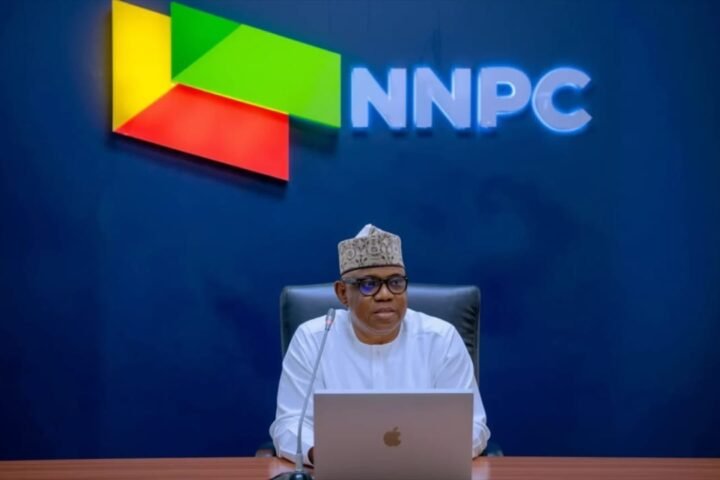
He implored the Group Chief Executive Officer of NNPCL, Engr. Bayo Ojulari, to direct the NNPCL management to resume temporary operations at the government-owned refineries while discussions with the two prospective Chinese technical partners continue.
He recalls that the refineries were operational before their shutdown in May 2025 and believes that temporary production will immediately increase domestic fuel supply, moderate price volatility, and provide much-needed relief to Nigerian consumers pending the conclusion of the technical partnership arrangements.
He expressed that Nigeria’s long-term energy security cannot depend on one refinery alone, irrespective of its production capacity.
He maintained that a resilient petroleum sector requires both public and private refineries operating competitively within the same market.
He urged the Federal Government to accelerate the rehabilitation and full commercial operation of the Port Harcourt, Warri, and Kaduna Refineries.
He added: “At this critical period, operational government-owned refineries will serve as an effective price-check mechanism against excessive pricing and market exploitation; create healthy competition among domestic refineries, leading to more stable and affordable petroleum product prices; reduce the demand for foreign exchange by increasing local refining capacity and strengthening the naira; enhance Nigeria’s energy security by guaranteeing reliable product supply, reducing dependence on a single supplier, and minimizing the risk of supply disruptions; and improve public confidence in Nigeria’s refining capacity, stimulate economic activities, protect jobs, and support sustainable economic growth.
He further urged the Federal Government to ensure adequate crude oil supply to all domestic refineries, sustain policies that encourage competition, investment, and price stability in the downstream petroleum sector, and continue creating an enabling environment that encourages investment in additional modular and conventional refineries across Nigeria.
Also commenting. Dr Joseph Obele, an energy expert, advised the Federal Government to strengthen and expand the crude-for-naira policy to ensure that domestic refineries receive sufficient crude oil to meet their production requirements.
He also emphasised the need for the Nigerian National Petroleum Company Limited (NNPCL) to allocate additional crude oil to domestic refineries to reduce dependence on imported crude and support naira-denominated transactions.
According to him, the Central Bank of Nigeria (CBN), the Federal Ministry of Petroleum Resources, and relevant regulatory agencies should provide clear policy guidance on the currency to be used for domestic petroleum transactions in order to preserve confidence in the naira.
Government, he said, should intensify efforts to stabilize the foreign exchange market through increased crude oil production, improved export earnings, and policies that strengthen the value of the naira.
He added:All stakeholders in the petroleum industry should work collaboratively to ensure that commercial decisions support not only business sustainability but also Nigeria’s broader economic stability, energy security, and long-term national interest.
“While every investor deserves a fair return on investment, policies and business decisions within strategic sectors such as petroleum should carefully balance commercial realities with their wider implications for the Nigerian economy and the welfare of citizens.”