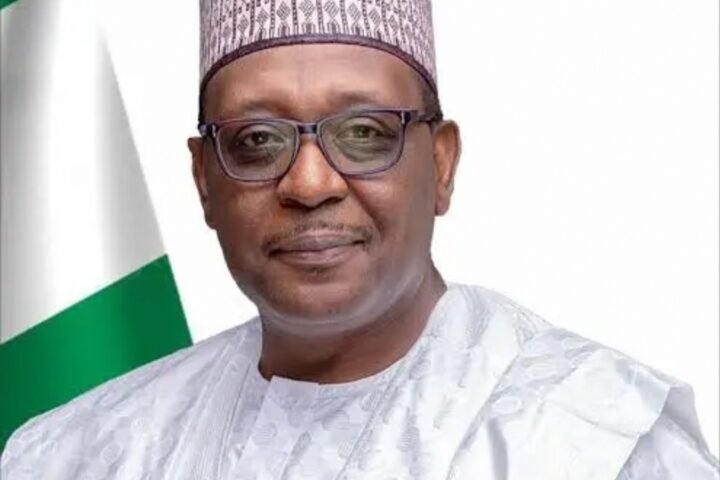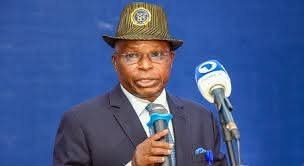



Renewable energy projects in West Africa’s rural communities are driving jobs, business growth, and poverty reduction, Hon. Ahmed Munir, has said.
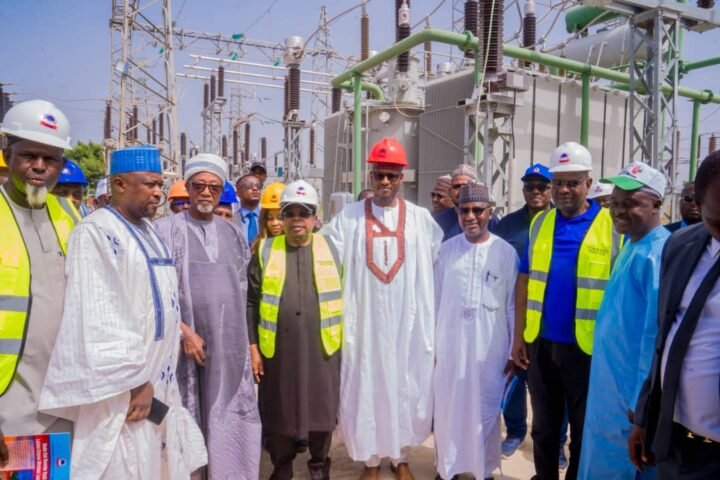
The Vice Chairman, ECOWAS Parliament Committee on Infrastructure, said field visits to solar-powered communities showed rural electrification delivers benefits beyond electricity.
He spoke to journalists at the Delocalized Meeting of the Joint Committee on Infrastructure, Agriculture, Energy and Mines in Dakar.
He said the impact of renewable energy extends far beyond household lighting, as local businesses and productive enterprises are increasingly leveraging electricity to improve livelihoods and stimulate economic activities.
“What we witnessed in the communities was prosperity, not just electricity. Access to power has enabled women to produce and sell ice blocks using deep freezers, tailors are running their businesses efficiently, and several other enterprises are flourishing,” he added.
He noted that the ripple effects of rural electrification have also boosted indirect economic activities, with food vendors and small-scale entrepreneurs extending operating hours and increasing their earnings.
He disclosed that renewable energy initiatives are creating opportunities for youth engagement through technical training, maintenance services and entrepreneurship.
“Young people are actively participating. Some have developed skills in maintaining solar installations, while others have ventured into food processing and various income-generating activities. Engaging directly with these communities allowed us to appreciate the real impact of these projects,” he stated.
He emphasised that the long-term success of renewable energy projects would depend on community participation and ownership.
According to him, while governments and development partners play important roles in financing and implementing projects, local communities must take responsibility for sustaining and expanding the initiatives.
“Government resources are finite, and private investors may not always prioritize remote communities. Local populations must take ownership of these projects. Women and youth, in particular, have significant roles to play in ensuring revenues generated are reinvested for maintenance and expansion,” he said.
He spoke on concerns over infrastructure maintenance in rural areas, saying the ECOWAS Parliament would continue providing legislative support and policy advocacy to accelerate renewable energy deployment across the region.
He described many of the projects visited as pilot interventions capable of being replicated on a larger scale.
“The systems currently serving a handful of communities can be expanded to power larger towns, cities and industries.
The ECOWAS Parliament has adopted its report and will continue to amplify the message to ensure these successes are replicated throughout the region,” he added.
Munir also implored investors, renewable energy developers and development finance institutions to take advantage of growing opportunities within Africa’s energy sector.
According to him, governments across West Africa are strengthening legal and regulatory frameworks designed to attract investment and provide confidence for long-term participation in renewable energy projects.
“Africa offers enormous opportunities for renewable energy investment. There is a ready market, and there is increasing political commitment. Our objective is to establish policies and incentives that encourage investment while ensuring sustainable returns,” he said.