

The Nigeria Social Insurance Trust Fund paid over N239.5 million in compensation to workers and their families in 2024, as claims processing increased sharply.
The Fund said it handled 22,350 compensation claims last year, up 21 percent in payout value from the previous year.
Breakdown of key payments shows a Seplat Energy worker received N90 million, while N76 million went to the dependants of a Nigerian Breweries employee.
It also paid N42.5 million to the family of a deceased Depthwize employee and covered N31 million in medical bills for a Nestlé Nigeria worker.
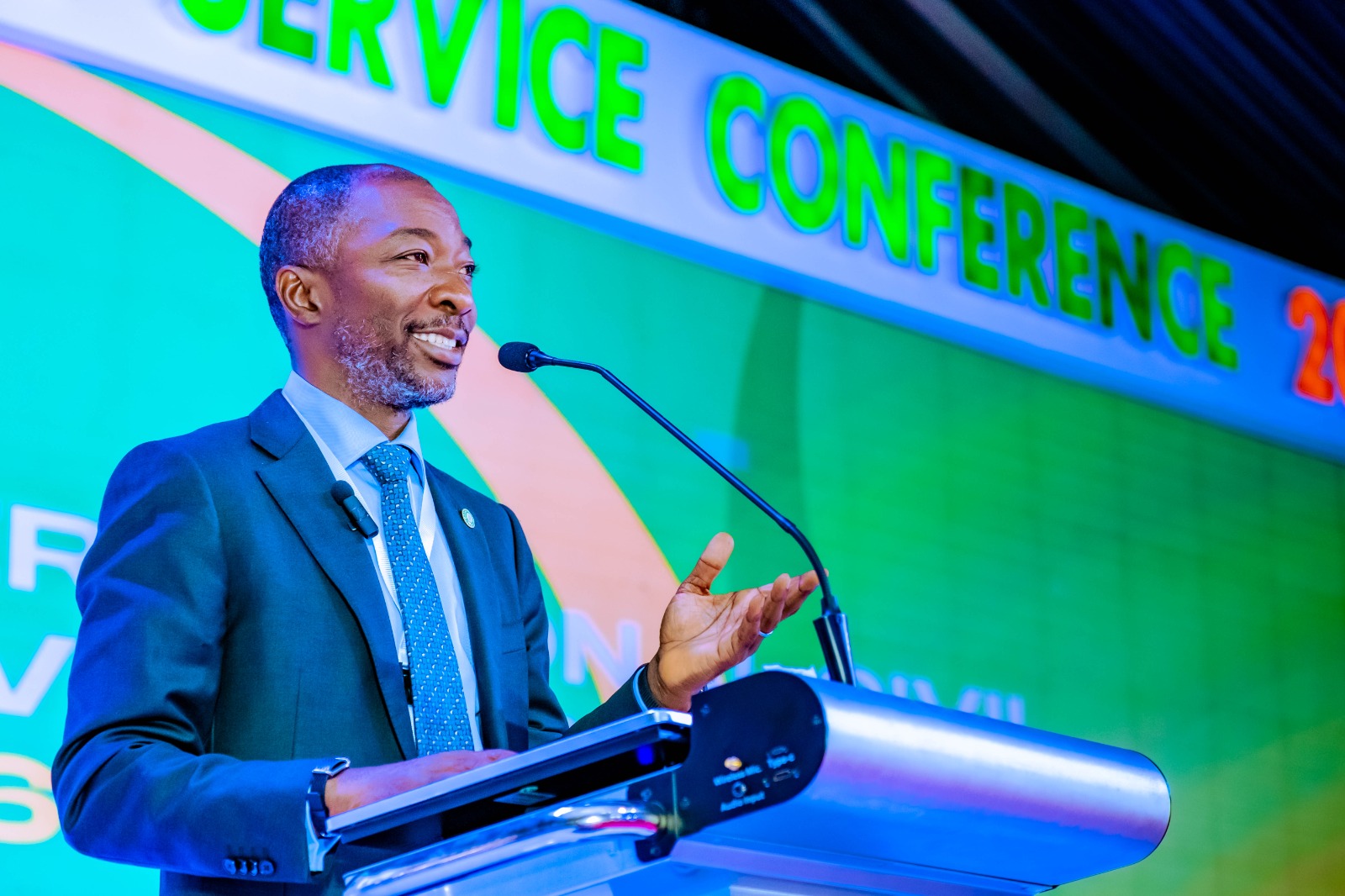
The Managing Director of the Fund, Barrister Oluwaseun Falaye, who disclosed these recently at the 2026 International Civil Service Conference in Abuja, said the Fund has enrolled over 7.6 million employees into the Employees Compensation Scheme (ECS) so far.
According to him, the Fund has recorded a historic first with the enrollment of the Nigeria Police Force into the scheme.
He spoke on his administration’s bold reforms since he assumed office two years ago, saying the Fund partnered with the Independent Corrupt Practices and Other Related Offences Commission (ICPC) to strengthen anti-corruption mechanisms within the Fund.
He said the NSITF empowered its Anti-Corruption and Transparency Unit and designated 120 staff as ACTU liaison officers across all our offices nationwide.
He said his administration also initiated a Memorandum of Understanding with the ICPC to formalise our collaboration.
He added: “This is not window dressing — it is a clear signal that the new NSITF operates on the non-negotiable principles of accountability and transparency.”
He hinted that the Fund is moving away from fragmented, paper-based systems towards integrated digital platforms that enhance transparency, speed, and public confidence”.
Faleye disclosed that: “We are investing in automated workflows, real-time tracking of claims, and standardised processing timelines. Our goal is simple: no Nigerian worker or their family should have to endure unnecessary delays when they are entitled to compensation under the law.
“On expanding coverage and compliance, we launched an aggressive campaign to take the Employees’ Compensation Scheme to every corner of this nation.
“We did not stop there. We took the Scheme directly to state governors. I led a team to governors of Lagos, Rivers, Delta, Sokoto and Taraba States, and in April 2026, we signed a landmark partnership with Lagos State to fully implement the ECS for state workers. We are advocating the integration of ECS Compliance Certificates into public procurement processes, so that companies bidding for government contracts must demonstrate that their workers are protected. This is how you move reform from policy documents to the lived reality of workers.”
He noted that a resilient public institution is one that can withstand pressure, adapt to change, and continue to deliver value even in the most difficult of times. And resilience begins with people.
“Civil servants are the engine room of governance. Therefore, protecting the workforce through effective occupational safety standards, social insurance systems, and inclusive welfare policies is not a luxury — it is a national imperative”.
He added: “When workers are protected, productivity improves. When institutions are stable, economies grow. When citizens trust public systems, national cohesion is strengthened.
“This is precisely why, under our leadership, the NSITF partnered with the Nigeria Employers’ Consultative Association (NECA) and the Nigeria Labour Congress (NLC) to lead the 2025 Safe Workplace Intervention Project (SWIP), auditing over 200 workplaces across the country. We are not waiting for accidents to happen before we act. We are building a culture of prevention.
“The Federal Government has also mandated the Employees’ Compensation Scheme for all federal public workers — a decisive step towards ensuring that no civil servant in this country is left unprotected.
“This directive affirms a fundamental truth: social protection must remain central to governance reforms. No nation can achieve sustainable development while neglecting the welfare and security of its workforce.
“The future of work is changing rapidly. Digitalisation, artificial intelligence, remote work systems, and evolving employment patterns demand that governments rethink traditional approaches to labour administration. Our institutions must therefore become proactive rather than reactive — anticipating risks, building safety nets, and empowering workers to thrive in the new economy.”