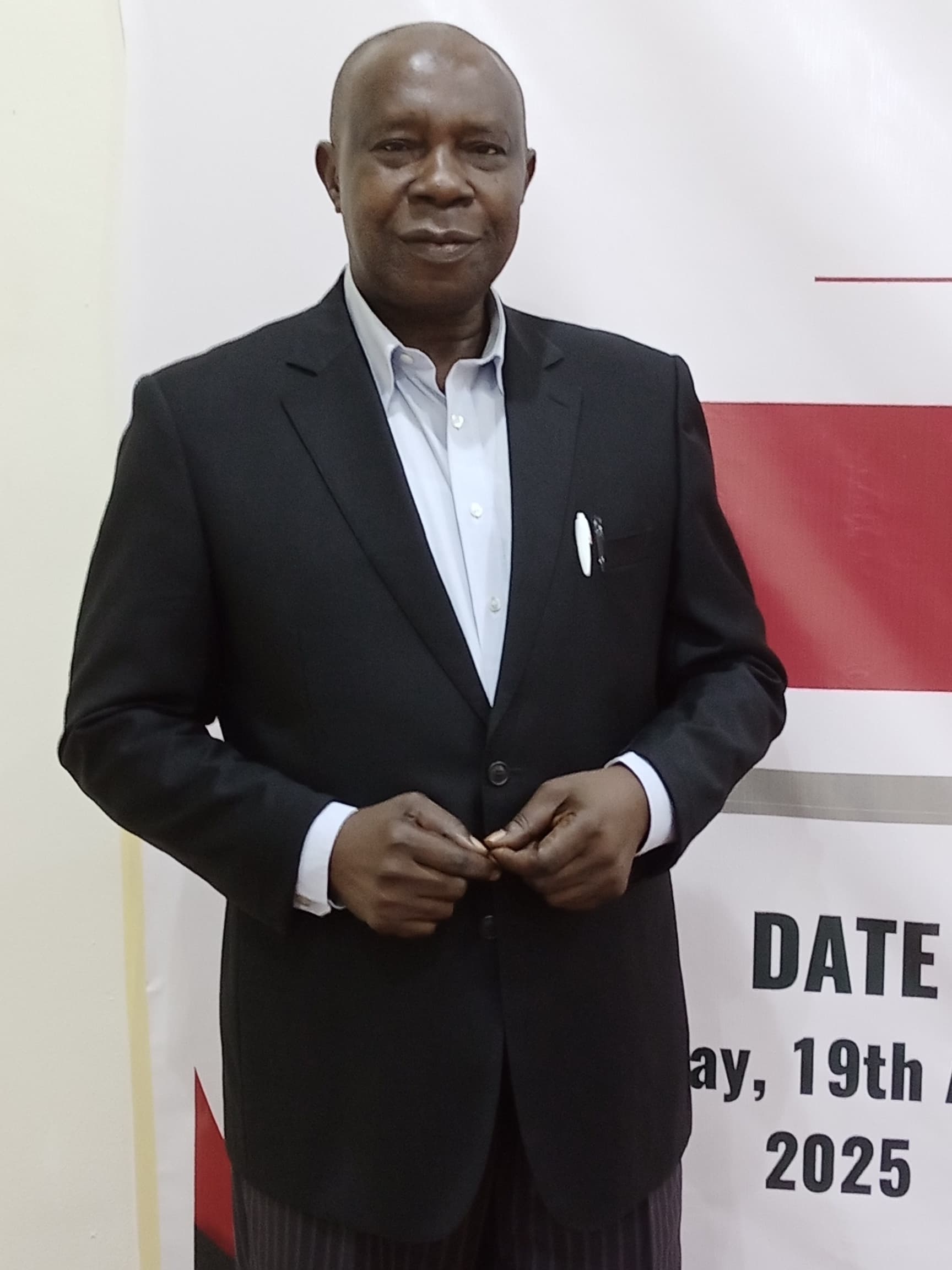

By Mohammed Bougei Attah
Public procurement corruption, PPC remains one of the greatest obstacles to sustainable development in Nigeria.Procurement accounts for a significant proportion of government expenditure—estimated at between 60 and 70 percent of public spending.
When corruption infiltrates this critical sector, the consequences are far-reaching, affecting infrastructure, service delivery, investor confidence, and the overall credibility of governance.
Although Nigeria has established legal and institutional frameworks to regulate procurement practices, weak enforcement, political interference, and poor professionalism continue to undermine the system.
Weak Adherence To the Rule Of Law
The enactment of the Public Procurement Act 2007 was widely regarded as a major step toward transparency, accountability, competition, and value-for-money in public spending. However, despite the strength of the law on paper, implementation remains inconsistent.
In many instances, contract awards are predetermined while bidding processes merely serve as formalities. Due process certifications are frequently manipulated or bypassed, and violations seldom attract meaningful sanctions.
This selective compliance weakens public institutions and creates an environment where impunity thrives.
Lack Of Professional Capacity
Procurement is a highly technical field that requires expertise in law, finance, engineering, auditing, and project management. Unfortunately, many procurement officers in public institutions lack the required certification, training, and practical experience.
Professional procurement bodies are often marginalized, while technical evaluations are replaced by administrative convenience or political directives. The result is poor project planning, inflated contract costs, weak supervision, abandoned projects, and substandard execution.
These deficiencies directly affect national development outcomes and reduce public trust in government projects.
Political Interference And Patronage
Political interference remains one of the most damaging features of Nigeria’s procurement environment. Projects are frequently inserted into budgets without proper feasibility studies, particularly under the popular “constituency projects” arrangement.
Contractors are selected based on political patronage rather than competence and capacity. Procurement timelines are also manipulated to serve electoral or personal interests.
Consequently, scarce public resources are diverted toward politically expedient projects rather than economically viable or socially impactful initiatives.
Corruption Across The Procurement Chain
Corruption occurs at virtually every stage of the procurement cycle.At the planning stage, budgets are inflated and “ghost projects” introduced.
During tendering, bid rigging, collusion, and insider manipulation compromise competitive bidding. At the execution phase, contractors often deliver substandard jobs, inflate variations, or deliberately delay delivery timelines.
Payment processes are equally vulnerable to kickbacks, false certifications, and fraudulent claims.The cumulative effect is massive leakage of public funds and poor delivery of essential public goods and services.
Weak Oversight Institutions
Institutions such as the Economic and Financial Crimes Commission (EFCC), Independent Corrupt Practices and Other Related Offences Commission (ICPC), and the Bureau of Public Procurement (BPP) were created to strengthen accountability and enforce compliance.
However, political influence often limits their independence and effectiveness. Investigations are sometimes selective, delayed, or abandoned altogether, while prosecution outcomes rarely translate into broader systemic reforms.
When oversight institutions are perceived as extensions of political authority rather than neutral regulators, public confidence deteriorates and accountability weakens.
The Developmental Consequences
The implications of procurement corruption are severe and visible across the country.Nigeria continues to face major infrastructure deficits as roads, hospitals, schools, and public facilities are either poorly constructed or abandoned midway. Inflated contracts reduce government’s fiscal capacity to fund other critical sectors such as education, healthcare, and social welfare.
The unpredictable procurement environment also discourages credible private-sector participation and reduces investor confidence. Ultimately, ordinary citizens bear the burden through poverty, inequality, unemployment, and poor public services.
Bridging The Gap Between Law and Practice
Nigeria’s challenge is not necessarily the absence of laws, but the persistent gap between legal frameworks and practical implementation. While structures and institutions exist, many practitioners lack the capacity, independence, and ethical commitment required to enforce compliance effectively.
This has created what may be described as a “compliance illusion” — a system where regulations exist formally, but expected outcomes remain largely unrealized.
The Way Forward
Addressing public procurement corruption requires practical and sustained reforms.
Professionalization of procurement practice through mandatory certification and continuous training is essential. The adoption of digital procurement systems can significantly reduce human discretion and improve transparency.
There must also be stronger sanctions for violations to restore deterrence and rebuild confidence in the system.
Oversight institutions should be insulated from political interference to enable independent investigations and enforcement.
Equally important is the role of civil society organizations and citizen engagement in demanding accountability and monitoring public projects.
Until enforcement becomes consistent, transparent, and independent of political influence, the developmental promise of Nigeria’s procurement laws will remain largely unfulfilled.
Attah is a public commentator, civil society expert, anti-corruption activist, and public procurement professional.