


By Idrisu Maidawa
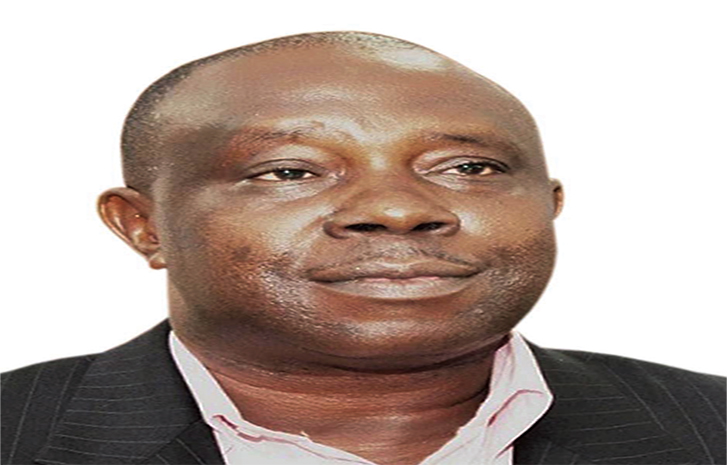
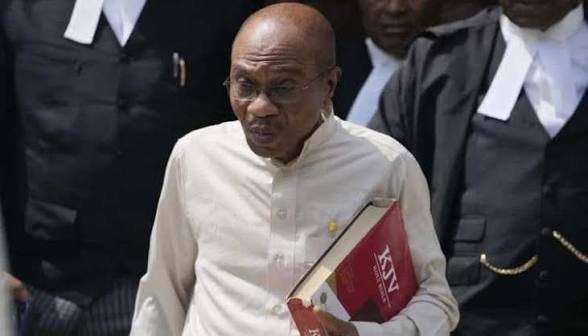
In 2019, Senator Bala Abdulkadir Mohammed was under the scrutiny of the EFCC when he ran to Bauchi and obtained immunity as Governor. Today, another Bala, – Bala Maijama’a Wunti, who is facing Senate accusations of ₦210 trillion discrepancies in the NNPC books between 2017 and 2023 lingering over his head, is now attempting to seek refuge in the Bauchi Government House.
Is Bauchi truly a paradise for immunity seekers?
The argument is stark, but it is not without merit: Bauchi is at risk of being reduced to a political safe haven where ambition is driven less by service and more by survival.
The article raises a critical red flag; when the governorship becomes attractive primarily because of constitutional immunity, governance is already compromised before it begins.
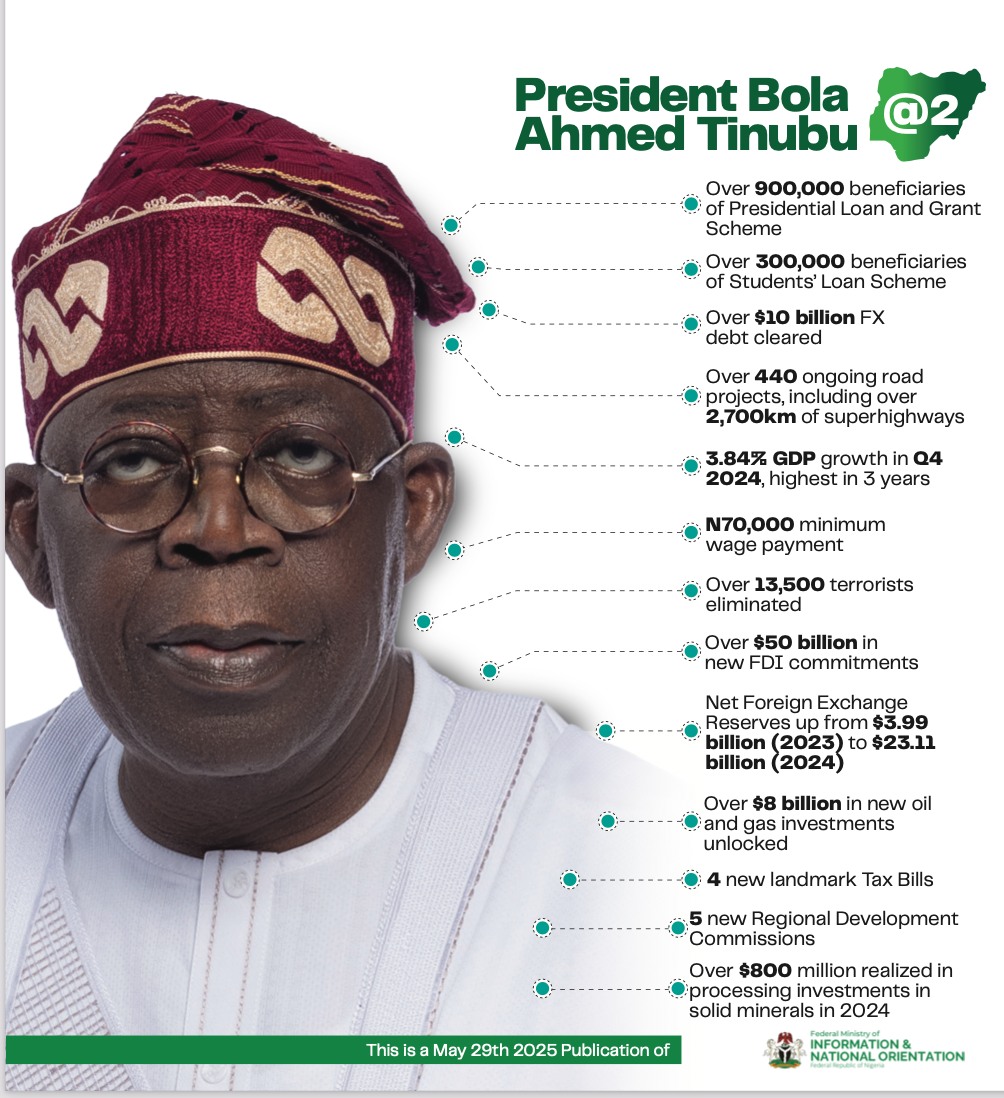
At the center of this concern is Bola Ahmed Tinubu’s reformist image. His administration has taken bold economic steps, but reforms cannot coexist with political contradictions. If individuals facing persistent allegations, whether proven or not, continue to find soft landings in power, then the credibility of that reform agenda is weakened at its core.
The reference to Bala Abdulkadir Mohammed is particularly instructive.His emergence in 2019 under the shadow of EFCC scrutiny created a perception problem that has not fully dissipated. Whether one agrees with the allegations or his defense, the optics matter, and in politics, optics often define reality. Governance must not only be clean; it must also be seen to be clean.
Now, the attempt to reproduce a similar succession pattern through figures like Bala Maijama’a Wunti raises deeper concerns. The accumulation of petitions, media scrutiny, and unresolved questions, regardless of legal outcomes, creates a dangerous narrative: that Bauchi’s highest office is gradually becoming a revolving door for politically exposed individuals seeking institutional cover.
For example, the Nigerian Senate is investigating the NNPCL over an alleged, unexplained ₦210 trillion discrepancy in its audited financial statements covering 2017 to 2023. The investigation involves ₦103 trillion in alleged joint venture cash calls and ₦107 trillion in unidentified sundry receivables.
The Senate Committee on Public Accounts, chaired by Senator Ahmed Wadada, has demanded a forensic audit and reconciliation of these figures, describing the accounts as containing massive liabilities that lack supporting documentation.
But beyond personalities, the real issue is structural decay. When a state begins to normalize this pattern, it sends a message to its people: that leadership is not about vision, competence, or integrity, but about timing, protection, and elite arrangements. That is how public trust collapses.
Bauchi cannot afford that trajectory, especially heading into 2027. The state stands at a crossroads. It can either recycle familiar power blocs tied to controversy, or it can embrace a genuine reset anchored on credibility and performance.
The future lies in fresh hands—leaders unburdened by lingering allegations, individuals with clear records, innovative thinking, and the grassroots capacity to mobilize real political support.
For the APC and President Tinubu, this is not just a state-level calculation; it is a strategic necessity. The 2027 general election will not be won on legacy alone, but on trust, perception, and delivery. Bauchi must produce candidates who can energize voters, not divide them—candidates who represent renewal, not recycled baggage.
New ideas matter. New thinking matters. But more importantly, if Bauchi is to contribute meaningfully to the APC’s electoral strength in 2027, it must reject the politics of immunity and embrace the politics of legitimacy. The era of using public office as a shield must give way to an era of public office as service.
Anything short of that is not just a political miscalculation; it is a betrayal of both the people of Bauchi and the reform promise of President Tinubu’s administration.
Maidawa writes from Wunti, Bauchi.