
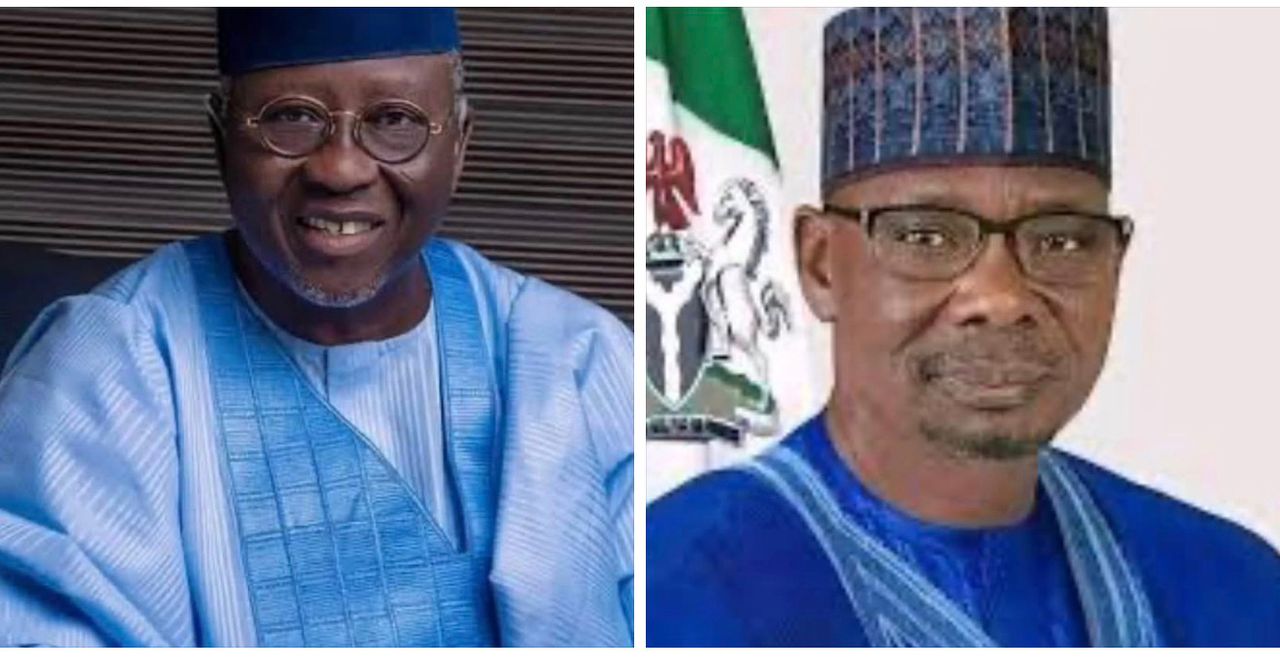

The article “Confusing Signals From Nasarawa” by one Kabiru Dan Mallam is, in itself, a work in contradictions. In politics, reality checks are not only important but necessary. Unfortunately, the piece attempts to flip facts upside down and present a narrative that neither reflects the political history of Nasarawa State nor the towering influence of Senator Tanko Al-Makura.
Comparing the political strength of former Governor Senator Tanko Al-Makura to that of Governor Abdullahi Sule; whom Al-Makura helped to power, is like comparing the strength of an elephant to that of an ant. This is not to diminish the office of the incumbent, but to underscore the undeniable reality that Al-Makura built the political architecture and structure upon which the current administration stands.
He midwifed the APC’s emergence in Nasarawa, consolidated its structures, and delivered victory at a time when doing so required political courage, organization, and grassroots acceptance.
The claim that Senator Al-Makura is attempting to jettison zoning is also misleading. What he advocates is simple and democratic: let the people decide who should lead them. That position does not undermine unity; rather, it strengthens internal democracy. Democracy thrives on open participation, not restrictive arrangements that deny party members the freedom to choose.
Accusing Al-Makura of creating division among stakeholders is equally contradictory. If anything, the Governor himself is a beneficiary of the very political strategy built by Al-Makura. It is on record that Al-Makura played the decisive role in bringing Governor Sule to power. To now portray the same political leader as divisive is to ignore history and distort facts.
Almakura used diplomacy, outreach, and fair play to bring in Abdullahi Sule as governor despite Sule’s weak standing. In contrast, Governor Sule has failed to adopt the same approach to win the hearts of stakeholders and the people of Nasarawa State. Instead, he has resorted to moving from one pillar to another, trying to sell a narrative that is politically infeasible. Local politics requires a local approach- period.
Furthermore, suggesting that Al-Makura is projecting a parallel authority betrays a misunderstanding of his political stature. A leader who has worked day and night promoting the APC, from the federal level to the grassroots, cannot be accused of undermining the same structure he helped build.
His political journey speaks for itself: from youth leadership in the National Party of Nigeria in the 1980s, to Constituent Assembly member, state party administrator, governor, senator, and now a national party leader. Such a trajectory reflects experience, not rivalry; mentorship, not division.
The allegation that he is aligning with alternative blocs or misleading aspirants as a “lord of the manor” is nothing but bunkum. Senator Al-Makura remains a unifying factor, a statesman, and a political reservoir whose influence cuts across party lines and demographics.
His engagement with aspirants is rooted in strengthening the party by encouraging credible, experienced, and loyal candidates. Those who feel threatened by his political relevance are understandably the loudest in manufacturing crisis narratives.
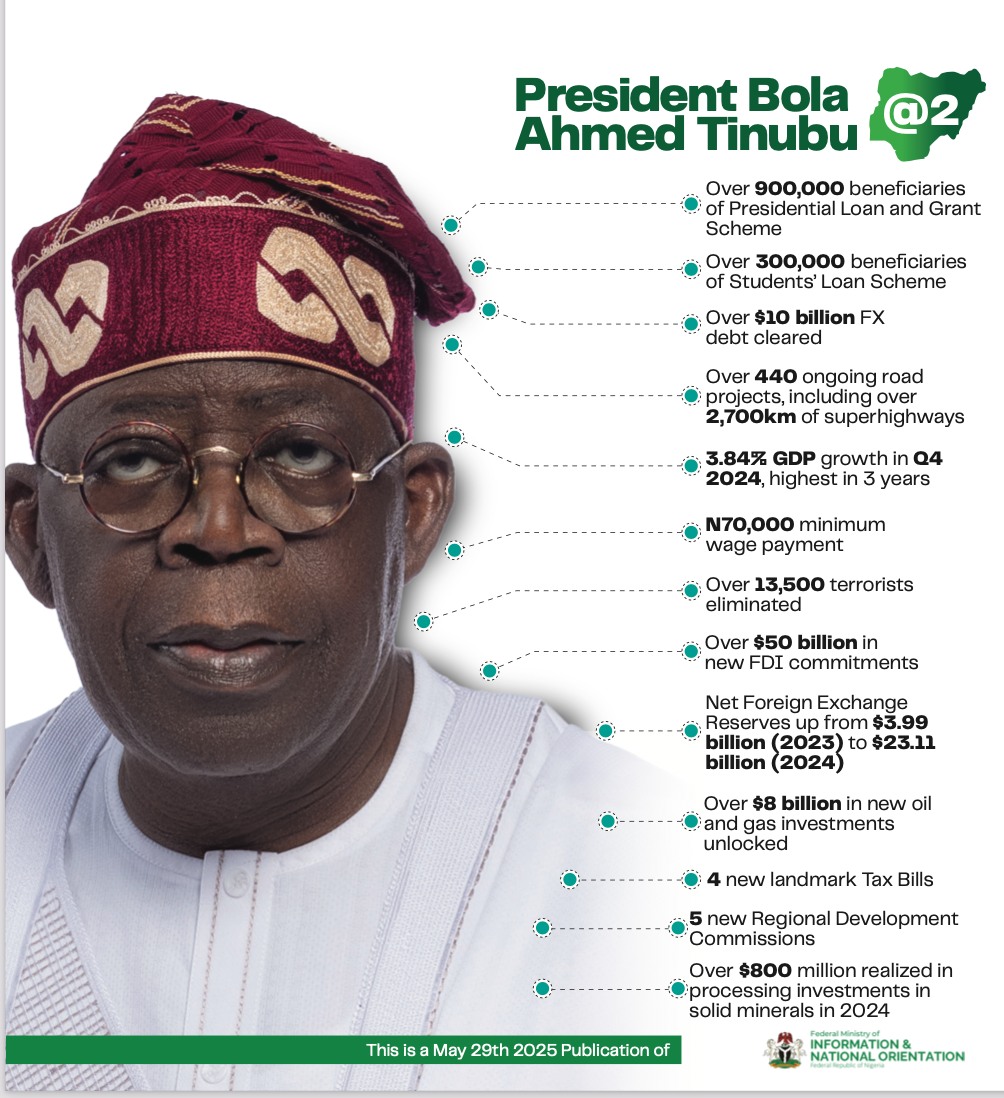
It is also instructive that his selection as North Central Coordinator of the Renewed Hope Ambassadors by President Bola Ahmed Tinubu did not happen by chance. It is a recognition of loyalty, capacity, and his proven ability to mobilize support for the APC. Leaders entrusted with such responsibility cannot simultaneously be painted as liabilities to party unity.
Rather than creating confusion, Senator Al-Makura continues to promote cohesion, consultation, and inclusiveness. The APC in Nasarawa remains strongest when it draws from his experience, grassroots reach, and stabilizing influence. Attempts to diminish his role do not strengthen the party; they only distort reality.
Unity is indeed the party’s most valuable currency, but unity built on respect, fairness, and recognition of contributions. Senator Tanko Al-Makura embodies these values. He remains not only a founding pillar of the APC in Nasarawa State but also a bridge builder committed to the party’s victory today and in the future.