


The Academic Staff Union of Educational and Associated Institutions (NASU) has said that the embrace of Artificial Intelligence in work places wont create unemployment.
The future of work is not to be feared, but to be shaped, and Artificial Intelligence, if embraced wisely, can be a tool for liberation rather than oppression, the union also said.
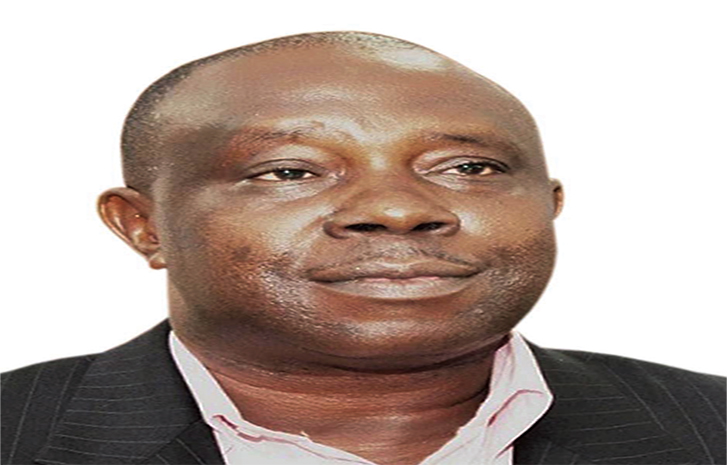
Its General Secretary, Prince Peters Adeyemi, disclosed these on Friday in Ibadan, at the 2025 Labour Writers Association of Nigeria (LAWAN) workshop with the Theme: “Future of Work in the Era of Artificial Intelligence (AI) for Stakeholders.”
He maintained that AI will enhance productivity, save time, and empower workers who are willing to embrace it.
He cautioned that those who adopt AI must not become complacent or lazy, adding that ultimate responsibility rests with the worker, not with the machine.
He emphasized:”AI cannot think for us, nor can it take responsibility for our work. Its limitations including the now well-known challenge of hallucinations, mean that we must critically scrutinize and refine whatever output it generates.”
“No matter how advanced technology becomes, the struggle for economic justice, decent work, fair wages, and respect for human dignity will always remain. These are battles that machines cannot fight for us. They are struggles that rest squarely on the shoulders of the labour movement, of writers like you, and of workers everywhere.”
According to him, technology alone will not guarantee a just and prosperous future of work, stressing that conscious attention must placed on economic and governance issues at the centre of this discourse.
He disclosed that for decades, the labour movement has engaged governments on the dangers of neoliberal economic policies that consistently undermine the welfare of workers while prioritizing profit and elite interests.
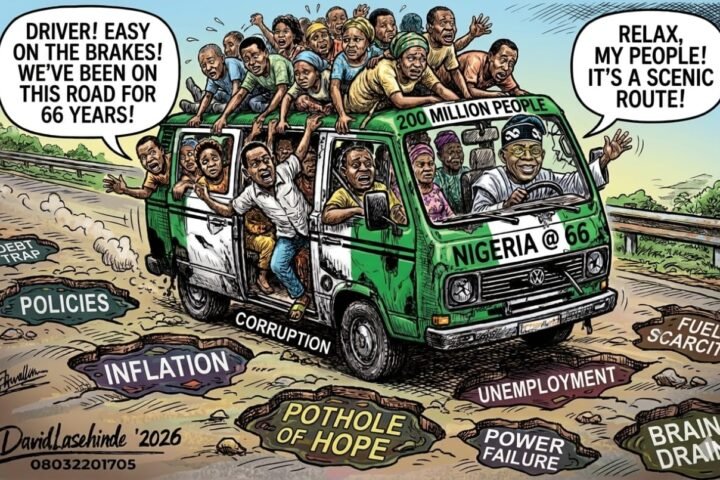
He lamented that corruption has eaten deep into the fabric of governance in Nigeria,to the extent that so much so that it is now an economic policy in itself, since every government has been and continues to be submerged in corruption.
He added:”The devastating consequences are evident: weakened institutions, deteriorating job security, compromised public services, and a workforce that is constantly pressed down by shrinking wages and eroded benefits.
“This situation has given rise to a dangerous compression of wages, where workers in both the public and private sectors face declining real incomes in the midst of rising inflation and worsening living conditions. At the same time, businesses, driven by the insatiable pursuit of profit for shareholders continue to sacrifice the welfare of workers on the altar of greed.”
He urged labour writers to ensure that the concerns of Nigerian workers are not drowned by corporate propaganda or government excuses.
He added:”I am not unaware of the peculiar challenges you, as labour writers, face in discharging your responsibility. Mainstream media houses are often compromised by the political leanings of their proprietors, while independent bloggers must write cautiously, wary of losing sponsors or alienating patrons.
“Yet, history teaches us that progress is made when truth is spoken boldly, regardless of the obstacles. Your courage and independence as labour writers remain essential to the survival and progress of the labour movement in Nigeria.”