

The Industrial Policy Commission of the Nigerian Economic Summit Group (NESG),has explored roadmap for Nigeria to transition from a resource-dependent economy to a competitive, technology-driven industrial hub.
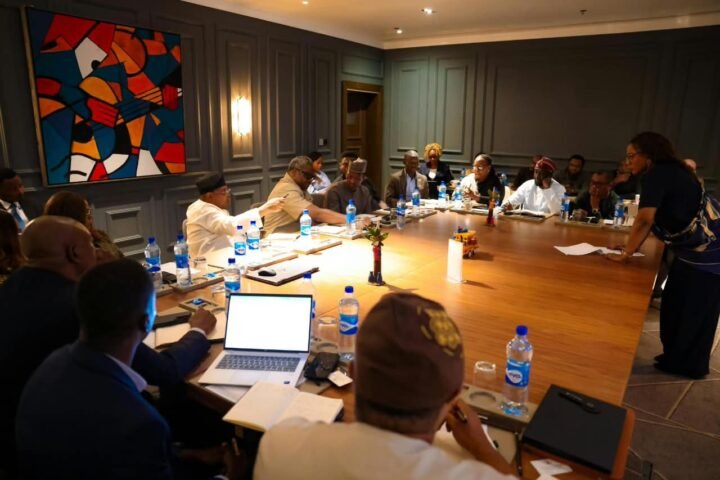
The group explored this at a high-level policy dialogue on “Unlocking Industrial Growth: Leveraging Latent Commodity Clusters,” held as part of the NES#31 Pre-Summit series on unlocking industrial growth series charts path for Nigeria’s resource-based Industrialisation.
Policymakers, industry leaders, and academics were on hand to deliberate on how Nigeria can build integrated commodity-based industrial clusters in mining, agriculture, and steel sector, drawing lessons from the oil and gas sector and global best practices.
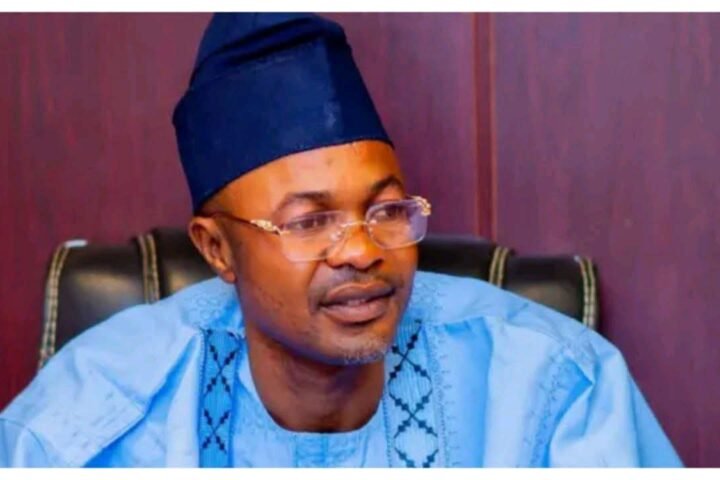
Speaking, Dr. Muda Yusuf, Facilitator of the NESG Industrial Policy Commission, posed a central question: “Can Nigeria harness its vast commodity base to create integrated clusters that drive sustained industrial growth and transformation?”
He said while the country is richly endowed with hydrocarbons, solid minerals, and agricultural commodities, its industrial ecosystem remains fragmented.
In his keynote address, Prof. Osita Agbu, Deputy Vice-Chancellor (Academic), Baze University Abuja, highlighted the catalytic role of oil and gas in reviving Nigeria’s dormant steel industry.
According to him, the oil and gas cluster provides a template for integration, noting that with the Nigerian Oil and Gas Industry Content Development Act and the Petroleum Industry Act in place, there is an opportunity to align steel production with the energy value chain to create powerful economic linkages and support industrial policy renewal.
He further underscored Nigeria’s limited progress in steel development despite its abundant natural endowments, pointing out that per capita steel consumption remains at about 10kg, among the lowest in Africa and globally.
He explained that linking the oil and gas sector to steel production could accelerate industrialisation and unlock new pathways for growth.
In his remarks, Dr. Umar Hassan, President of the Nigerian Society of Mining, emphasised that limestone extraction is among Nigeria’s top contributors to royalty revenues and holds significant potential to drive industrialisation.
He advocated the need for strong community participation, reliable off-taker arrangements to guarantee markets, and government commitment to industrialisation, stressing that challenges must be clearly identified so that effective strategies can be designed to overcome them.
Dr. Laura Ani, Co-Thematic Lead for Mining at the NESG Industrial Policy Commission, stressed that effective mineral governance requires complementary participation between government and communities to ensure beneficiaries influence projects that affect their well-being.
Mrs. Fatimah Abdulfatai, Vice Chairman of Kursi Group, highlighted opportunities in Nigeria’s expanding mineral sector for local value addition.
She noted that while sectors such as jewelry and construction show strong domestic demand, high-tech manufacturing still offers limited opportunities and requires further development.
She said that Krusi Group is focused on meeting local demand to ensure more value is retained in the country, adding that the growing appetite for refined goods presents a chance to strengthen local industries and broaden Nigeria’s economic base.