

The Nigerian Upstream Petroleum Regulatory Commission, NUPRC, and the Federal Ministry of Defence have agreed to work closer on securing Nigeria’s oil and gas infrastructure using non-kinetic strategies.
The approach focuses on boosting production stability and improving community engagement around oil assets, instead of relying only on force.
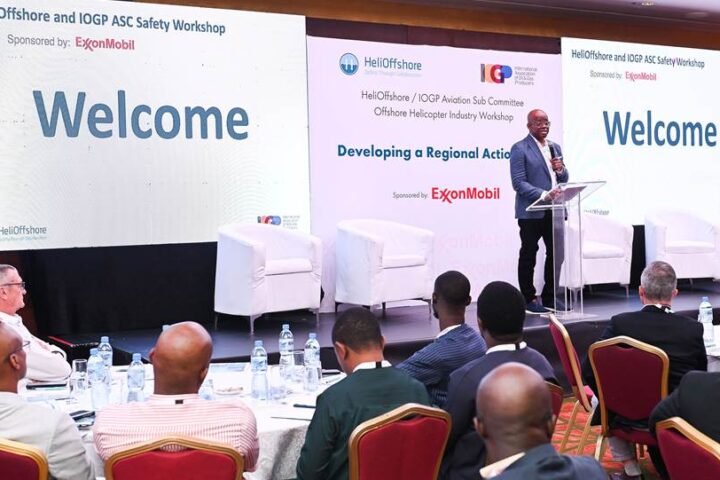
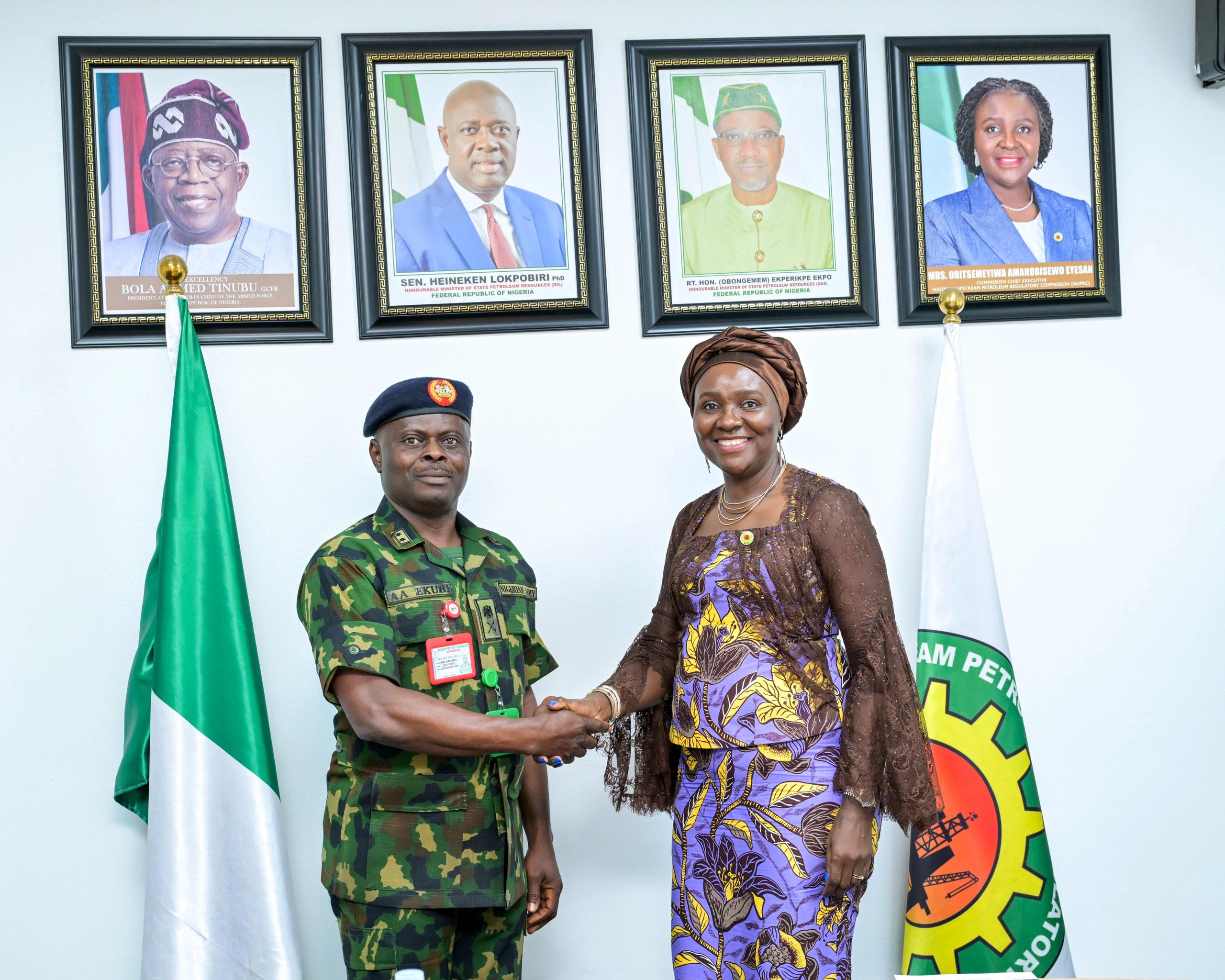
Eniola Akinkuotu, Head of Media and Corporate Communications at NUPRC, disclosed that the agreement was reached during a courtesy visit by a Defence Ministry delegation to the Commission’s Abuja headquarters on Tuesday.
At the meeting, the Commission Chief Executive of NUPRC, Mrs. Oritsemeyiwa Eyesan, highlighted the long-standing partnership between the Commission and security agencies in tackling crude oil theft and safeguarding critical energy assets.
“Today, we are benefiting from those efforts. Last month, we recorded production of nearly 1.8 million barrels per day throughout the month,” Eyesan stated.
She noted that sustained investment in security, technology deployment and human resources had been instrumental in achieving these gains.
She emphasised the need to further strengthen production assurance as Nigeria seeks to increase output and attract new investments into the upstream sector.
“As we look to the future, we desire to grow production and must have assurances that security threats can be effectively managed. We can only achieve this through stronger collaboration with security agencies and industry stakeholders,” she added.
She also underscored the importance of deploying advanced technologies, including drone surveillance, to monitor the extensive footprint of oil and gas operations across the country.
She disclosed that the Commission would work with industry operators to refine and promote the new security framework, with NUPRC taking a leading role in galvanising stakeholders and establishing a governance structure to ensure long-term sustainability.
The Minister of Defence, General Christopher Gwabin Musa (Rtd), who was represented by his Senior Special Assistant, Major General Ekubi, explained that the Ministry was introducing a non-kinetic national security intervention model focused on promoting stability in Nigeria’s upstream petroleum sector.
According to him, sports-based youth engagement initiatives would form a key component of the strategy, aimed at addressing the root causes of insecurity in oil-producing communities.
“One of the best ways to engage youths in oil-producing areas is through sports-based interventions,” he said, stressing that the initiative would include structured programmes for persons with disabilities.