
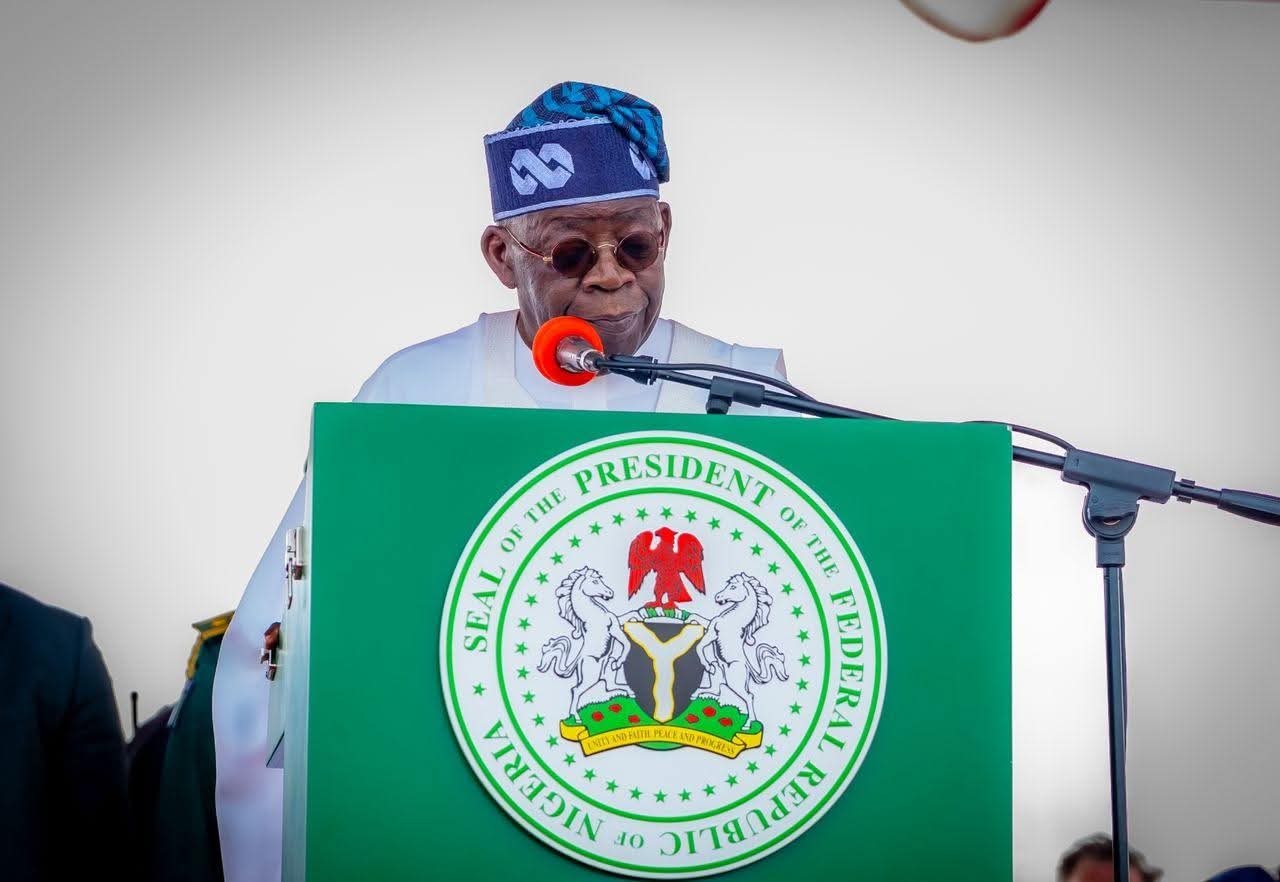

The Presidency has punctured recent claim by a former presidential aspirant, Peter Obi’s that President Bola Tinubu guaranteed 24-hour electricity for all Nigerians during his campaign.
The presidency calls it “misleading” and “misquoted for mischief.”
In a statement , the presidency said what the then-candidate actually said in Lagos was: “Whichever way, by all means necessary, you will have electricity, and you will not pay for estimated bills anymore… If I don’t keep the promise and I come for a second term, don’t vote for me—unless I give you adequate reasons why I couldn’t deliver.”
According to the statement, Tinubu’s first policy act was signing the Electricity Act, which allows states to generate, transmit, and distribute power independently of the national grid.
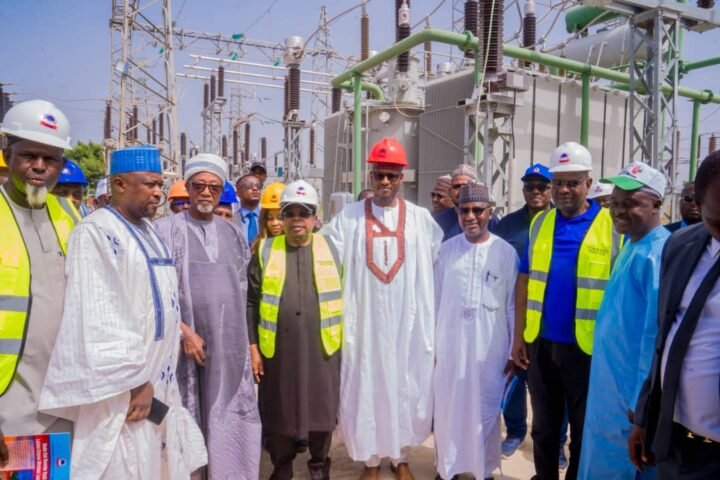
It added that the administration has rolled out millions of prepaid meters to end estimated billing, with plans for 7 million more. Power generation is rising and off-grid solar is being deployed to schools, hospitals, and markets nationwide, it said.
The Presidency identified transmission gaps and sustainable pricing as the remaining challenges, noting both are being addressed to attract investment.
Defending Tinubu’s record on reforms, the presidency cited switch from petrol/diesel to CNG and interest-free loans for nearly 2 million tertiary students.
“Are conditions worsening when, in three years, we have recorded no disruption of the academic calendar by ASUU or NASU?” the statement asked. “That is one campaign promise kept: a four-year programme will be a four-year programme.”
The Presidency said faulted Peter Obi’s claim that Nigeria is in “the worst possible condition”, saying his statement ignores economic data and global ratings of President Tinubu’s policies.
It said Tinubu inherited what Obi’s successor described as “a dead horse economy” in May 2023.
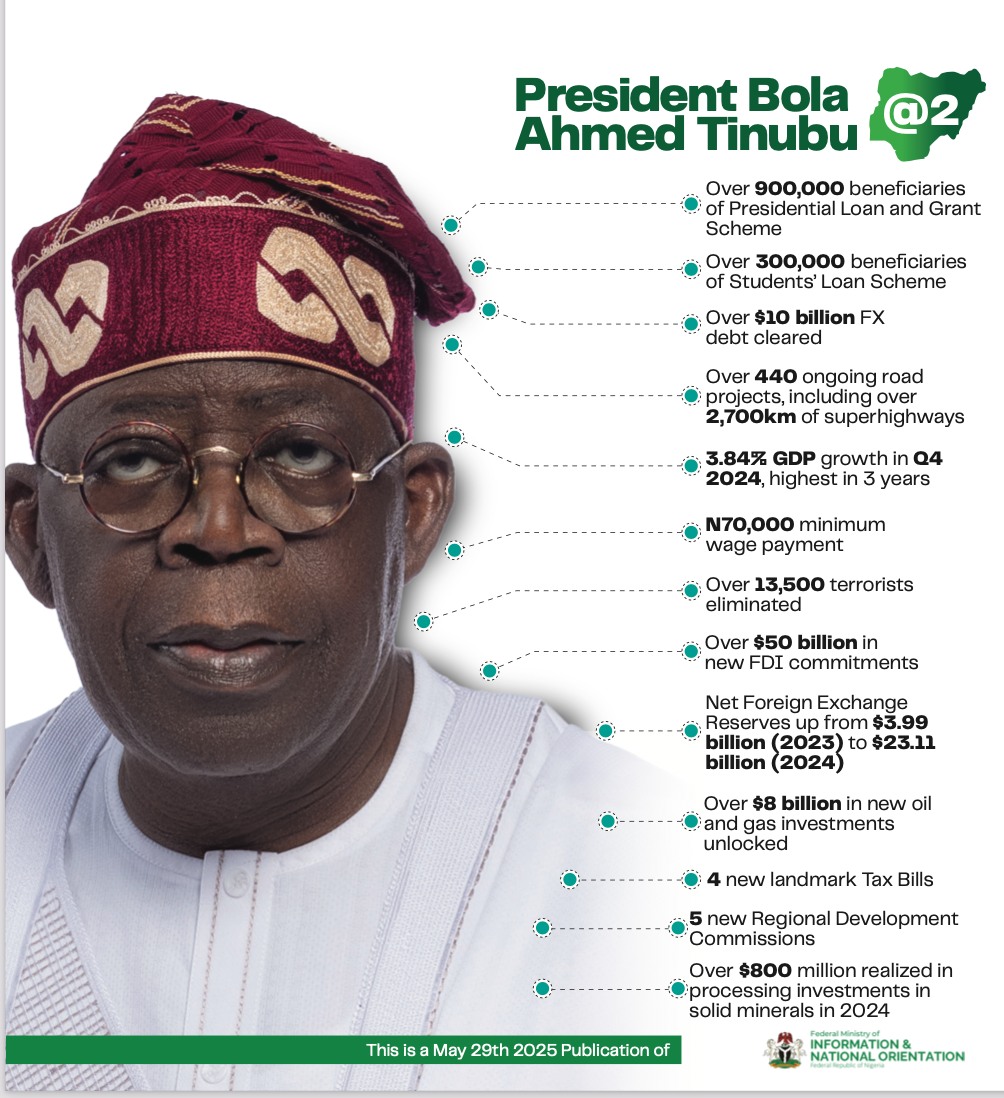
It explained that the President then introduced reforms that predecessors avoided. Since then, Nigeria has posted positive GDP growth every quarter, above the global average. Trade surpluses have been consistent and foreign reserves have risen above $50 billion.
Oil production has also recovered, climbing from under 1 million barrels per day to about 1.8 million bpd. Federation revenue is projected to exceed N30 trillion this year, up from N7.7 trillion in 2022. By May 2026, N15.7 trillion had already been collected — more than double the entire 2022 figure. States now have more funds for education, infrastructure, healthcare, housing and other projects.
The stock market has surged too, with the All-Share Index rising from 50,000 to over 250,000 and creating wealth for about 6 million investors. The Naira-dollar rate has stabilised and foreign investments are at record highs, especially in oil and gas.
Commenting on infrastructure, the statement said Tinubu has delivered concrete roads built to last 100 years across all geopolitical zones. It cited the Lagos-Calabar and Sokoto-Badagry superhighways as projects “dreamt of for decades” now being actualised.
The Presidency admitted Nigerians still face a high cost of living, but called it a global problem driven by Middle East tensions.
It noted that as inflation was easing locally, US-Israel strikes on Iran and Iran’s closure of the Strait of Hormuz disrupted global supply chains and pushed up crude and commodity prices.