

By Kwaji Zira
When the incumbent Governor of Adamawa State, Governor Ahmadu Umaru Fintiri, made it clear that his successor must be a grassroots politician and emphatically stated that he is not anointing any candidate but that all aspirants must present themselves before the people to earn their mandate, he was not merely making a statement. He was setting a standard. A standard rooted in democratic legitimacy, inclusiveness, and true representation. On this, Governor Fintiri was absolutely right.
The question, therefore, is not just who wants to govern Adamawa State, but who truly fits into this clearly defined expectation of leadership.
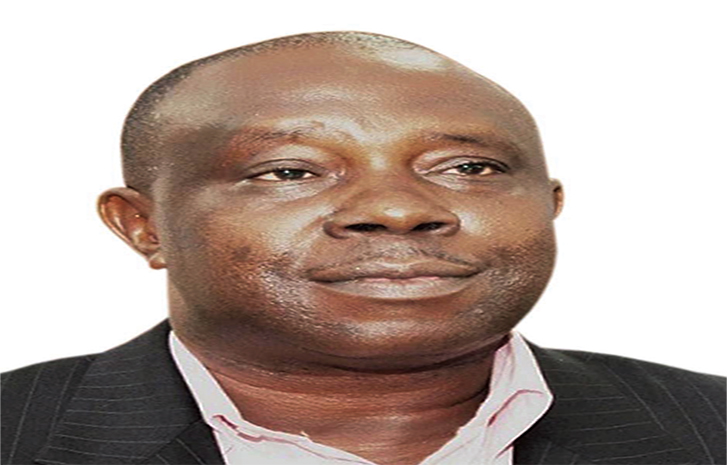
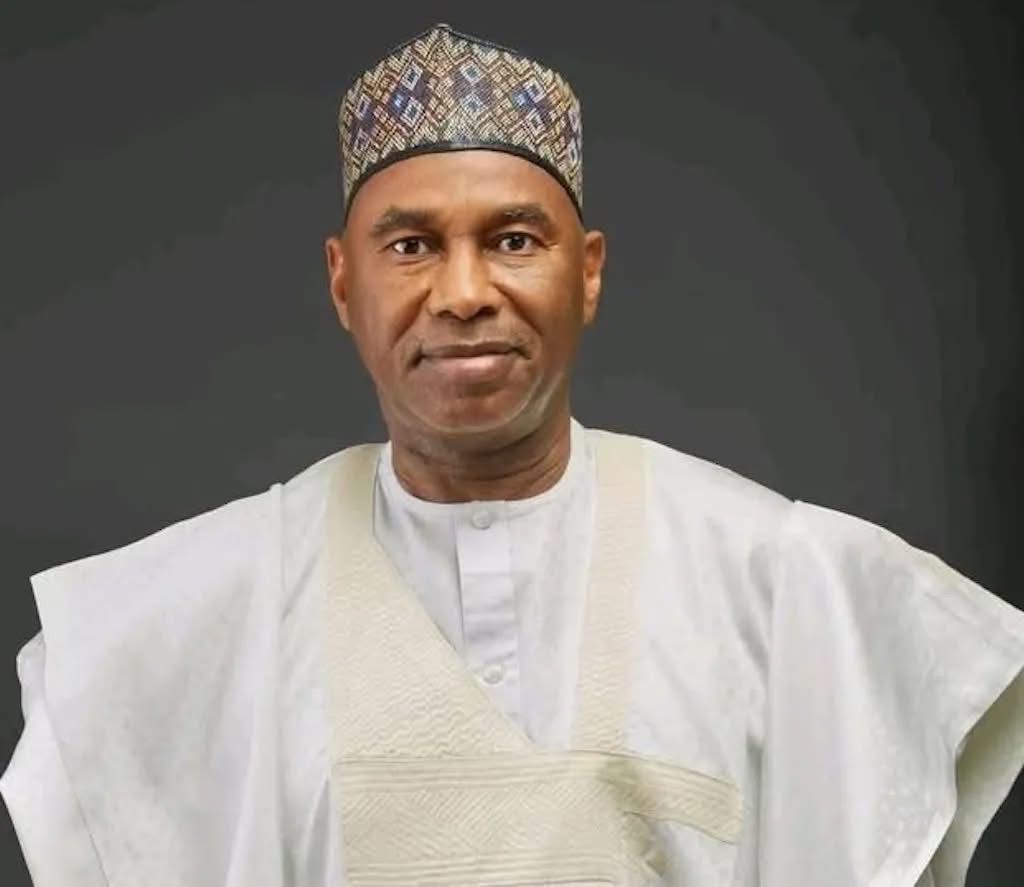
This is where Tijjani Galadima Ahmed Aminu stands out. Tijjani Galadima is not a stranger to politics, nor is he a product of opportunistic ambition. His political journey dates back to his formative years as a student activist, at a time when student politics was not driven by convenience or popularity, but by ideology, intellectual engagement, and conviction.
It was an era when students immersed themselves in global political thought, understanding the ideological divide between communism and capitalism, South and North worlds, engaging with historical movements, and drawing lessons from the political philosophies of NEPU, NCNC, and NPC.
These were not just acronyms, but schools of thought that shaped leadership, discipline, and vision.
In that environment, Tijjani was not on the sidelines. He was actively involved, learning, engaging, and building a foundation that continues to define his political outlook today. Beyond activism, he remained committed to academic excellence, making him not just politically aware but intellectually grounded.
This rare combination of ideological depth and practical understanding of grassroots dynamics is what makes him a complete political actor. He understands the language of the people because he has grown with the people.
So, does Tijjani come seeking an easy path to power? The answer is a resounding no. At a time when many would cling to the comfort and privileges of public office, Tijjani made the bold and principled decision to resign from his position as Executive Secretary of the PTDF.
That single act speaks volumes. It reflects courage, sacrifice, and a willingness to subject himself to the judgment of the people. It is not the action of a man looking for shortcuts, but of one ready to earn his place through legitimacy.
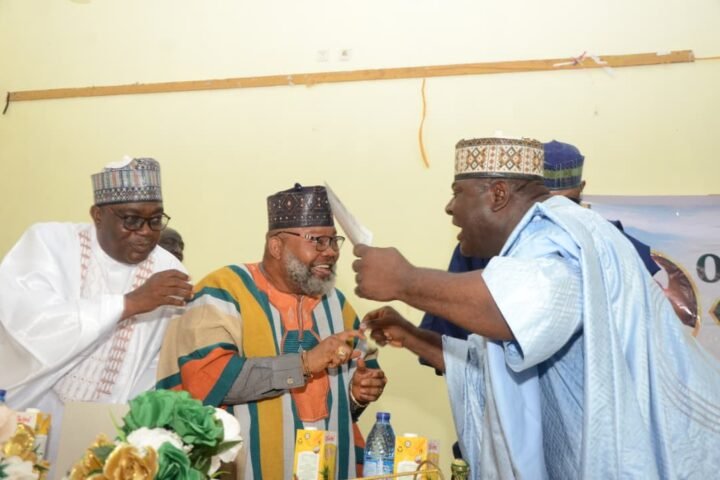
Since then, he has embarked on wide consultations across the state, meeting critical stakeholders, engaging community leaders, interacting directly with the masses, and inspiring a growing network of supporters who are organizing meetings, dialogues, and strategic discussions on his behalf.
This is grassroots politics in action. It is not imposed, not manufactured, but organic and people driven.
Furthermore, with the provisions of the 2026 Electoral Act as amended, which allows for either direct primaries or consensus arrangements, Tijjani has demonstrated readiness for both pathways. This flexibility is not weakness. Rather, it reflects political maturity, adaptability, and respect for party processes.
Tijjani Ahmed Galadima Aminu represents more than just another candidate. He embodies a paradigm shift in Adamawa politics. He is calm but highly calculative, measured yet decisive. He possesses a deep understanding of the immediate needs of local communities, while also appreciating the demands of a rapidly evolving global environment.
His exposure across both the private and public sectors has equipped him with the technical competence, administrative experience, and strategic thinking required to not only sustain the developmental strides already being witnessed in Adamawa State but to expand and deepen them.
At a time when leadership must bridge divides, inspire trust, and deliver tangible results, Tijjani offers a unifying presence. He is not sectional, not narrow in outlook, but broad based, inclusive, and forward looking. His approach to governance is one that accommodates all voices, integrates all interests, and prioritizes collective progress over individual ambition.
Adamawa stands at a critical juncture. The next phase of its development requires not just continuity, but transformation. It requires leadership that understands where the state is coming from, where it stands today, and where it must go next.
In Tijjani Galadima Ahmed Aminu, that leadership finds a compelling expression. As he declares today, let us meet again in Part III.
Kwaji Zira writes from Michika, Adamawa State.