

By Aminu Sule
Yusuf Baduku’s write-up is a classic example of how emotion, bias, and outright misinformation can be dressed up as opinion. While such commentary often does not deserve a response, there are moments when silence would amount to allowing falsehood to fester. This is one of those moments.
When people speak on serious public matters, it is only proper to first examine their antecedents. More often than not, that exercise reveals whether a response is even necessary. However, when an individual chooses to voice outright bunkum on behalf of the masters, it becomes necessary to inject some much-needed sense into the conversation.
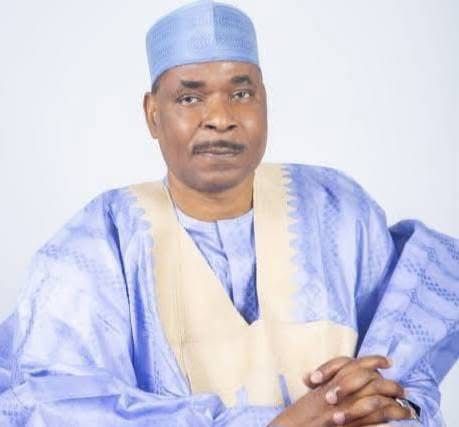
It is therefore both astonishing and disappointing that Yusuf Baduku would make such reckless and dismissive statements about Mohammed Abubakar Adamu, a former Inspector General of Police of Nigeria, a respected figure within international policing circles, including INTERPOL, and a man widely acknowledged for his depth, experience, and composure.
This is not a man given to careless talk. He is well-read, urbane, disciplined, and speaks from a position of facts and informed judgment, not from the shallow end of political noise.
Beyond his national service, Mohammed Abubakar Adamu has made tangible and enduring contributions to Lafia and the entire Nasarawa State. His interventions in community development, support for local initiatives, and consistent engagement with the people have left visible marks, quietly impactful, yet widely acknowledged by those who understand substance over propaganda. He has remained connected to his roots, contributing to the growth, stability, and visibility of Lafia and Nasarawa on both national and international stages.
It must also be clearly stated that what he said about Lafia is not a mere statement crafted for political convenience, as some have become accustomed to. It is grounded in reality, an honest reflection of facts as they exist.
Truth, no matter how uncomfortable, does not become false simply because it challenges certain interests or narratives. Attempting to dismiss such observations through emotional outbursts only exposes a refusal to confront reality.
Furthermore, to reduce his tenure as Inspector General to a narrow, one-sided narrative is not only misleading but intellectually dishonest. The security challenges Nigeria faced during that period were complex and systemic.
Leadership in such circumstances requires coordination across multiple institutions, and it is simplistic to heap collective national challenges on one individual while ignoring broader structural issues.
The truth remains that Mohammed Abubakar Adamu stands as one of the finest Inspectors General Nigeria has produced. His record speaks for itself, and his reputation within the global security community commands respect.
That standing was not built on noise or opportunism, but on years of disciplined service, professionalism, and unwavering commitment.
In the end, no amount of politically motivated criticism can erase a legacy grounded in service and impact. Those who choose distortion over truth should understand that credibility is earned through substance, not through reckless commentary.
Aminu Sule writes from Lafia, Nasarawa state.