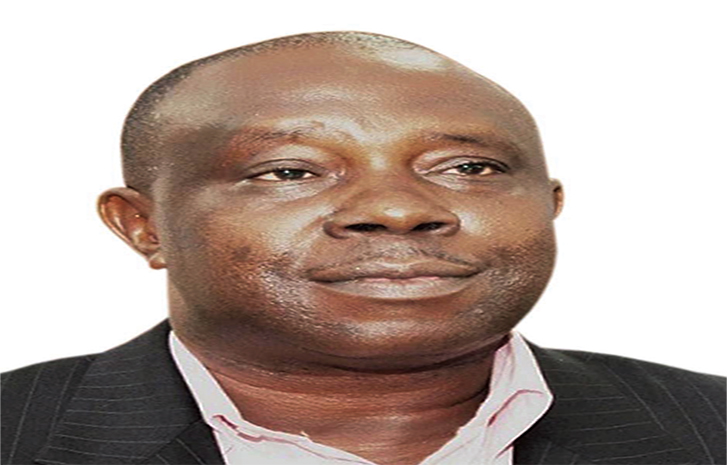


The Sole Administrator of Madam Efunroye Tinubu’s Estate, Chief Akindele Adamakin, has expressed concern over alleged extensive illegal occupation of the family’s historic lands in Lagos.
Adamakin, who expressed the concern during the 138th remembrance of the 19th-century Amazon and the End-of-Year celebration of Adamakin Investments and Works Limited at the Civic Centre, Lagos, blamed private individuals and government agencies for the trespass.
He explained that the estate encompasses areas from Lagos Island to Ibeju-Lekki and into the mainland, much of which was acquired through purchase and conquest before the era of colonial dominance.
He stated, “If you go to the mainland today, you see Tinubu Village and Tinubu Close. This is not a myth; it is a recorded legal fact since the colonial era.”
Citing Madam Tinubu’s 1853 banishment by colonial authorities to Ibobi (now Igbobi), he criticised government decisions as burdens that disregard court orders, calling on illegal occupants to respect the family amid Nigeria’s economic hardships.
He implored President Tinubu, whom he identified as a direct descendant of Madam Efunroye Tinubu, calling him unite the family.
“We are using this platform to reunify and unite all Tinubu family members. We want the President to know that Madam Tinubu’s line is very much alive and seeks unity,” declared the estate chairman.
The event also served to honour Madam Tinubu’s legacy as West Africa’s most influential woman of the 19th century, advocating for posthumous national honours for her contributions to commerce and her defence of Lagos and Abeokuta territories.
Chief Adamakin condemned the exclusion of indigenous history from school curricula, contrasting her with other celebrated figures, such as Mansa Musa.
“If she were recognised elsewhere, she would have been canonised. Her tomb in Abeokuta should become a global tourism destination.
He linked Nigeria’s current struggles, including rising terrorism and banditry, to “ideological poverty” caused by the devaluation of the Naira since the 1980s and educational neglect.
He urged the government to prioritise education as a means to address insecurity.