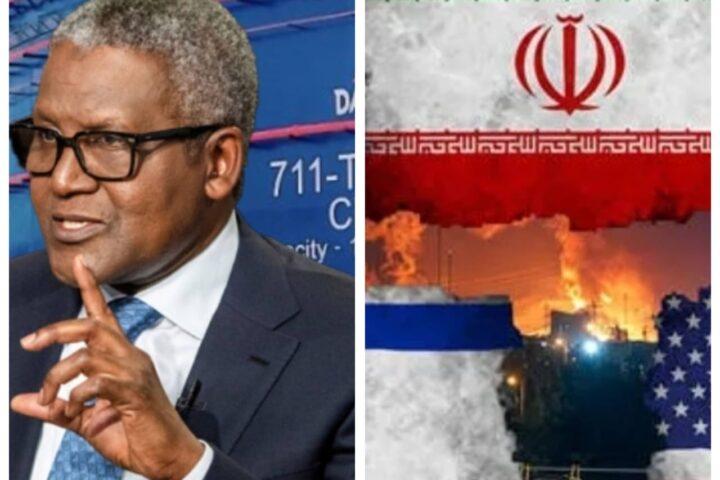



Geopolitical tensions in the Middle East are once again exposing a hard truth about global energy markets: supply disruptions, whether real or anticipated, travel fast and their consequences travel even faster. Shipping routes tighten, insurance premiums spike, and crude benchmarks react sharply to instability around strategic chokepoints like the Strait of Hormuz and the Red Sea.
For import-dependent economies, these are not distant developments. They are immediate economic shocks.
Nigeria, despite being Africa’s largest crude oil producer, remains acutely vulnerable. The country exports millions of barrels of crude oil daily, yet relies heavily on imported refined products to power its economy.
This contradiction raises a critical question for policymakers and industry leaders alike: how long can a resource-rich nation afford to outsource its energy security?
Every escalation in the Middle East effectively exports inflation into Nigeria. Petrol and diesel prices rise, transportation costs surge, and manufacturers absorb higher input costs that ultimately pass through to consumers. The broader macroeconomic effects as reflected in currency pressure, fiscal strain, and slower growth, are both predictable and persistent.
This is not merely an inefficiency. It is a structural risk.
Recent progress suggests Nigeria may finally be confronting this challenge. The Dangote Refinery, with a nameplate capacity of 650,000 barrels per day, signals a potential turning point in domestic refining. At full utilisation, it could meet local demand and position Nigeria as a net exporter of refined products within West Africa.
Yet a fundamental constraint remains: feedstock security.
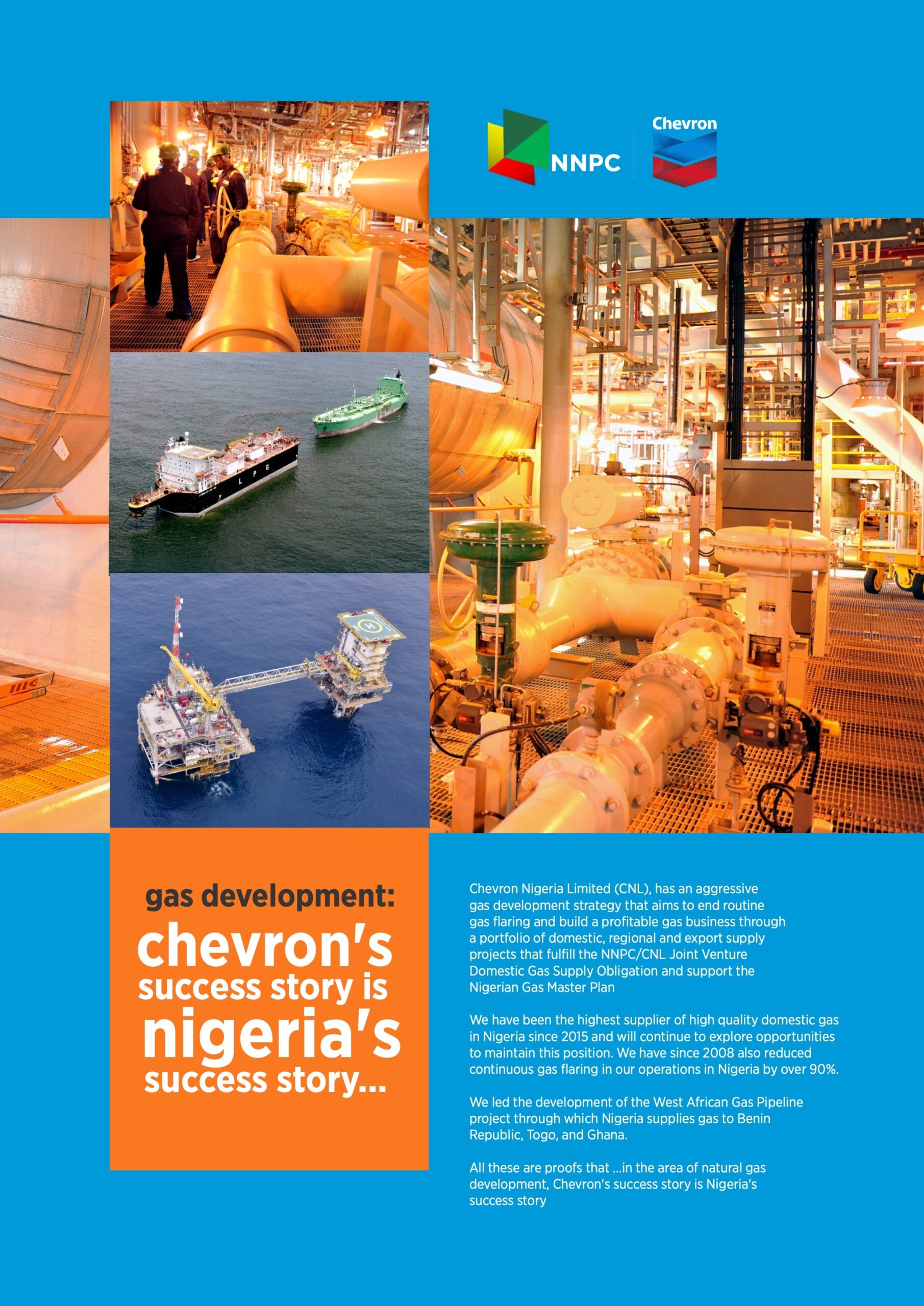
Under the current crude supply arrangement, the refinery reportedly receives significantly less crude from NNPC Limited than required for optimal operations—approximately five cargoes per month against a need for 13 to 15.
The shortfall forces reliance on international crude purchases at premium prices, with full exposure to foreign exchange volatility.
This raises a pressing policy dilemma: can domestic refining deliver true energy security without a reliable, transparent, and market-aligned crude allocation framework?
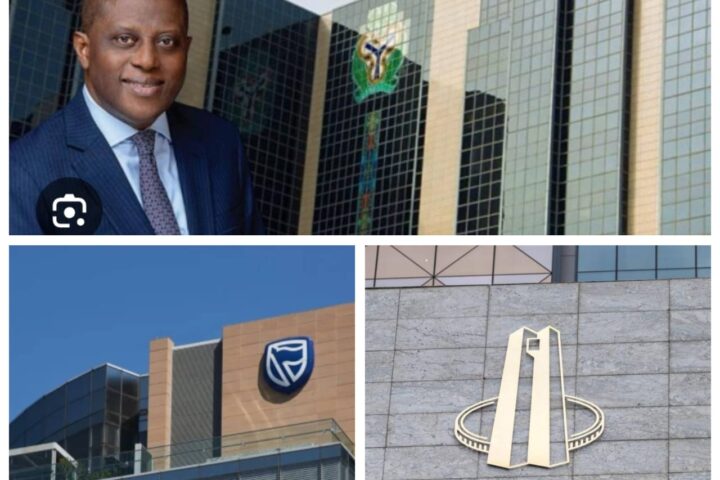
Encouragingly, there are signs of alignment at the highest levels. At CERAWeek 2026, Bashir Bayo Ojulari framed Nigeria’s energy proposition in clear commercial terms—capital flows where value is evident and execution is credible.
His emphasis on regulatory stability, infrastructure reliability, and disciplined delivery reflects a shift from aspiration to pragmatism.
The evolving partnership between NNPC Limited and the Dangote Group further reinforces this direction. With NNPC holding a 7.25% equity stake in the refinery and both parties exploring deeper collaboration across supply, trading, and logistics, the contours of an integrated energy value chain are beginning to emerge. As Aliko Dangote has consistently argued, scale and coordination are essential to reducing costs and stabilising supply.
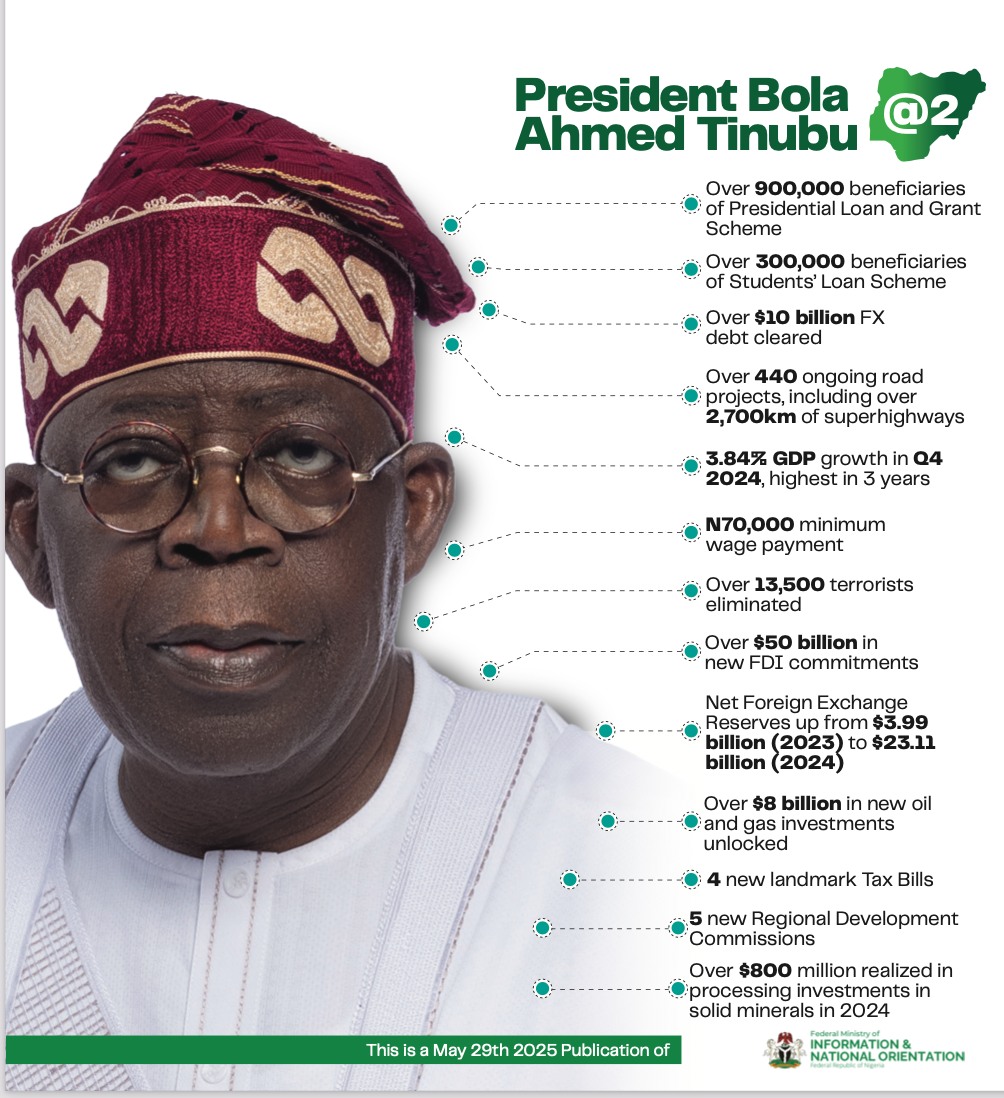
Policy backing from Bola Ahmed Tinubu adds momentum. Ongoing reforms aimed at improving market transparency and investor confidence are gradually reshaping the operating environment. But policy intent alone will not suffice.
Execution remains the defining test.Three structural priorities stand out.
First, crude allocation to domestic refiners must be predictable, transparent, and commercially viable. Without feedstock certainty, refining capacity cannot translate into supply security.
Second, infrastructure gaps—from pipelines to storage and distribution—must be addressed with urgency. Refining output is only as effective as the system that delivers it to market.
Third, regulatory consistency under the Petroleum Industry Act must be sustained to attract long-term capital into refining and petrochemicals.
Beyond Nigeria, the stakes are continental. Africa’s continued dependence on imported refined products exposes its economies to repeated external shocks and persistent value leakage. The opportunity is clear: link upstream production to downstream consumption through coordinated investments in refining and logistics.
The question is whether the continent can move fast enough.
In a world where geopolitical tensions can ripple instantly through domestic economies, resilience must be built—not assumed. Nigeria now has the assets, policy direction, and industrial scale to change its narrative.
But the window will not remain open indefinitely.The real test is no longer ambition. It is execution.
By Kunle Odusola-Stevenson, public relations expert and energy issues commentator based in Lagos Nigeria.