
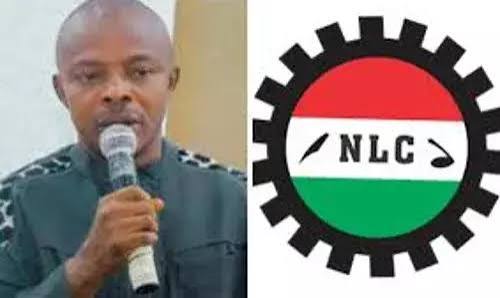

The Nigeria Labour Congress, NLC, has faulted the proposed N6 trillion bailout for power generation companies, GENCOs, and distribution companies in the country, saying that the government should not use public funds to subsidize failed private entities.
Nigeria’s energy resources must be managed for the benefit of the people, rather than for private enrichment, President of the NLC, Comrade Joe Ajaero conveyed this in a statement, and lamented the continued paralysis of the nation’s power sector.
He demanded a radical overhaul of the sector and suggested the merger of the Federal Ministry of Petroleum and the Federal Ministry of Power into a single Ministry of Energy to solve the structural failures affecting electricity generation and distribution in Nigeria.
He regretted that Nigeria’s power sector has become a perpetual millstone around the necks of Nigerian workers, manufacturers, and the masses.
He said while the ruling class and their crony-capitalist allies in the DISCOs and GENCOs continue to feast on the commonwealth through phantom subsidy claims and outrageous tariff hikes, Nigerians are left to pay for darkness.
According to him, the recent alarm raised by the NLC over the proposed ₦6 trillion bailout for power generation companies is merely a symptom of a deeper structural rot.
Nigeria, he said cannot continue to apply balm to a system that is fundamentally fractured.
He added:”Therefore, we are proposing a radical structural intervention: the immediate merger of the Federal Ministry of Petroleum and the Federal Ministry of Power to create a single, unified Ministry of Energy.
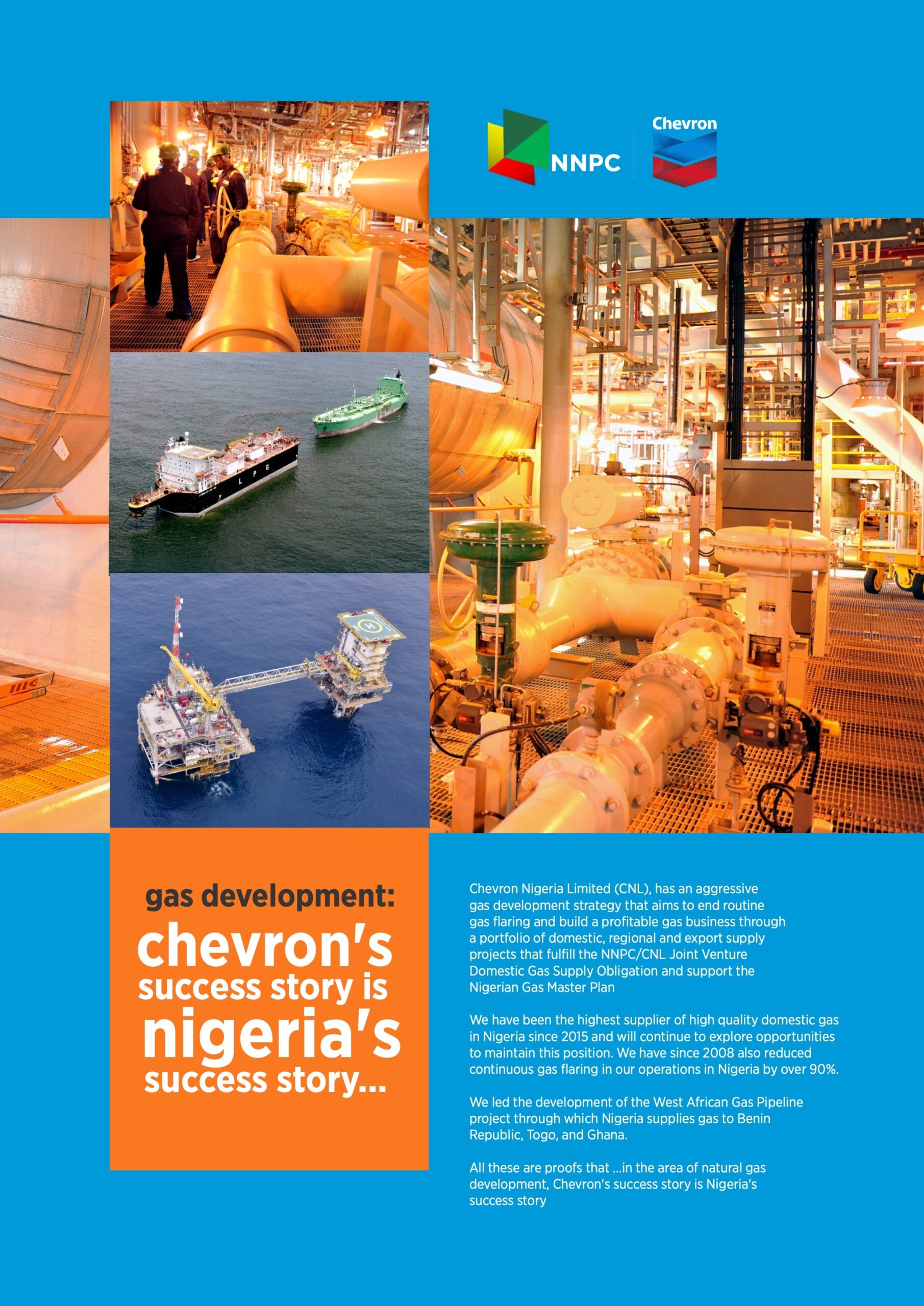
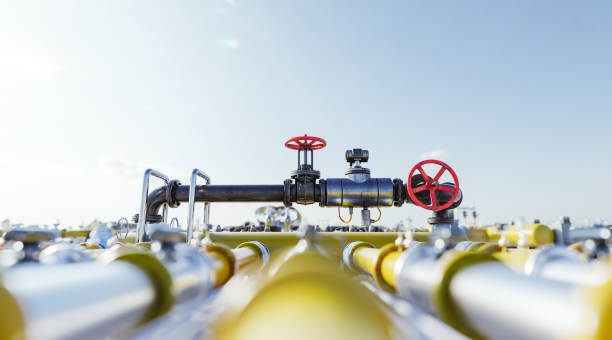
“For too long, these two critical ministries have operated in silos, serving the interests of separate fractions of the bourgeoisie while the productive base of our economy collapses. The nation’s thermal power generation, which accounts for the bulk of our grid capacity, is held hostage by gas supply gaps. This gas is controlled by an industry; the Petroleum sector; that operates like a rent-seeking enclave with no accountability to the people’s need for electricity.
“It is unfortunate that the government through the “petroleum industry” treats gas as a commodity for export to fetch foreign exchange for the elite, while the “power sector” begs for feedstock to keep the lights on. This functional dependency is a design flaw that serves the primitive accumulation of capital.
“The Petroleum Ministry prioritizes the profits of International Oil Companies (IOCs) and local moguls, while the Power Ministry is left to explain to Nigerians why the grid collapses because the gas pipelines are empty or vandalized by those who profit from the importation of diesel and generators.
“The NLC demands the creation of a unified Ministry of Energy to break these compartmentalized fiefdoms. This is not a mere administrative tinkering; it is a political demand to assert national sovereignty over our energy resources.”
He explained that under a single ministry, there would be one minister accountable to the Nigerian people, not a collection of officials playing the blame game.
He stated that when the power plants are down due to lack of gas, the same ministry responsible for petroleum extraction would be directly implicated.
He stated that this would end the era where the Power Minister blames the Petroleum Minister, and the Petroleum Minister blames market forces and global volatility.
“This merger is a pathway to rationalize the sector based on public interest, not private profit, he said, adding that it will facilitate a holistic view of our energy assets, ensuring that gas, a national heritage, is first and foremost used to generate domestic power to industrialize the nation and create jobs, rather than being flared or exported while Nigerians suffer in darkness.
This will enhance a national energy planning which is key to national development, he said, stressing that
It will also allow Nigeria price electricity fairly by ending the cost-reflective model.
He also said a unified Ministry would prioritize service-reflective tariffs as service delivery becomes the Ministry’s main driver in a way that it ensure that workers and Nigerians pay fair rates for actual service, not costs imposed by inefficiencies and greed.
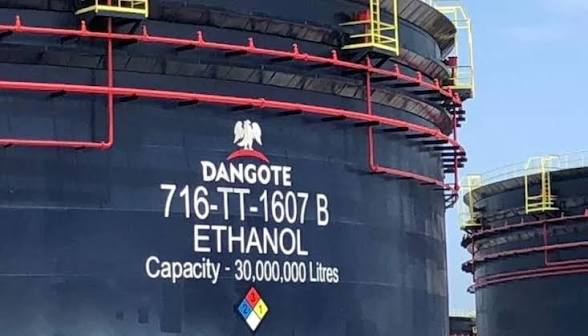
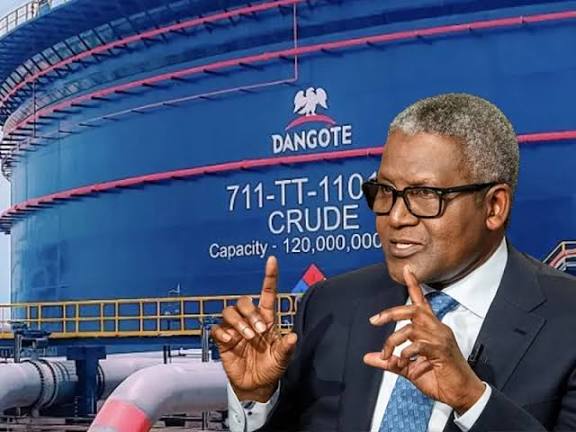
He added:“We have seen how monopoly capital, as witnessed in the Dangote-NUPENG face-off, seeks to control both downstream petroleum and the narrative around energy pricing. A unified Energy Ministry must act as a bulwark against this, ensuring that the energy sector serves the goal of national development, not the enrichment of a few oligarchs.
“The NLC reiterates its stance that electricity is a social service and a fundamental right, not a luxury commodity to be traded on the various capitalists’ markets.The failed privatization experiment of 2013 has proven that the private sector cannot, and will not, solve Nigeria’s power crisis. Their business model is built on extracting maximum tariffs while providing minimum service.
“By merging the ministries, we take the first step toward de-commodifying energy. We move towards a system where the State, through a coordinated Ministry of Energy, can mobilize public finance for investment in generation, transmission, and distribution, just as it is done in nations that have lifted their citizens out of poverty.
“The Nigeria Labour Congress, therefore, calls on the Federal Government to: initiate the process of merging the Ministry of Petroleum and the Ministry of Power into a single Ministry of Energy; once again, halt the proposed ₦6 trillion bailout to the GENCOs.
“Our commonwealth cannot be used to settle a cartel of failed investors; convene a genuine National Stakeholders’ Summit to draft a People’s Power Roadmap that prioritizes public ownership, energy security, and the welfare of Nigerian workers and masses.
“The working class and the people of Nigeria cannot continue to be hostages to the artificial scarcity created by the decapitation of our national resources. We demand that the government treat our energy as a unified whole, managed for the benefit of the many, not the greed of the few.