


African Energy Bank (AEB), a flagship institution created to mobilize capital for the continent’s energy priorities, will begin operations by June of this year.
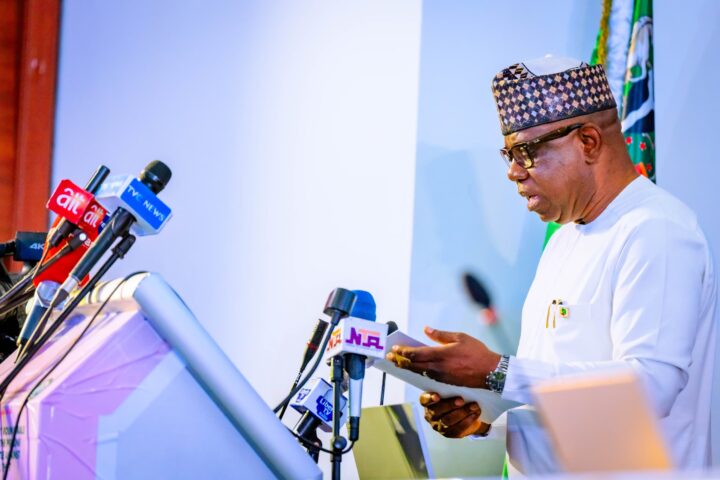
The President of the African Petroleum Producers’ Organization (APPO) and Côte d’Ivoire’s Minister of Mines, Petroleum and Energy, Mamadou Colibaly, announced this on Monday in Abuja at the handover of the bank’s headquarters.
The brief function was held on the sidelines of the ongoing Nigeria International Energy Summit in Abuja.
“We are committed to launching this Bank no later than June. I sincerely thank our partners for providing the headquarters and office that make this take-off possible. The African Energy Bank represents Africa’s commitment to finance, develop, and secure its own energy future by Africans, for Africans,” Mamadou Colibaly said.
Headquartered in Abuja, the African Energy Bank is a joint initiative of APPO member states and the African Export-Import Bank (Afreximbank).
Its core mandate is to mobilize domestic and regional capital for energy infrastructure, reduce Africa’s reliance on external financing, and align energy investments with the continent’s long-term development and industrialization goals.
Performing the hand-over, Nigeria’s Minister of State for Petroleum Resources (Oil), Senator Heineken Lokpobiri said that “Nigeria has met every obligation as host. The headquarters is ready, strategically located, and fully equipped and we are prepared for immediate take-off.”
The ceremony underscored a unified African resolve to take greater ownership of the continent’s abundant natural resources. By offering targeted financial instruments, the Bank will support projects across the energy value chain, including exploration, refining, renewable energy integration, and local content development, ensuring that Africa’s resources translate into tangible economic value and job creation.
Speakers at the event emphasized that the African Energy Bank is not merely a financial institution, but a cornerstone of Africa’s broader quest for economic independence and lasting energy security.
The handover, they noted, signals the beginning of a new era in which Africans are determined to finance, produce, and sustain their own energy future.