

The House of Representatives has blamed electricity distribution companies (DisCos) for the persistent poor power supply and rising energy theft in the country.
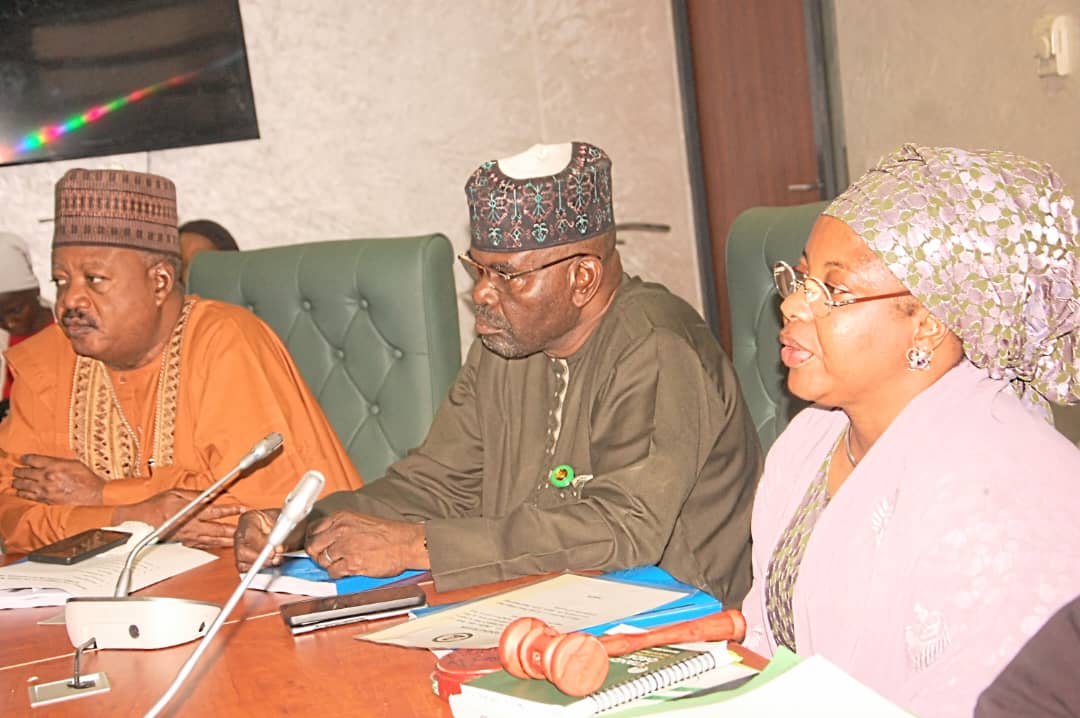
Chairman Ad hoc Committee investigating Nigeria’s power sector reforms and expenditure between 2007 and 2024, Arch. Ibrahim Almustapha Aliyu, said this at committee’s hearing on Wednesday.
He accused the DisCos of crushing the country’s electricity supply chain through chronic underinvestment, refusal to expand their distribution networks, and a general failure to fulfil the promises they made during the privatization of the power sector more than a decade ago.
He punctured the distribution for presenting fantastic business plans when acquiring the assets, only to abandon the requisite investments in substations, transformers, and distribution infrastructure after taking over the assets.
According to him, the development has left a huge gap in the sector.
While the Transmission Company of Nigeria (TCN) declares a wheeling capacity of 8,000 megawatts, he said DisCos fail to take more than 4,000 megawatts due to inadequate infrastructure.
He added:”The distribution companies “have refused to invest, refused to expand their networks, and rejected franchising opportunities,” thereby enabling widespread energy theft, meter bypassing, and growing consumer frustration.
“You created this problem because you failed to improve what you met,” he told representatives of the DisCos. “For 13 to 14 years, if you had invested in substations, functional transformers, and proper network upgrades, we wouldn’t be here today. You would be taking more power, the average cost to consumers would be cheaper, and Nigerians would be satisfied.”
He also lamented that the failure of the DisCos to provide reliable electricity has pushed many consumers toward illegal connections, particularly after months of paying for electricity they either do not receive or receive in extremely poor quality.
He asked:“How do you expect someone whose monthly bill equals his salary to keep paying?” he asked. “Naturally, people will seek alternatives. Your lack of investment has fuelled the rise of bypassing and illegal consumption.”
Many Nigerians, he said, enjoyed more stable electricity under the former NEPA/NITEL era and had expected significant improvements once private operators took over the sector.
He challenged the power distribution companies to explain why companies that once boasted of financial capacity and technical competence are now struggling to meet tariff obligations, expand networks, or deliver improved service.
Kaduna Electric’s Chief Regulatory and Compliance Officer, Dr. Mahmood Abubakar, who appeared before the committee identified government’s subsidy policy as a major factor distorting the financial viability of the sector.
He said that about 60 percent of electricity consumed nationwide is subsidised, which caused erosion of investor confidence and restricted DisCos’ ability to fund critical infrastructure upgrades.
According to him, only about 40 percent of electricity, mostly consumed by Band A customers, is paid for at cost-reflective rates, yet even Band A feeders record up to 80 percent energy losses due to theft, bypassing, and poor metering.
He explained that because the DisCos cannot recover enough revenue, they remain unable to access loans or attract investments required to upgrade their networks.
He highlighted how delayed subsidy payments cascade through the entire electricity value chain, leaving generation companies unable to pay for gas, which then affects power production.
He added:“The subsidy does not come when it should; government pays whenever it chooses,” he said. “This affects everyone. We cannot meet our market obligations, the Gencos cannot meet their contractual commitments to gas suppliers, and the entire system becomes fragile.”