

Nigeria has over 200 oil
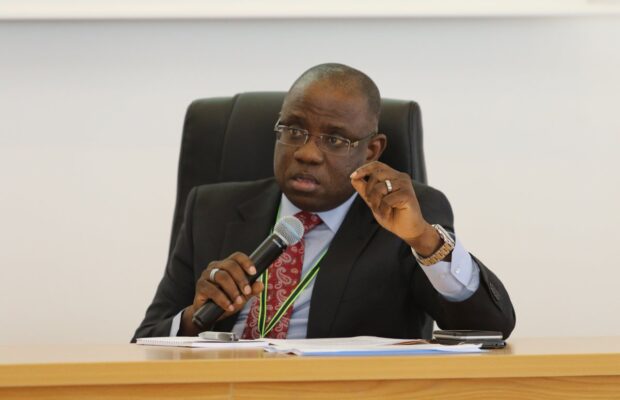
fields that are currently undeveloped, Group Chief Executive Officer of Nigerian National Petroleum Company Limited, Engr. Bayo Ojulari,has said.
The country’s crude oil assets, he also said, have huge untapped reservoirs for investors to tap into towards boosting
production from the current 1.7million barrels per day.
He implored international investors to direct their attention to Nigeria and tap into the huge opportunities in the nation’s energy sector.
He disclosed this while fielding questions from NBC’s Hala Gorani during the Energy
Talk segment of the Gastech Exhibition & Conference, currently taking
place in Milan, Italy.
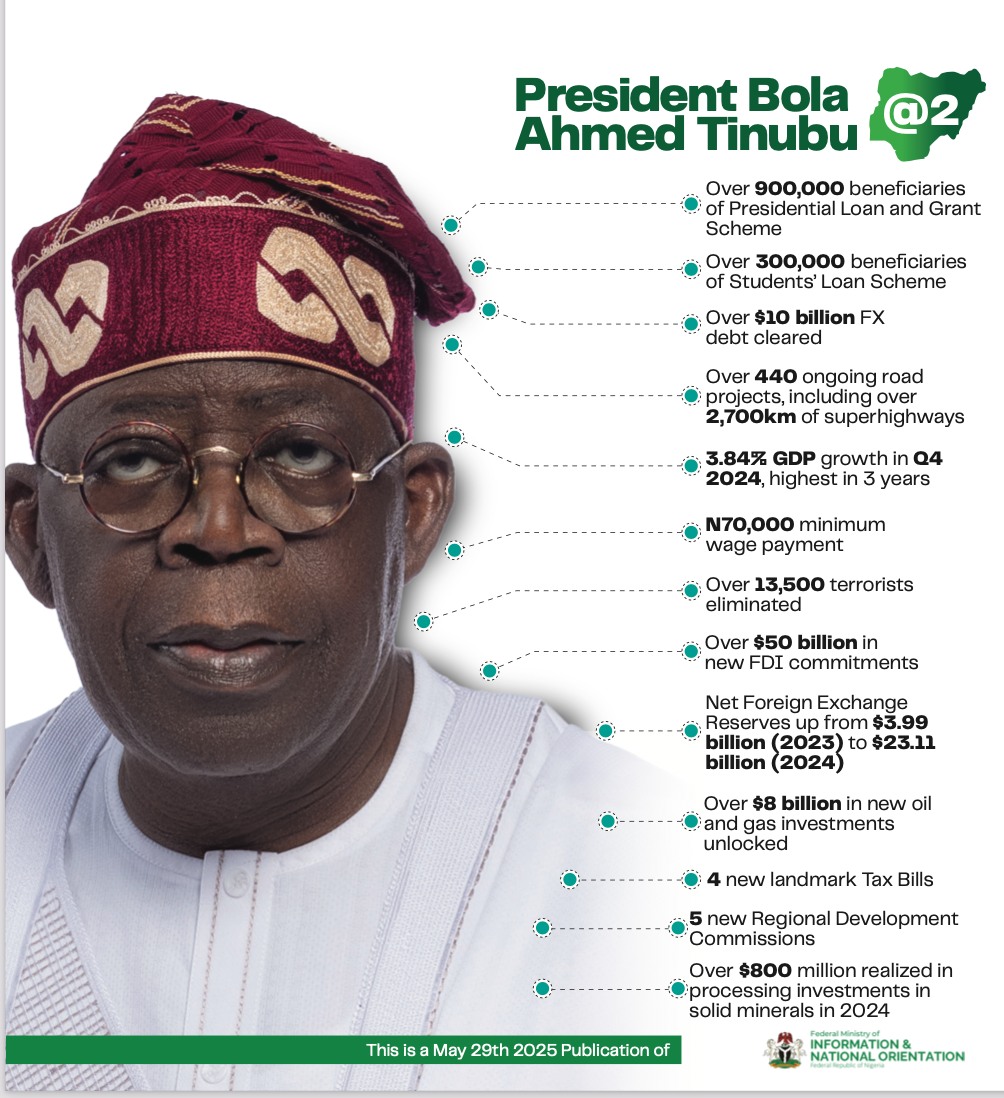
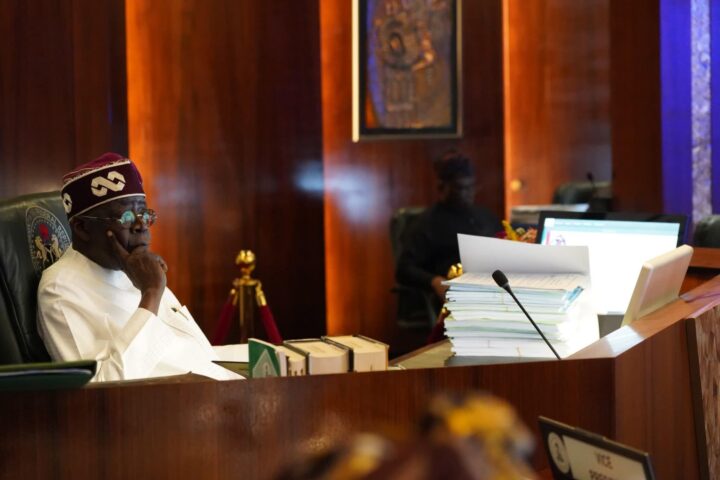
Commending President Bola Ahmed Tinubu for improving
Nigeria’s investment climate and positioning the country as the preferred investment destination for the energy sector in Africa, Ojulari said that the new NNPC Ltd Management is keen on attaining its set targets towards delivering value to its shareholders.
While a number of investors were already coming into
the country with gas-based industries such as petrochemicals and
methanol plants, he said more investments were required to build infrastructure to support the Federal Government’s aspiration to power the nation’s transportation sector with Compressed Natural Gas (CNG).
Speaking on measures being taken to make Nigeria an investors’ haven, he
said NNPC Ltd was investing heavily in carbon capture projects as well as
technology to enhance energy efficiency and reduce gas flaring in
compliance with the objectives of financing partners.
He said that a number of critical gas infrastructure projects in the country,
such as the Ajaokuta-Kaduna-Kano (AKK) Gas pipeline, are in their advanced stages, while the NLNG Train 7 Project is also being progressed.
He noted that Nigeria’s energy transition strategy is focused on eradicating energy poverty which requires enormous investments in gasas the fuel of choice for industrialization as well as Liquefied Petroleum Gas (LPG) as domestic cooking gas for the over six million Africans who lack access to clean energy.