


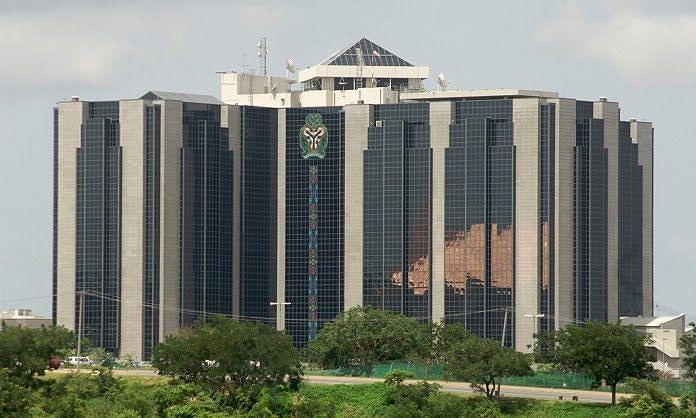


Nigeria’s external reserves stood at $55.25 billion as of September 18, 2026, the Monetary Policy Committee of the Central Bank of Nigeria has said.
The Committee said the level is the highest in 18 years and sufficient to finance about 11.3 months of imports of goods and services.
This was disclosed decision at the 307th meeting of the Monetary Policy Committee (MPC), held on September 21 and 22, 2026.
The MPC noted that Nigeria’s balance of payments surplus rose to $3.51 billion in the second quarter of 2026, from $2.38 billion in the first quarter, while the current account surplus increased by 67.92 per cent to $7.54 billion from $4.49 billion during the same period.
The Committee said headline inflation eased for the third consecutive month, with the year-on-year rate declining marginally to 15.39 per cent in August from 15.43 per cent in July.
Food inflation also fell to 19.57 per cent from 20.31 per cent, while core inflation declined to 13.29 per cent from 14.97 per cent. The 12-month moving average of headline inflation dropped to 16.30 per cent in August from 16.89 per cent in July, marking the 20th consecutive month of moderation.
The Committee also pointed to stronger economic growth, noting that real Gross Domestic Product expanded by 4.43 per cent in the second quarter of 2026, up from 3.89 per cent in the first quarter.
The non-oil sector grew by 4.31 per cent, while the oil sector accelerated by 7.31 per cent, compared with 2.57 per cent in the preceding quarter.
The composite Purchasing Managers’ Index also rose to 52.7 points in August from 51.1 points in July, indicating continued expansion in business activity.
The MPC acknowledged continuing external risks, including the economic effects of the Middle East conflict, elevated global energy and commodity prices, persistent supply-chain disruptions and trade-policy uncertainty.
It projected that domestic output would remain resilient for the rest of the year, supported by improved crude oil production, expansion in agriculture and other business activities.
The Committee also expects inflation to moderate further in the short to medium term, supported by foreign exchange stability, the lagged effects of previous monetary tightening and improved food supply as the harvest season progresses.
It nevertheless identified prolonged geopolitical tensions in the Middle East and election-related spending as potential upside risks to price development.