


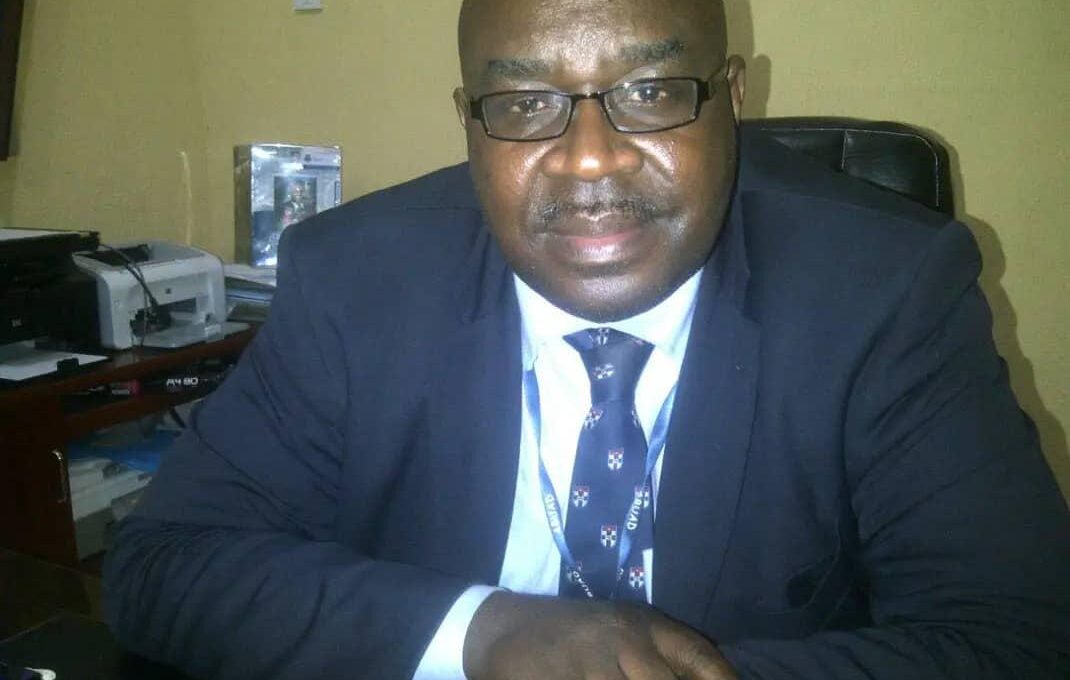


By Prof Abiodun Ojo
The visit of a high-powered Federal Government delegation to the affected communities in Ogbomoso, Oyo State, shows that the abduction of pupils and teachers has reached the highest level of national concern.
The presence of the President’s Chief of Staff, the National Security Adviser, the Chief of Defence Staff, the Inspector-General of Police, and other top officials sent an important message to grieving families and frightened communities.
It suggested that the government understands the weight of the tragedy. But after the sirens, speeches, handshakes, and assurances, one painful truth remains unchanged: our children are still in the forest.
Reports from Oyo, Ekiti, and Kwara States indicate that dozens of schoolchildren and teachers are still in the hands of kidnappers. These are not just figures in news headlines.
Each abducted child has a name, a family, a classroom, a dream, and a mother or father who has not slept peacefully since the day the child was taken. Each teacher in captivity represents a profession already under pressure and a nation struggling to protect those who serve it.
The approval of 1,000 forest guards for Oyo State and the possible establishment of a military base in the affected area are welcome steps. Still, they also force Nigerians to ask hard questions.
If our forests have become hiding places for criminal gangs, why did it take repeated kidnappings before stronger action was considered? Why do communities often have to bleed first before preventive security measures arrive?
One troubling pattern has become too familiar. Nigerians are often told that victims have been rescued, but the country hears far less about the kidnappers themselves. How many were arrested? How many were prosecuted? How many informants, suppliers, financiers, and collaborators were exposed? A rescue is good news, but justice must not end at rescue.
Of course, security operations are delicate. Intelligence gathering, negotiations, surveillance, and tactical rescue missions cannot always be discussed in public while victims are still in danger.
No responsible person should demand disclosure that could put lives at risk. But after operations are concluded, citizens deserve reasonable updates on arrests, prosecutions, and the dismantling of criminal networks.
Many Nigerians are also asking questions about the role of the military and other security agencies. Nigeria has trained soldiers, special forces, intelligence officers, air surveillance capacity, and specialized rescue teams.
If these capabilities exist, why do criminal groups still appear able to move through forests, attack communities, abduct citizens, and disappear for weeks?
The question is not asked to embarrass anyone; it is asked because frightened citizens need reassurance that the state is stronger than the criminals terrorizing them.
The truth is that kidnapping has become an organized criminal economy. Kidnappers do not survive only because they understand the forests. They survive because someone feeds them, someone supplies them, someone gives information, someone moves money, and someone looks away.
Any serious strategy must therefore go beyond chasing gunmen in the bush. It must identify and break the networks that make kidnapping profitable.
Communities also have a role to play.Traditional rulers, local leaders, vigilante groups, religious bodies, transport workers, farmers, and residents must cooperate with security agencies.
Suspicious movements must be reported early. Strangers who suddenly appear in rural areas must not be ignored. Silence, fear, and division only give criminals more room to operate.
This crisis is no longer only a security problem. It is now an attack on education, agriculture, local commerce, transportation, investment, and social stability.
Parents are afraid to send children to school. Farmers are afraid to go to their farms. Teachers are afraid to serve in vulnerable communities. Rural families are living with a kind of daily fear that no citizen should be forced to accept.
Government at all levels must move from emergency reaction to permanent protection. Nigeria needs stronger intelligence coordination, better forest surveillance, drones where necessary, rapid-response units, functional community policing, prosecution of collaborators, and long-term support for victims and their families. Security must not arrive only after tragedy. It must be visible, trusted, and preventive.
Most importantly, Nigerians need results they can see. They need rescued victims, arrested kidnappers, prosecuted collaborators, dismantled networks, and safer communities. Press statements may calm the moment, but only justice and prevention can rebuild trust.
As the nation prays for the safe return of every child and teacher still in captivity, it must also demand a future where no family wakes up to the nightmare of kidnapping.
Our children belong in classrooms, not in forests. Our teachers belong in schools, not in captivity. Our nation must never become comfortable with a tragedy that should shake its conscience.
Prof. Abiodun Ojo is the Provost of the Afe Babalola College of Postgraduate Studies.