




By Moses Daniel
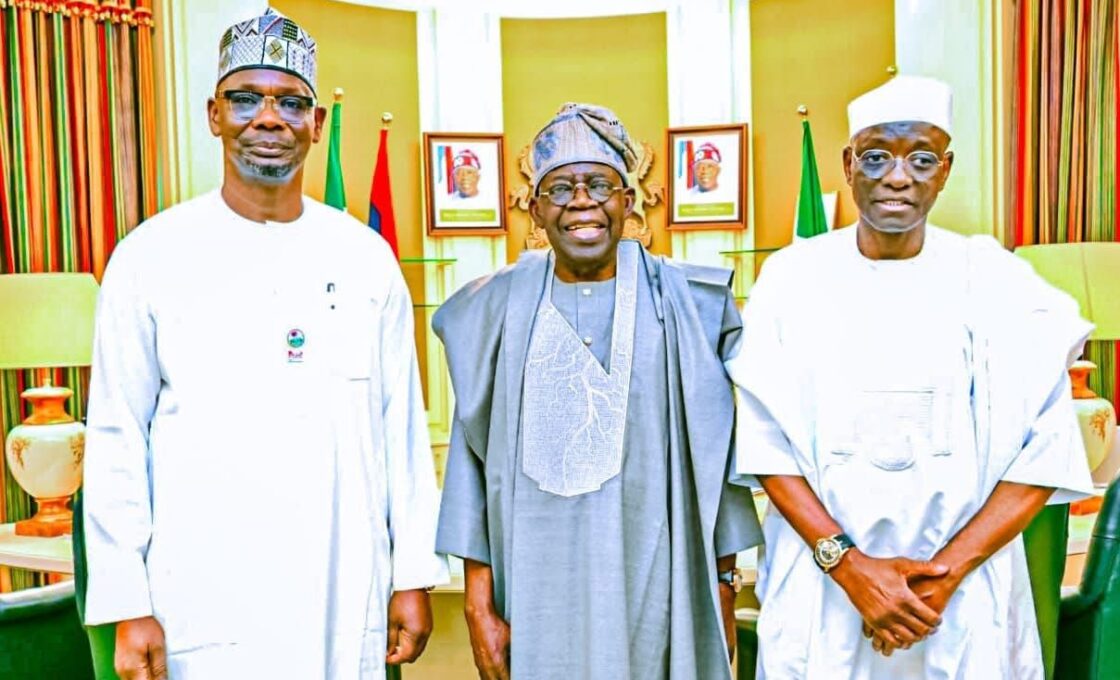
The recent visit of Ahmed Aliyu Wadada to Bola Tinubu, alongside Abdullahi Sule, should be properly understood for what it is: a simple introductory meeting within the broader context of political consultation. It is well within the prerogative of a sitting governor to present his preferred aspirant to the President, especially in a political environment where alignment and access matter.
However, such a move does not, in any way, translate into an endorsement, let alone confer the status of a consensus candidate. To suggest otherwise is to stretch routine political courtesy into something it clearly is not.
Consensus, by its very nature, cannot be declared unilaterally or implied through proximity to power. It is the product of deliberate, inclusive, and often painstaking consultations among all critical stakeholders, including co-aspirants, party leaders, and grassroots actors. It requires negotiation, compromise, and, most importantly, voluntary agreement.
Until such a process is transparently undertaken and all parties willingly align, any claim of consensus remains not only premature but also potentially misleading to party members and the public.
It is also important to note that visits by aspirants to the President are neither new nor unusual in Nigeria’s political landscape. In recent times, figures such as Teslim Folarin and Sharafadeen Alli in Oyo State have had similar engagements with the President.
These interactions are part of routine political consultations, aimed at visibility, relationship-building, and strategic positioning. They are not, and should not be misrepresented as, endorsements or indications of presidential preference.
For clarity, when a true consensus arrangement is reached, it is usually unmistakable. It reflects a clear and collective decision, openly demonstrated by the convergence of key stakeholders.
A fitting example is the process that produced Olamilekan Adeola in Ogun State, where serving and former governors, party leaders, and even co-aspirants were visibly present and publicly aligned. That level of transparency, inclusiveness, and unanimity is what defines a genuine consensus, not selective appearances or controlled narratives.
Indeed, unconfirmed reports suggest that during the meeting, the President raised a critical question regarding whether the aspirant had been broadly adopted by stakeholders across Nasarawa State.
The reported response was in the negative. If accurate, this detail further reinforces the central point: consensus cannot be assumed, projected, or manufactured through selective optics. It must be earned through broad-based acceptance.
Ultimately, attempts to frame routine political engagements as endorsements risk undermining internal party democracy. They create false impressions, distort the political process, and may alienate other legitimate aspirants.
A healthy democratic process requires openness, fairness, and respect for due procedure, not the elevation of optics over substance.
Moses Daniel writes from Abuja.