


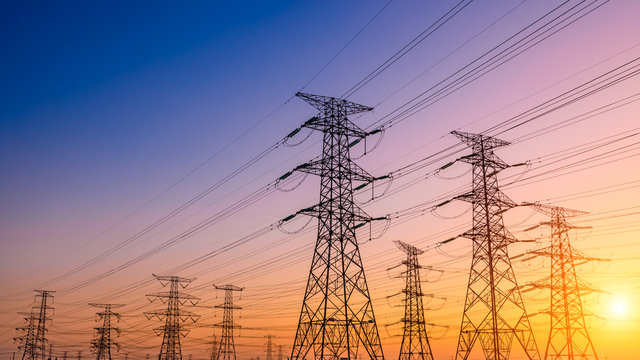


Electricity generation on national grid dropped on Thursday due to persistent gas supply shortages affecting several thermal power plants in Nigeria.
Confirming this in a statement, the Nigerian Independent System Operator (NISO) said total power generation stood at 3,940.53 megawatts (MW) as at 05:00 hours on March 5, 2026, already below expected capacity due to ongoing gas supply limitations to a number of generating stations.
The situation worsened between 06:00 and 08:00 hours when several generating units were forced to shut down as a result of inadequate gas supply to thermal plants, the system operator said.
It also said the shutdown led to a cumulative loss of about 292MW in available electricity generation on the national grid during the period.
According to the operator, operational data as of March 4, 2026 showed that thermal power plants require approximately 1,588.61 million standard cubic feet (MMSCF) of gas per day to run at optimal capacity.
But the actual volume of gas supplied to the plants was only 652.92 MMSCF, representing about 40 per cent of the daily gas requirement needed for full generation capacity.
NISO disclosed that the shortfall in gas supply significantly reduced the electricity available for dispatch to the national grid, thereby contributing to the current generation inadequacy being experienced across the power system.
It noted that it is working closely with affected generation companies and gas suppliers to address the challenge and restore normal electricity production.
“NISO is actively working with the affected Generation Companies and relevant gas suppliers to closely monitor the situation and facilitate the restoration of generation as soon as gas supply to the affected plants stabilizes,” the statement added.
The operator also assured that it continues to take necessary operational measures to ensure stability of the national grid while managing the impact of the reduced generation on electricity supply.
It reiterated its commitment to keeping stakeholders and the public informed about developments affecting electricity generation and the operation of the national grid.