




Mohammed Shosanya
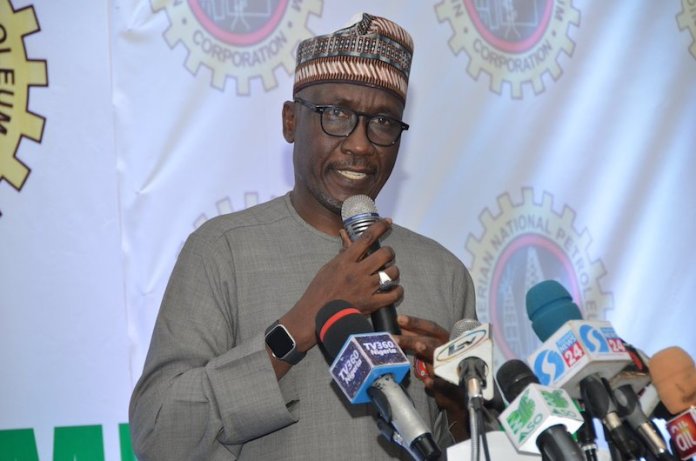
Group Chief Executive Officer of the Nigerian National Petroleum Corporation (NNPC),Mele Kyari, has reiterated the role Nigeria’s gas resources will play in ending energy poverty across the West African country.
Kyari,who was represented by Engr. Yemi Adetunji, Executive VP Downstream for NNPC Limited,spoke at the opening ceremony of the 2023 edition of the African Refiners & Distribution Association (ARDA) conference in Cape Town,South,said Nigeria is a gas nation.
He emphasized the need to ensure a more gradual approach to the energy transition,stressing that Nigeria will require gas to transition fairly.
Africa,he said,should focus on resources which are accessible and affordable while enhancing operational efficiency and giving players competitive edge.
He added:The NNPC is committed to the country’s energy sector strategy which includes the optimal development of all resources. The gas sector creates investment opportunities for the country to be able to invest in new energies including electric vehicles and solar.
“A just transition for Africa will require huge investments, hence Nigeria and Africa will need global partners to harness existing resources. We will continue to assess cleaner energy for the benefit of Nigeria while we will build new refineries and distribution networks to ensure energy reliability today and tomorrow.”
Speaking,Wale Ajibade, Executive Director, Sahara Group,said that with 43% of Africa’s total population living without access to electricity, rural to urban migration increasing and energy demand spiking, investments in energy will need to double to $195 billion per annum if the continent is to achieve its energy security targets.
He said, “There has been a push towards renewables, however, coal remains a significant resource and natural gas increasing its share and role in securing Africa’s energy mix. Oil will continue to be an important source of energy but needs to be cleaner to meet global standards.
“We must ensure the sustainable development of our hydrocarbon resources while reducing methane emissions and flaring to achieve energy security and sustainability at the same time. The increase in the use of CCUS technology present an opportunity for the industry to be fully exploited for reliability, environmental sustainability and Africa’s GDP expansion.”
In an opening statement, Marième Ndoye Decraene, ARDA President, emphasized the role improved collaboration between African downstream players and ARDA members plays in facilitating the full exploitation of Africa’s hydrocarbon resources to achieve a just and inclusive energy transition.
According to Decraene, with energy demand set to grow across the continent by 45% through 2050.
“Our objective is to ensure Africa’s growing demand is met with cleaner fossil fuels. We must combine our efforts to develop a strong and effective platform to ensure the energy mix and environment are prioritized. We need to create a strong regulatory framework, ensure the transfer of technology, innovation and skills to maximize the downstream industry.
“Financing remains a problem and we need to make sure there is available funding and that projects are bankable while accelerating renewables penetration. Our aim is to make use of platforms such as ARDA Week to strengthen our current energy capabilities and come up with solutions on how Africa can address global factors hindering the industry.”
In his remarks, Anibor Kragha, ARDA Executive Secretary, spoke about the role Africa’s downstream players can play to ensure the continent balances achieving energy security and environmental sustainability.
He added:“Energy security is the short term need we have. We are not the biggest polluter in the world, hence we are focusing on uninterrupted, secure and affordable supply of energy and not what other global parties and markets are focusing on which is decarbonisation. Storage and distribution needs should be a focus, however reducing emissions from the fuels industry should also be prioritized. By 2030 we need cleaner transport, clean cooking and power solutions.”